
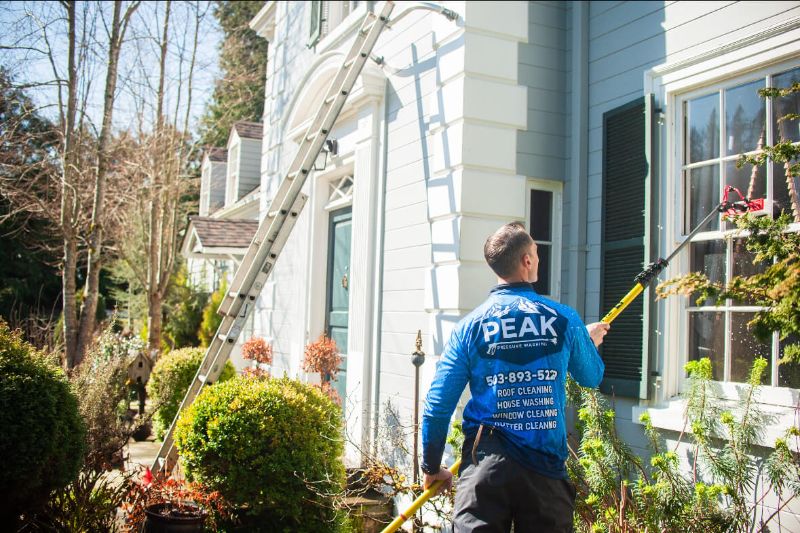
Maintaining the aesthetic and structural integrity of your outdoor spaces is essential, especially in Portland, where the weather can be unpredictable. Pavers are a popular choice for driveways, patios, and walkways due to their durability and visual appeal. However, over time, these surfaces can deteriorate if not properly cared for. This article covers the signs that indicate your pavers require sealing and sanding, along with actionable insights on how to maintain them effectively.
Understanding Paver Sealing and Sanding
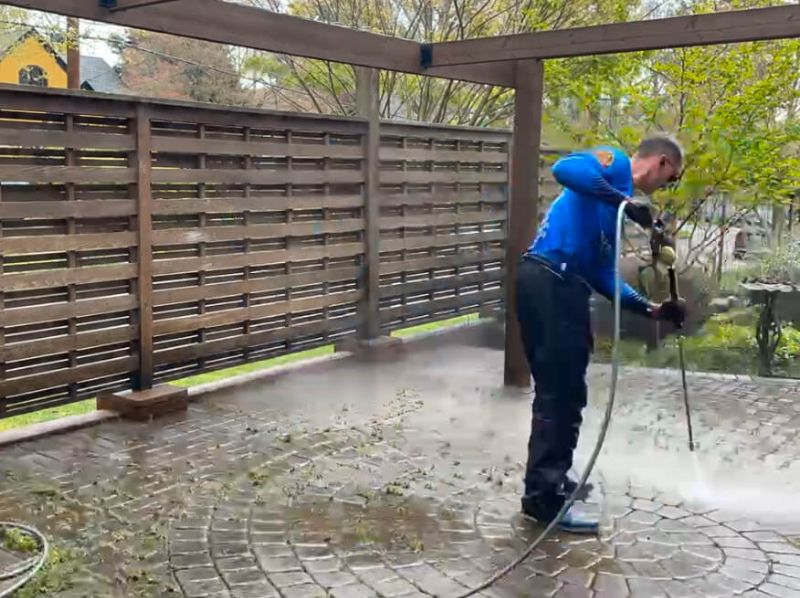
Paver sealing and sanding are two critical processes that help extend the life of your outdoor surfaces. Sealing involves applying a protective layer over the pavers to prevent moisture infiltration, staining, and fading. On the other hand, sanding fills the joints between pavers, which can help prevent weed growth and shifting.
Importance of Paver Maintenance
Regular maintenance of pavers not only enhances their appearance but also protects your investment. Neglect can lead to serious issues, such as cracking, shifting, and mold growth, which can be costly to repair. In Portland, where rainfall can be substantial, timely maintenance becomes even more critical to prevent water damage.
Common Misconceptions about Paver Care
Many homeowners believe that once pavers are installed, they require little to no maintenance. This is a misconception that can lead to significant issues over time. Regular sealing and sanding are essential for preserving the structural integrity and appearance of pavers. Additionally, some may think that sealing is only necessary for new pavers; however, even older pavers benefit from sealing to restore their original luster and protect against the elements.
Signs Your Pavers Need Sealing
Recognizing the signs that your pavers need sealing is essential for maintaining their condition. Here are several indicators to watch for:
1. Faded Color
Over time, exposure to sunlight and harsh weather can cause pavers to lose their vibrant color. If you notice that your pavers appear dull or faded, it may be time for sealing. A quality sealant can restore their original hue and provide UV protection.
2. Stains and Discoloration
If you observe stains from oil, food, or other substances, sealing can help prevent these stains from penetrating the surface. Sealants create a barrier that makes it easier to clean and maintain your pavers.
3. Weeds and Moss Growth
The presence of weeds or moss in the joints of your pavers indicates that the sand is washing away, allowing for plant growth. Sealing your pavers can help prevent this issue by stabilizing the joint sand and making it more difficult for weeds to take root.
4. Efflorescence
Efflorescence is a white, powdery substance that can appear on the surface of pavers due to moisture evaporation. If you notice efflorescence, it is a sign that moisture is penetrating the pavers. Sealing can help mitigate this problem.
5. Cracks or Shifting Pavers
Visible cracks or shifting in your pavers can signal that they are not adequately sealed. Moisture infiltration can lead to freeze-thaw cycles that cause cracks, making sealing essential for long-term durability.
Signs Your Pavers Need Sanding
In addition to sealing, sanding is another vital aspect of paver maintenance. Here are signs that your pavers may require sanding:
1. Gaps Between Pavers
If you can see gaps between your pavers, it indicates that the joint sand has washed away. Filling these gaps with sand not only improves the appearance but also helps stabilize the pavers and prevent shifting.
2. Unstable Pavers
If you notice that some pavers feel loose or unstable, it may be due to insufficient joint sand. Proper sanding can help lock the pavers in place, reducing the risk of further movement and damage.
3. Increased Weed Growth
As mentioned earlier, weeds thrive in gaps between pavers. If you find yourself pulling weeds frequently, it may be time to sand your pavers to restore proper joint stability.
Comparing Different Types of Sealants for Pavers
Choosing the right sealant is critical for achieving the best results in paver maintenance. Here’s a closer look at the types of sealants available:
1. Acrylic Sealants
Acrylic sealants are known for their ease of application and quick drying time. They provide a glossy finish, enhancing the color of the pavers. However, they may not offer as much protection against stains as other options.
2. Polyurethane Sealants
Polyurethane sealants are more durable and offer better resistance to chemicals and UV rays. They can be applied to a variety of paver materials and are ideal for high-traffic areas. However, they require more time to cure.
3. Penetrating Sealants
Penetrating sealants soak into the pavers, providing a natural look while protecting against moisture. They are excellent for preventing efflorescence and staining but may require reapplication more frequently than surface sealants.
4. Film-Forming Sealants
Film-forming sealants create a protective layer on the surface of the pavers. They provide excellent stain resistance and are easy to clean. However, they can alter the appearance of the pavers, making them glossier.
The Process of Paver Sealing and Sanding
Understanding the process can help you maintain your pavers effectively. Here’s a step-by-step guide:
Paver Sealing Process
-
Clean the Surface: Begin by pressure washing the pavers to remove dirt, debris, and stains. This step ensures that the sealant adheres properly.
-
Allow to Dry: After cleaning, allow the pavers to dry completely. This can take anywhere from a few hours to a day, depending on weather conditions.
-
Apply the Sealant: Using a roller or sprayer, apply the sealant evenly across the surface. Be sure to follow the manufacturer’s instructions regarding coverage and drying times.
-
Allow to Cure: Let the sealant cure as recommended, usually 24 to 48 hours, before allowing foot or vehicle traffic.
Paver Sanding Process
-
Remove Existing Sand: If there is old sand in the joints, remove it using a broom or vacuum.
-
Clean the Joints: Make sure the joints are free from debris and weeds. A pressure washer can help clear out any remaining material.
-
Apply New Sand: Spread new joint sand evenly across the surface, ensuring it fills all gaps.
-
Compact the Sand: Use a plate compactor or simply walk over the pavers to help settle the sand into the joints.
-
Mist with Water: Lightly mist the sand with water to help it settle and lock in place.
Benefits of Professional Paver Maintenance
While some homeowners may choose to tackle paver sealing and sanding themselves, hiring professionals offers several advantages:
-
Expertise: Professionals have the experience and knowledge to assess the condition of your pavers and recommend the best course of action.
-
Quality Tools: They utilize specialized equipment that ensures a thorough and effective cleaning and sealing process.
-
Time-Saving: Hiring professionals allows you to focus on other priorities while ensuring your pavers receive the care they need.
-
Long-Term Results: Professional maintenance can extend the life of your pavers, saving you money on repairs and replacements down the line.
Common Mistakes to Avoid
When it comes to paver sealing and sanding, avoiding common pitfalls can save you time and money:
-
Neglecting Regular Maintenance: Failing to regularly inspect and maintain your pavers can lead to more severe issues.
-
Using the Wrong Sealant: Selecting an inappropriate sealant can lead to discoloration or inadequate protection.
-
Skipping the Cleaning Step: Not cleaning the pavers before sealing can prevent proper adhesion and reduce the effectiveness of the sealant.
-
Ignoring Weather Conditions: Applying sealants in humid or rainy conditions can compromise the curing process.
Caring for Your Pavers Year-Round
Maintaining your pavers goes beyond sealing and sanding. Here are additional tips for year-round care:
-
Regular Cleaning: Incorporate routine pressure washing to keep your pavers looking fresh and free of dirt and debris.
-
Promptly Address Stains: Treat stains as soon as they occur to prevent permanent discoloration.
-
Inspect for Damage: Regularly check for cracks or shifting pavers and address these issues promptly.
-
Seasonal Maintenance: Prepare your pavers for winter by ensuring proper drainage and sealing them before the cold weather sets in.
The Importance of Professional Services
Maintaining pavers effectively can be complex, especially for homeowners who may not have the necessary tools or experience. Seeking professional help for paver sealing and sanding in Portland can ensure that your outdoor surfaces remain in optimal condition.
Peak Pressure Washing: Your Trusted Partner in Paver Care
When it comes to maintaining the beauty and functionality of your pavers, Peak Pressure Washing is here to assist you. With our expertise in paver sealing and sanding in Portland, we help homeowners protect their outdoor investments while enhancing curb appeal. Our team utilizes advanced techniques and high-quality materials to ensure that your pavers look their best.
If you’re ready to protect and restore your pavers, reach out to us for a consultation.