
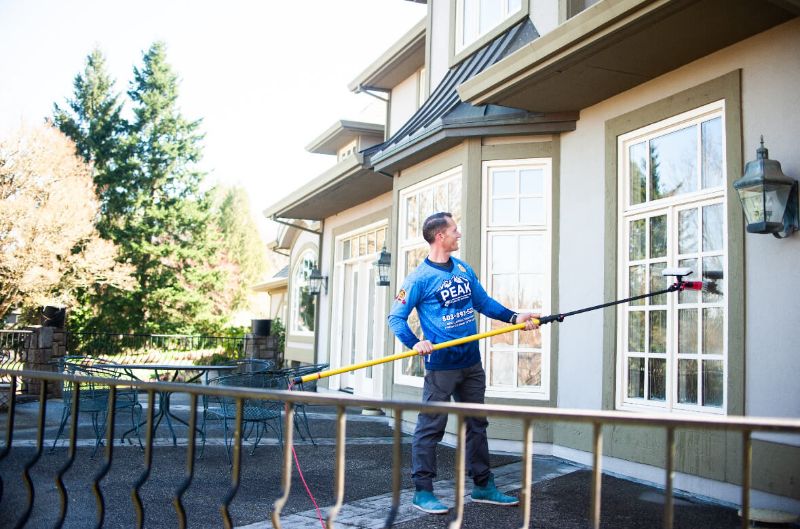
Your new Wilsonville home starts collecting moss, algae, and construction debris the moment crews pack up and leave. Fresh surfaces are porous, absorbing moisture quickly, and Oregon’s wet climate accelerates biological growth that compromises protective coatings almost immediately. Roofs, concrete flatwork, wood decking, and north-facing siding are especially vulnerable. Without a regular cleaning schedule, what starts as surface buildup turns into structural damage and costly repairs. The details ahead will help you stay ahead of it.
Key Takeaways
-
Fresh construction surfaces are porous and quickly absorb moisture, making new Wilsonville homes vulnerable to moss, algae, and mold growth.
-
Oregon’s wet climate accelerates biological growth on new builds, compromising protective coatings and sealants shortly after completion.
-
Construction dust and organic debris settle on new surfaces immediately, requiring early cleaning to prevent embedded buildup.
-
Roofs, concrete flatwork, wood decking, and north-facing siding retain moisture, making them high-risk areas even on new properties.
-
Routine maintenance prevents deterioration from exceeding what cleaning can reverse, avoiding costly surface replacements on newer homes.
Why New Builds Still Collect Dirt, Moss, and Algae
Many homeowners assume a newly built home is immune to the kind of exterior buildup that plagues older properties—but that’s not the case.
New construction introduces fresh surfaces that are actually more porous and vulnerable in their early stages. Concrete, wood, and composite materials absorb moisture quickly, creating ideal conditions for moss, algae, and mold to establish themselves. Oregon’s wet climate accelerates this process year-round.
Without consistent surface maintenance, biological growth anchors into these materials and begins breaking down protective coatings and sealants. Construction dust, airborne pollutants, and organic debris also settle onto rooflines, siding, and driveways within months of completion.
You shouldn’t wait for visible staining before acting—by then, the buildup has already started compromising your home’s exterior integrity. Regular roof cleaning is essential due to the wet climate that promotes rapid moss and algae development.
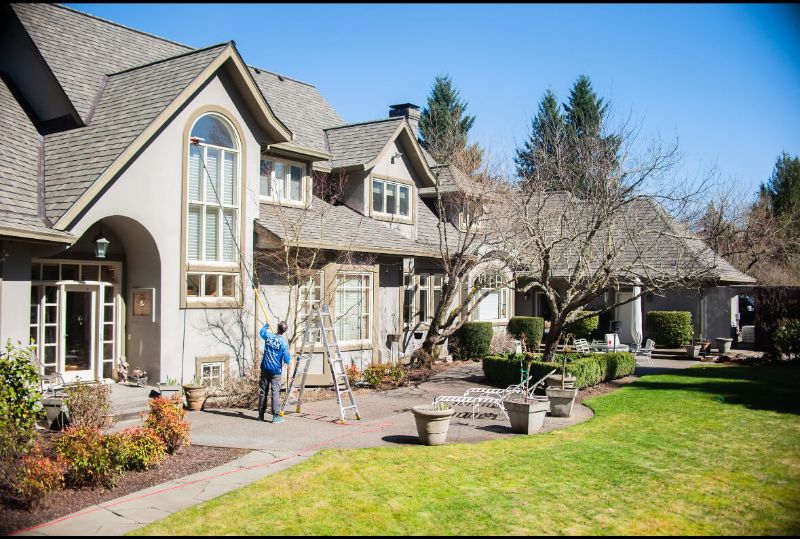
The Exterior Surfaces Most Vulnerable in Wilsonville’s Climate
Wilsonville’s wet winters and mild summers create persistent moisture conditions that hit certain exterior surfaces harder than others.
Your roof, concrete flatwork, wood decking, and north-facing siding face the highest exposure to moss, algae, and organic buildup because they retain moisture longer and receive less direct sunlight.
If you don’t address these surfaces on a regular maintenance schedule, biological growth embeds into the material itself, accelerating deterioration well beyond what cleaning alone can reverse. Regular cleaning enhances home energy efficiency, especially in Oregon and Washington.
Climate-Vulnerable Surface Types
Because Wilsonville sits in the Tualatin Valley, its exterior surfaces take a harder hit from moisture, shade, and seasonal temperature swings than many homeowners expect.
Climate impact here accelerates deterioration across multiple materials. Concrete driveways and walkways absorb water, then crack as temperatures fluctuate. Wood decks and fences trap moisture beneath their surface, inviting rot and moss. Roof shingles collect organic debris that holds humidity and breeds algae. Painted siding loses adhesion faster under persistent wet conditions, exposing the substrate beneath.
Surface durability depends heavily on how well you maintain these materials against Wilsonville’s specific environmental conditions.
Shade from surrounding trees compounds the problem by slowing evaporation and keeping surfaces damp longer. Identifying which surfaces face the highest exposure lets you prioritize maintenance before damage becomes costly structural repair.
Moss And Algae Risks
Moisture retention across these vulnerable surfaces creates the ideal conditions for moss and algae to take hold.
Wilsonville’s rainy seasons accelerate biological growth, and you’ll see visible damage faster than you’d expect on new construction.
Effective moss prevention and algae control require recognizing early warning signs:
-
Green or black streaking across roof shingles and fascia boards
-
Slippery, dark patches spreading across concrete driveways and walkways
-
Fuzzy green buildup creeping along fence panels and deck boards
-
Algae discoloration forming beneath gutters and along siding seams
-
Moss colonies thickening between paver joints and around foundation edges
Left untreated, these organisms trap moisture against surfaces, accelerating deterioration.
You’re not just dealing with aesthetics — you’re facing structural damage that compounds repair costs considerably over time.
How Quickly Buildup Can Damage New Construction Materials
New construction materials may look pristine, but they’re vulnerable to environmental buildup faster than most property owners expect. Concrete, composite siding, wood decking, and painted surfaces can begin collecting dirt, algae, and moisture within the first year.
Without consistent buildup prevention, these contaminants break down protective coatings, penetrate porous surfaces, and accelerate structural degradation.
Algae and moss retain moisture directly against construction materials, creating conditions that lead to rot, staining, and surface erosion. Concrete develops microcracks when organic matter traps freeze-thaw cycles.
Siding loses its protective finish when biofilm establishes itself along seams and panels.
You don’t need to wait for visible damage to act. Scheduling routine exterior cleaning shortly after construction wraps protects your investment before deterioration gains a foothold. Regular cleaning also preserves roof quality and ensures that maintenance costs remain manageable.
What Happens When Maintenance Gets Delayed Too Long
When you delay exterior maintenance on new construction, biological growth like moss and algae bonds more aggressively to surfaces, making removal considerably harder and increasing the risk of permanent etching, staining, or structural degradation. What starts as a simple cleaning job can escalate into surface replacement once materials absorb enough moisture and organic acids. The longer you wait, the more repair costs compound—turning a routine maintenance expense into a major financial liability. Regular pressure washing can prevent surface deterioration and save significant costs in future repairs.
Buildup Becomes Harder To Remove
The longer you wait to clean your home’s exterior, the harder that buildup becomes to remove. Moss anchors into shingles, algae bonds to siding, and grime embeds into concrete pores.
Without consistent buildup prevention strategies and proper maintenance frequency recommendations, what’s once a routine rinse turns into aggressive treatment.
Delayed cleaning creates these compounding problems:
-
Moss roots lifting and cracking roof shingles
-
Black algae streaks permanently staining concrete driveways
-
Mold colonies spreading beneath siding panels
-
Gutter debris compacting into a dense, water-blocking mass
-
Oxidized grime bonding to painted surfaces, requiring higher pressure to remove
Higher pressure means greater risk of surface damage. Staying ahead of buildup protects your surfaces and keeps cleaning costs manageable over time.
Surfaces Sustain Permanent Damage
Neglect a surface long enough, and cleaning it becomes the least of your problems. Moss and algae don’t just sit on top of concrete, wood, or roofing—they break down the material beneath them.
Organic acids eat into surface integrity, leaving behind permanent stains, micro-fractures, and structural weakening that no pressure washer can reverse. Wood fibers split. Concrete becomes porous and unstable. Roof granules erode prematurely, shortening the lifespan of shingles by years.
At that point, you’re no longer talking about a cleaning bill—you’re facing repairs or full replacements. New construction in Wilsonville doesn’t exempt you from this reality.
Materials still degrade under Oregon’s wet climate. Staying ahead of buildup protects surface integrity and keeps minor maintenance from turning into a major expense.
Repair Costs Rise Quickly
Delayed maintenance doesn’t just accelerate surface damage—it compounds costs at every stage.
Without consistent maintenance planning, what starts as a minor cleaning job escalates into a full repair or replacement project. Smart repair budgeting accounts for preventive care, not emergency intervention.
Skipping routine service triggers a cascade of expensive consequences:
-
Moss-covered roofs require structural inspections before cleaning can even begin.
-
Stained concrete driveways need grinding or resurfacing instead of standard washing.
-
Rotted wood decking demands board replacement before any protective coating applies.
-
Clogged gutters cause fascia deterioration and foundation water intrusion.
-
Oxidized siding loses enough integrity to require full panel replacement.
Each delay narrows your options and inflates your costs.
Proactive exterior maintenance keeps you in control of your budget.
The Right Cleaning Schedule for New Wilsonville Properties
Establishing a cleaning schedule early prevents the compounding buildup that makes exterior maintenance more difficult and costly over time.
For most Wilsonville properties, a consistent cleaning frequency of once or twice annually covers the essentials — but certain surfaces demand closer attention.
Use this baseline maintenance checklist as your starting point:
-
Roof and gutters: Clean annually, or after heavy storm seasons
-
Siding and fascia: Wash once or twice per year to control moss and algae
-
Concrete driveways and walkways: Clean annually to prevent staining and surface degradation
-
Windows and solar panels: Clean every six months for performance and clarity
-
Decks and fences: Inspect and clean annually before sealing
Adjust your schedule based on tree coverage, shade exposure, and proximity to high-moisture zones. Regular gutter cleaning frequency helps prevent water accumulation and leaks, ensuring your property remains in optimal condition.
Professional Exterior Cleaning Services That Protect Your Investment
Maintaining your Wilsonville property’s exterior goes beyond aesthetics — it’s a direct investment in structural integrity and long-term property value.
Adjusting your maintenance frequency to match Wilsonville’s wet climate prevents costly repairs before they start.
Professional exterior cleaning services deliver targeted results across every surface:
-
Roof cleaning eliminates moss colonies spreading beneath shingles
-
House washing removes algae streaking down siding panels
-
Concrete cleaning lifts embedded oil stains from driveways and walkways
-
Gutter cleaning clears compacted debris blocking drainage flow
-
Deck cleaning strips mold buildup penetrating wood grain
Peak Pressure Washing brings licensed, insured expertise to Wilsonville properties, using eco-friendly methods that protect surfaces while restoring appearance.
Don’t let buildup compound — schedule professional cleaning before minor contamination becomes structural damage.
Frequently Asked Questions
Does Pressure Washing Void Warranties on New Construction Materials?
It depends on your materials. You’ll want to review warranty implications before cleaning. Using correct PSI and soft washing techniques delivers pressure washing benefits without risking damage—Peak Pressure Washing guarantees manufacturer guidelines are always followed.
Are Eco-Friendly Cleaning Products Safe for New Landscaping?
Yes, eco-friendly cleaning products are safe for your new landscaping. They deliver eco friendly benefits by eliminating harsh chemicals that damage plant roots, ensuring landscaping longevity while effectively cleaning your home’s exterior surfaces without risking runoff contamination.
Can Exterior Cleaning Improve a New Home’s Resale Value?
Yes, regular exterior cleaning directly boosts your new home’s curb appeal and supports property longevity. You’ll attract more buyers and command higher offers by keeping surfaces free of dirt, moss, and algae buildup.
Does Homeowners Insurance Cover Damage From Neglected Exterior Buildup?
Most policies won’t cover damage from neglected exterior maintenance since insurers classify it as preventable deterioration. You’ll want to stay proactive—gaps in insurance coverage often leave you financially responsible for moss, mold, and buildup-related repairs.
How Do I Choose a Licensed Exterior Cleaning Company Near Wilsonville?
Check licensing, insurance, and local company recommendations before hiring. Use cleaning service comparisons to evaluate experience, equipment, and eco-friendly practices. Peak Pressure Washing serves the Wilsonville area and meets all professional standards you’d expect.
Conclusion
Your new Wilsonville property won’t stay pristine on its own — Oregon’s climate will see to that. Establishing a regular exterior cleaning schedule now prevents moss, algae, and moisture damage from compromising your surfaces before they’ve even had a chance to age. Don’t wait until you’re facing costly repairs to take action. Professional pressure washing is your most practical defense against the Pacific Northwest’s relentless buildup, protecting your investment from day one.