
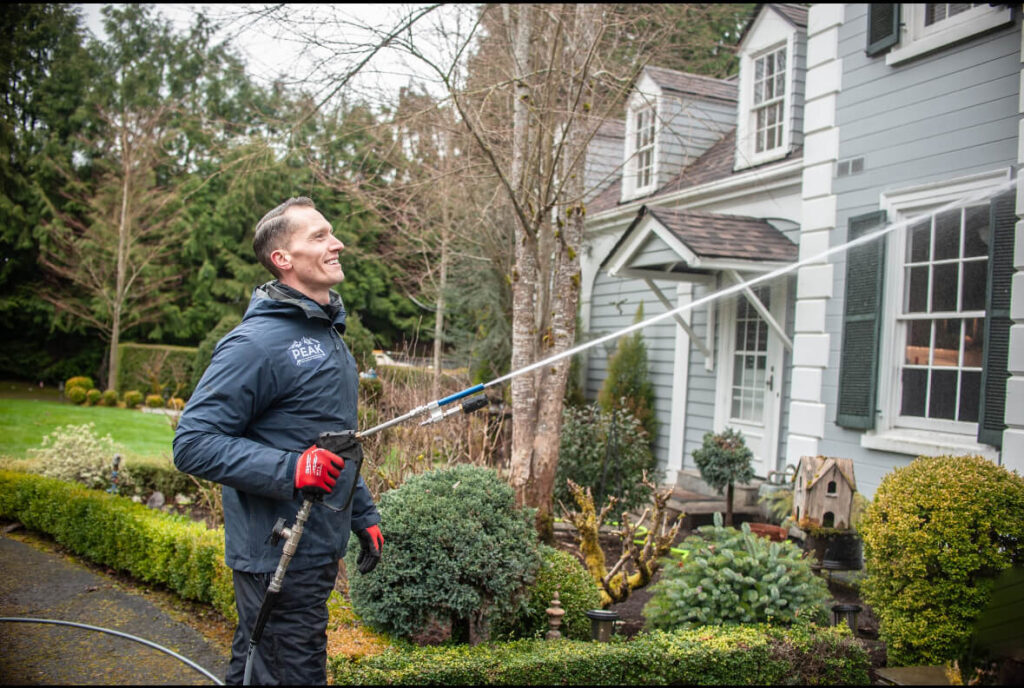
Key Takeaways
- Cleaning frequency depends on surface type, location, and weather exposure.
- Wooden fences require annual cleaning to prevent rot and mildew.
- Concrete surfaces benefit from seasonal maintenance and inspection.
- Choosing the right cleaning method preserves surface integrity.
- Professional services offer convenience, consistency, and long-term protection.
Fences and concrete surfaces are among the first features people notice when visiting a home or business. Over time, exposure to weather, organic buildup, and daily wear can take a toll on their appearance and functionality. Regular cleaning not only preserves aesthetics but also extends the life of these surfaces.
In climates with high humidity or seasonal moisture—such as in the Pacific Northwest—mildew, algae, and moss can quickly accumulate. Dirt buildup and staining from leaves, pollution, and animals can further reduce the appeal and safety of your outdoor areas. Neglecting these surfaces often leads to costly repairs or premature replacements.
Fence Cleaning Frequency by Material
Wooden Fences
Wood is vulnerable to organic growth, rot, and UV damage. Cleaning it at least once a year is recommended to:
- Remove mildew, algae, and dirt
- Prevent moisture retention that leads to rot
- Extend the stain or paint lifespan
Vinyl Fences
Vinyl requires less frequent cleaning but still benefits from attention every 1–2 years:
- Wash off grime, mold, and pollen
- Prevent discoloration from UV exposure
Metal Fences
Wrought iron and aluminum should be cleaned every 2–3 years:
- Remove rust and buildup
- Apply protective coating if needed
Environmental factors like tree cover, sprinklers, and proximity to busy roads can increase the need for more frequent cleaning across all materials.
How Often Should You Clean Concrete Surfaces?
Concrete is porous, meaning it easily absorbs moisture and stains. Seasonal cleaning helps maintain both appearance and longevity:
- Spring: Pressure wash to remove winter grime and prepare for sealing.
- Summer: Ideal time to reseal and protect against UV and oil stains.
- Fall: Clean leaves and organic matter before they settle and stain.
- Winter: Remove salt and ice melt residue that can degrade concrete.
Signs your concrete needs cleaning include discoloration, slippery surfaces, cracks, or a dull finish. Proactive seasonal care minimizes deterioration and ensures safety.
Choosing the Right Cleaning Method
Pressure Washing
An efficient way to restore large surface areas quickly. Best suited for:
- Concrete driveways, patios, and sidewalks
- Durable vinyl or metal fences
However, pressure washing requires the right settings to avoid damage—especially on wooden or older surfaces. Too much force can erode materials or cause splintering.
Soft Washing
A low-pressure cleaning technique that uses eco-friendly detergents to lift dirt and organic material. Ideal for:
- Wooden fences
- Surfaces with mold or algae concerns
Soft washing offers a safer alternative for more delicate materials and reduces the risk of damage from high pressure.
Avoiding DIY Pitfalls
While cleaning your fence or concrete surface may seem straightforward, DIY approaches often fall short. Mistakes include:
- Using the wrong pressure or nozzle
- Applying harsh chemicals that degrade surfaces
- Incomplete cleaning that leaves behind stains
- Inconsistent scheduling, leading to neglect
Instead of risking damage or subpar results, many homeowners prefer to trust professionals who understand how to tailor methods to the material, condition, and local climate.
Cleaning Products: What Works and What to Avoid
Not all cleaning products are created equal. Choosing the wrong solution can harm surfaces or surrounding vegetation.
Recommended:
- Alkaline Cleaners: Break down grease and grime on concrete.
- Wood-Specific Cleaners: Contain mildewcides to prevent fungus.
- Biodegradable Detergents: Safe for plants and pets.
Avoid:
- Acidic Solutions: Can etch concrete or corrode metal.
- Bleach Overuse: Damages wood and surrounding landscape.
Always spot test before full application and follow safety instructions, including using gloves and eye protection.
Benefits of Professional Cleaning
Professional pressure washing services offer more than just surface-level improvement. By hiring experienced technicians, homeowners and businesses benefit from:
- Time Savings: Efficient processes reduce time spent on upkeep.
- Proper Tools: Commercial-grade equipment and products tailored to your surface type.
- Preventative Maintenance: Early detection of cracks, rot, or moss infestations.
- Improved Longevity: Routine care prevents irreversible damage.
Peak Pressure Washing delivers dependable service and expert knowledge in caring for outdoor surfaces across Oregon. Their cleaning techniques are customized to each property’s needs, ensuring your fence and concrete areas remain clean, safe, and well-maintained year-round.
Maintaining Your Outdoor Surfaces
Clean fences and concrete areas reflect well on your property’s upkeep and value. With the right schedule and professional support, these surfaces can remain attractive and functional for years to come.
Instead of struggling with inconsistent DIY routines, entrust your exterior maintenance to experts who understand the materials, local conditions, and most effective techniques.
Peak Pressure Washing is ready to help you preserve the integrity and appearance of your outdoor spaces with reliable cleaning and care.
FAQs
How do I know when it’s time to clean my fence or concrete?
Look for visible discoloration, moss, algae, or slipperiness. Annual or seasonal cleaning is often enough, but increased buildup or stains may require more frequent attention.
Can pressure washing damage wood?
Yes. High pressure can cause splintering or gouging in wood. Soft washing is a better alternative for wooden fences.
What’s the best time of year to clean exterior surfaces?
Spring and fall are ideal for thorough cleanings. Summer is perfect for sealing and protecting surfaces.
Do I need to seal my concrete every year?
Most sealed concrete surfaces benefit from resealing every 2–3 years, depending on traffic and exposure.
Can I clean my fence without chemicals?
Water alone may not remove mildew or grime effectively. Eco-friendly cleaners are a safer and more effective option for thorough cleaning.