
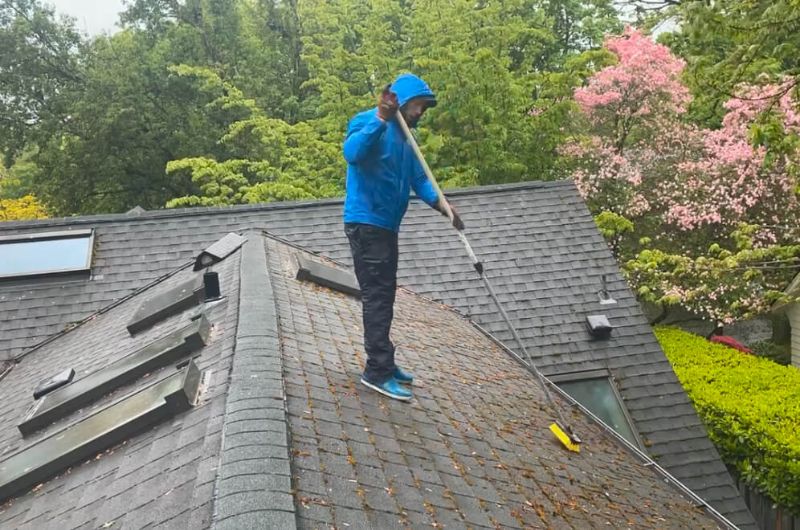
During November’s consecutive rain days, your roof stays continuously damp, giving dormant moss spores exactly what they need to activate and anchor in. Within 24 to 48 hours of sustained moisture, spores germinate and drive rhizoids into your shingles, prying apart granules and creating moisture traps that accelerate spread. North-facing slopes and shaded sections face the highest risk. Understanding how this process unfolds can help you protect your roof before serious damage sets in.
Key Takeaways
-
November’s persistent rainfall keeps roof surfaces continuously damp, creating ideal conditions for moss spores to germinate and anchor into shingles.
-
Moss spores activate within 24 to 48 hours of sustained moisture, rapidly establishing colonies across shaded roof sections.
-
Rhizoids penetrate shingle granules, physically anchoring moss while prying apart roofing materials and creating moisture-trapping gaps.
-
North-facing slopes and low-pitched sections drain slowly, accelerating moss colonization during consecutive rainy days.
-
Once established, moss can double its coverage within days, making early November intervention critical to preventing structural damage.
Why November Is Peak Moss Season in Portland
November marks the beginning of Portland’s wettest stretch of the year, and that moisture is exactly what moss needs to thrive. Temperatures drop into the 40s and 50s, rainfall becomes near-constant, and daylight shrinks — creating ideal conditions for moss growth on your roof. Unlike summer months when UV exposure and heat dry out spore activity, November’s persistent rainy weather keeps roof surfaces continuously damp. Moss spores that settled on your shingles throughout autumn now have everything they need to germinate and anchor into the surface material. North-facing slopes and shaded roof sections are especially vulnerable because they retain moisture longest. Once established, moss retains moisture against your shingles, increasing the risk of shingle damage and leaks over time. If you’re a Portland homeowner, November isn’t just the start of fall weather — it’s the start of your roof’s most biologically active season.
How Moss Finds Its Way Onto Your Roof
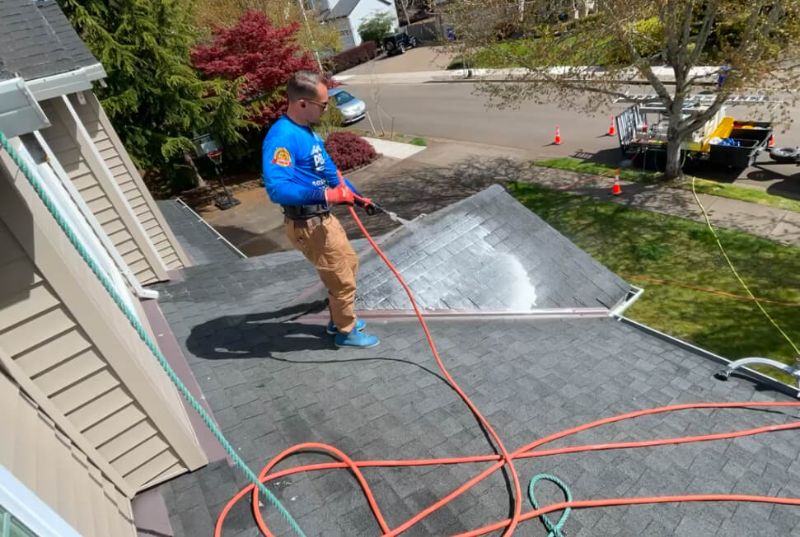
Moss doesn’t walk onto your roof — it arrives invisibly, carried by wind, birds, and runoff from nearby trees. Spores land on your shingles and lie dormant until moisture and shade create the right conditions for moss growth to begin. Once a spore activates, it anchors itself using root-like structures called rhizoids that grip into shingle surfaces and pry apart granules over time.
North-facing slopes, areas beneath overhanging branches, and valleys where debris accumulate are your roof’s most vulnerable zones. Poor drainage and organic debris like leaves and twigs trap moisture, accelerating colonization. Without consistent roof maintenance, a small spore deposit becomes a thick mat within a single wet season — causing lifting, cracking, and water infiltration that compounds with every consecutive rain cycle. Unlike vascular plants, moss absorbs water directly from the air and surrounding surfaces, meaning even ambient humidity during prolonged rain periods is enough to sustain and accelerate its spread across your roof.
Which Roof Surfaces Moss Targets First
Not every part of your roof faces the same level of risk. Moss types vary in aggressiveness, and certain roof materials and surface conditions accelerate colonization. Shaded, north-facing slopes stay damp longest, making them primary targets.
Watch for early moss growth in these high-risk zones:
-
North-facing slopes — minimal sun exposure keeps moisture locked in
-
Low-pitched sections — water drains slowly, extending surface saturation
-
Asphalt shingles with granule loss — rough, degraded texture traps spores
-
Wood shake and cedar shingles — organic material feeds moss directly
-
Areas beneath overhanging branches — debris accumulates and retains moisture
Identifying these vulnerable zones early lets you act before moss evolves from surface buildup to structural damage. In the Pacific Northwest, approximately 70% of homes experience algae-related problems, underscoring how widespread organic roof growth becomes when moisture-prone surfaces go unchecked.
How Moss Spreads Across Your Roof After One Wet Week
Once a single wet week arrives, moss spreads faster than most homeowners expect. Spores already dormant on your roof activate within 24 to 48 hours of sustained moisture. From there, moss growth follows a predictable pattern — expanding outward from established colonies along shaded ridgelines, valleys, and north-facing slopes.
Each new filament anchors into shingle granules, creating a mat that traps additional moisture beneath it. That retained water accelerates colonization, allowing moss to double its coverage across multiple roof sections within days.
Without consistent roof maintenance, this cycle compounds every rainy season. What starts as a few small patches after one wet week can blanket entire roof sections before winter ends. Early intervention stops this progression before structural damage becomes your next concern. Left unchecked, moss absorption of moisture actively lifts shingles, creating entry points for leaks that compromise the roof’s structural integrity over time, which is why most professionals recommend cleaning roofs every 1–2 years depending on surrounding tree cover and shade exposure.
What Moss Does to Shingles Beneath the Surface
What you see on the surface of your roof tells only part of the story. Moss growth penetrates deeper than the green layer you can spot from the ground. As moss roots work beneath shingles, they cause roof damage that compounds silently over months.
Beneath the surface, moss is actively:
-
Lifting shingle edges, allowing water infiltration
-
Breaking down asphalt granules that protect against UV exposure
-
Retaining moisture against the shingle substrate, accelerating decay
-
Creating gaps where ice dams and leaks develop in winter
-
Weakening adhesive bonds between shingle layers
This structural deterioration isn’t visible until significant damage has already occurred. The wet Pacific Northwest climate accelerates this process, as persistently high moisture levels give moss the ideal conditions to establish deeper root systems faster than in drier regions. By the time shingles curl or crack noticeably, replacement costs often far exceed what professional moss removal would have cost earlier.
When to Call for Professional Moss Removal
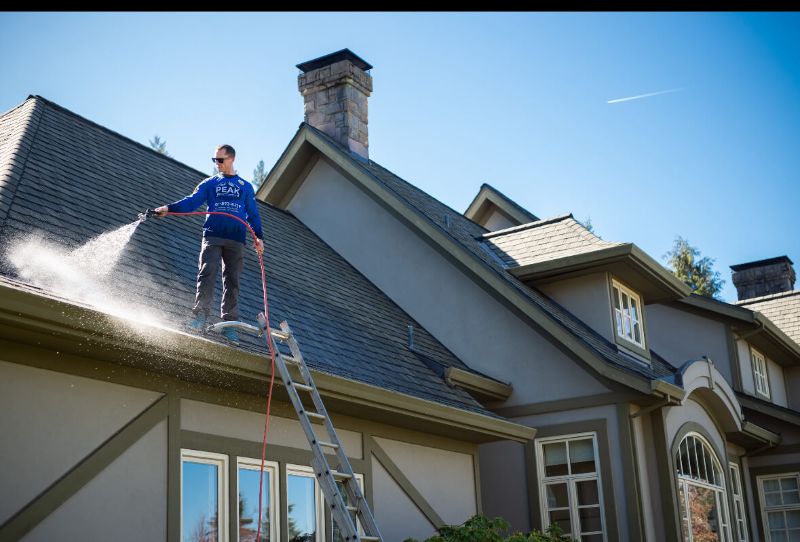
Knowing when to stop DIY treatment and call a professional can save you from compounding the damage moss has already started. If moss identification techniques reveal coverage exceeding one-third of your roof’s surface, deep root penetration into shingles, or visible granule loss, you’re past the point of safe DIY intervention. Walking on saturated, moss-covered roofs dramatically increases injury risk and shingle damage. Professional removal benefits include proper low-pressure soft washing, targeted biocide application, and post-treatment inspection that identifies compromised areas before leaks develop. Peak Pressure Washing serves Portland and surrounding communities with licensed, insured roof cleaning designed to eliminate moss without accelerating shingle deterioration. Services are available for both residential and commercial properties, ensuring that property owners across all building types have access to expert moss remediation. Don’t wait until interior water damage confirms what the moss already started—schedule a professional assessment after consecutive heavy rain seasons.
Frequently Asked Questions
Does Moss on My Roof Affect My Homeowner’s Insurance Coverage?
Moss growth can affect your homeowner’s insurance coverage. Many insurers view it as neglect, which can void claims. You’ll want to address insurance implications early by scheduling professional moss removal before damage escalates.
Can I Use Bleach to Kill Roof Moss Myself Safely?
You can use diluted bleach for moss growth, but you’ll risk damaging shingles and gutters. For safe, effective roof maintenance, it’s smarter to hire a licensed professional with the right equipment and techniques.
How Much Does Professional Moss Removal Typically Cost in Portland?
In Portland, you’ll typically pay $300–$600 for professional moss removal, depending on roof size and moss growth severity. Investing in routine roof maintenance now prevents costly repairs and extends your roof’s lifespan considerably.
Will Moss Removal Damage or Loosen My Existing Shingles?
Professional moss removal won’t damage your shingles when done correctly. Technicians use low-pressure soft washing to protect shingle integrity while eliminating moss growth, ensuring your roof stays intact throughout the entire cleaning process.
How Long Does a Professional Moss Treatment Usually Last?
A professional moss treatment typically lasts 1–3 years, depending on your roof’s shade and moisture exposure. You’ll extend results by scheduling routine roof maintenance, as moss growth accelerates fast in Portland’s wet climate without follow-up treatments.
Conclusion
You can’t afford to wait until you spot green patches spreading across your shingles. Once moss establishes itself during a consecutive stretch of November rain, it’s already working beneath the surface to lift, crack, and deteriorate your roofing material. Schedule a professional inspection now, before winter deepens the damage. Early intervention costs a fraction of what you’ll spend replacing compromised shingles or repairing water-infiltrated decking come spring.