
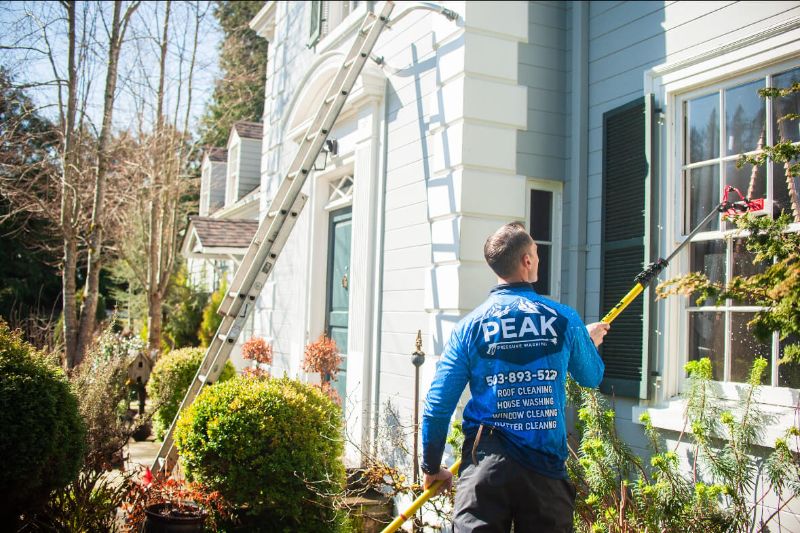
Your building’s exterior shapes opinions in as little as 50 milliseconds — long before customers interact with your staff. A clean facade signals competence, trustworthiness, and attention to detail, while dirty surfaces suggest neglect in every aspect of your operation. It also affects your employees, who take more pride in a well-maintained workplace. Understanding exactly how each surface influences these perceptions can help you make smarter decisions about exterior upkeep.
Key Takeaways
-
Clean exteriors trigger subconscious associations with competence and trustworthiness, influencing customer decisions before they even enter the building.
-
Visual impressions form within 50 milliseconds, meaning surface cleanliness is judged instantly before any interaction occurs.
-
Dirty facades and grimy windows signal neglect, leading customers to assume the same carelessness applies to services offered.
-
Employees working in well-maintained environments demonstrate greater pride, ownership, and engagement in their roles.
-
A clean exterior communicates high operational standards, effectively serving as a business’s first and most powerful sales pitch.
The Psychology Behind a Clean Building Exterior
When you pull up to a building for the first time, your brain makes a judgment within seconds — and the exterior is doing most of the talking.
Cleanliness perception kicks in immediately, triggering associations with competence, trustworthiness, and attention to detail. Aesthetic psychology research confirms that people transfer the condition of a physical environment onto the people operating within it.
A stained facade, streaked windows, or moss-covered roof signals neglect — even if the business inside runs flawlessly. These snap judgments influence whether a customer walks through the door or keeps driving.
They also shape how employees feel about where they work. A clean exterior sets expectations before a single conversation happens, making it one of your most powerful and often overlooked business assets. Additionally, regular upkeep prevents costly repairs from surface degradation, further enhancing the overall impression of your business.
First Impressions Form Faster Than You Think
Research puts the timeline at just 50 milliseconds — that’s how long it takes for someone to form a visual impression of what they’re looking at.
Before they read your signage or speak to your staff, their brain has already made a judgment. That’s visual perception working at full speed, and cognitive bias doing the rest.
Here’s what gets registered almost instantly:
-
Surface cleanliness — stained walls, dirty windows, and grimy entryways signal neglect.
-
Structural condition — moss, algae, and buildup make buildings look deteriorated.
-
Overall professionalism — a clean exterior communicates that you care about details.
You can’t slow down how fast people judge your building.
What you can do is control what they see. Regular pressure washing not only enhances curb appeal but also provides long-term damage prevention, ensuring your property stands out positively.
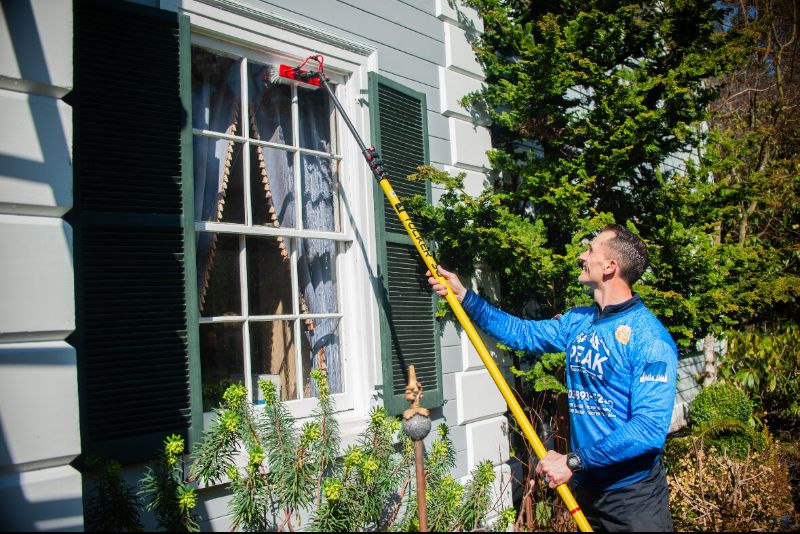
How a Dirty Building Affects Employee Morale
Your building’s exterior doesn’t just speak to clients and customers—it speaks to the people who show up to work there every day.
When employees walk into a facility covered in grime, moss, or stained concrete, morale takes a hit that’s hard to ignore. A clean, well-maintained exterior signals that you value your workplace, and that message resonates directly with the people who occupy it. Regular house washing not only enhances aesthetic appeal but also supports the longevity of your building’s materials.
Morale Suffers Visibly
Pride in one’s workplace is hard to sustain when the building itself signals neglect.
Workplace aesthetics directly shape how employees feel about showing up each day. When the exterior looks worn and dirty, employee engagement quietly erodes in measurable ways:
-
Reduced ownership – Employees stop feeling invested in a space that management clearly doesn’t maintain.
-
Lower morale during arrivals – Walking past grimy walls and stained concrete sets a negative tone before the workday even starts.
-
Embarrassment with visitors – Staff feel uncomfortable when clients or partners arrive at an unkempt facility.
You can reverse this pattern by scheduling routine exterior cleaning.
A well-maintained building communicates that leadership values its environment—and the people working inside it.
Pride In Workplace
A building’s exterior says something about the people inside it—and your employees are listening. When workplace aesthetics decline, employee pride follows.
Workers notice when the building they report to every day looks neglected, stained, or moss-covered. It signals that leadership doesn’t value the environment they work in—and by extension, the people working there.
That perception affects behavior. Employees who feel embarrassed by their workplace are less likely to speak positively about the company, recommend it to others, or bring clients on-site with confidence.
Maintaining a clean exterior sends a clear internal message: this place matters. Scheduling regular professional cleaning keeps the building looking sharp, reinforces a culture of care, and gives your team something they can genuinely feel good about walking into each day.
What Customers Assume Before They Walk Through the Door
Before a customer opens your door, they’ve already formed an opinion about your business based on what they see outside. A stained facade, grimy windows, or moss-covered walkways signal neglect, leading customers to question whether that same carelessness carries over into your products or services. When you keep your exterior clean, you communicate that you hold your operation to a high standard — and customers notice. Regular washing helps prevent surface damage and ensures that your business maintains a welcoming appearance.
First Glances Build Judgments
Customers form opinions about your business in seconds, long before they reach your front door. Visual cues trigger subconscious judgments instantly, shaping how people perceive your professionalism, reliability, and attention to detail.
A dirty exterior communicates neglect, even when your interior and service quality are exceptional.
Here’s what customers silently assess on their approach:
-
Entryways and walkways — Stained concrete or moss-covered paths suggest poor upkeep.
-
Building walls and siding — Streaks, algae, or grime signal that standards are low.
-
Windows and signage — Dirty surfaces make even well-designed branding look unprofessional.
You can’t control every first impression, but you can control what your building communicates. A clean exterior sets a confident, trustworthy tone before anyone steps inside.
Dirty Exteriors Signal Neglect
When potential customers pull into your parking lot or walk past your storefront, they’re not consciously evaluating your building — they’re forming gut-level conclusions about how you run your business.
Stained walls, grimy windows, and moss-covered entryways don’t just look bad — they communicate carelessness. Customers connect your visual presentation directly to your internal standards. If you neglect exterior maintenance, they assume you neglect everything else.
These assumptions happen fast and stick hard. A dirty façade raises immediate doubts about your professionalism, your attention to detail, and whether you’re worth their time and money.
Customers have options. They’ll choose competitors whose buildings signal pride and reliability. Your exterior isn’t just a shell — it’s your first sales pitch, and a dirty one loses business before anyone opens the door.
Cleanliness Implies Quality Standards
What customers see outside your building quietly builds a set of assumptions they carry through the door. Visual cleanliness directly shapes quality perception before a single word is exchanged. A clean exterior signals that your operation runs with the same care and attention you’d expect inside.
Customers typically draw three quick conclusions from a clean building:
-
Standards are high – If you maintain the outside, you likely maintain everything else.
-
Details matter here – Clean surfaces suggest a disciplined, organized operation.
-
This business is trustworthy – Cleanliness communicates pride and professionalism.
These assumptions happen fast and stick. Don’t let a grimy facade quietly undermine the quality you’ve worked hard to deliver inside.
Which Exterior Surfaces Make the Biggest Impact
Four exterior surfaces have the biggest influence on how your property looks at first glance: your siding, roof, driveway, and gutters.
Each of these exterior materials collects dirt, moss, algae, and staining at different rates, so cleaning frequency should reflect that variation.
Siding is the largest visible surface and shows discoloration quickly. Your roof draws attention from the street, especially when moss or dark streaking develops.
The driveway takes daily foot and vehicle traffic, making oil stains and grime hard to ignore. Gutters, while smaller, signal neglect immediately when they’re overflowing or visibly dirty.
Prioritizing these four areas gives you the highest return on any exterior cleaning investment. Regular house washing prevents mildew and mold growth that can detract from your property’s appearance and longevity.
Keeping them clean consistently tells customers and employees that your standards don’t stop at the front door.
When to Schedule Commercial Pressure Washing in Portland
Timing your commercial pressure washing schedule in Portland comes down to two factors: seasonal conditions and how your property is being used. The region’s wet winters accelerate moss, algae, and grime buildup, making spring the most effective window for deep cleaning.
For seasonal scheduling and maintenance frequency, consider these three guidelines:
-
Spring cleaning removes winter buildup before customers and employees return to peak activity periods.
-
Mid-summer touch-ups address dust, foot traffic residue, and pollen accumulation on high-visibility surfaces.
-
Fall preparation clears organic debris before heavy rainfall traps moisture against your building’s exterior.
High-traffic commercial properties typically benefit from quarterly service, while lower-traffic locations may need only two cleanings annually.
Match your schedule to your building’s actual exposure and usage patterns.
Frequently Asked Questions
How Much Does Commercial Pressure Washing Typically Cost in Portland?
Commercial pressure washing in Portland typically costs $0.10–$0.50 per square foot. Cost factors like building size, surface type, and service complexity influence regional pricing. You’ll want to request a custom quote for accurate estimates.
Is Pressure Washing Safe for All Types of Building Exterior Materials?
Pressure washing isn’t safe for all materials, so you’ll need to match techniques to each surface. Understanding material compatibility guarantees you maximize pressure washing benefits without damaging brick, wood, stucco, or other delicate building exteriors.
How Long Does a Commercial Exterior Cleaning Service Usually Take?
Your service duration typically ranges from 2–8 hours, depending on your building’s size and condition. You’ll want to plan your cleaning frequency seasonally to keep your exterior consistently clean and minimize longer, more intensive sessions.
Do You Offer Ongoing Maintenance Contracts for Commercial Properties?
Yes, we offer ongoing maintenance contracts for commercial properties! You’ll enjoy maintenance benefits like consistent curb appeal and contract flexibility to schedule cleanings around your business needs, keeping your exterior spotless year-round.
Are Your Cleaning Products Safe for Employees and Nearby Vegetation?
Yes, we use eco-friendly alternatives that prioritize chemical safety for your employees and nearby vegetation. Our carefully selected products effectively clean your building’s exterior without posing risks to people, plants, or the surrounding environment.
Conclusion
Your building’s exterior isn’t just a backdrop — it’s a business tool. Every dirty surface, stained walkway, or grimy window quietly chips away at the trust you’ve worked hard to build. Scheduling routine commercial pressure washing keeps your property looking sharp, protects your surfaces from long-term damage, and sends the right message to everyone who pulls into your parking lot. Don’t let a preventable first impression cost you customers or drag down employee morale.