
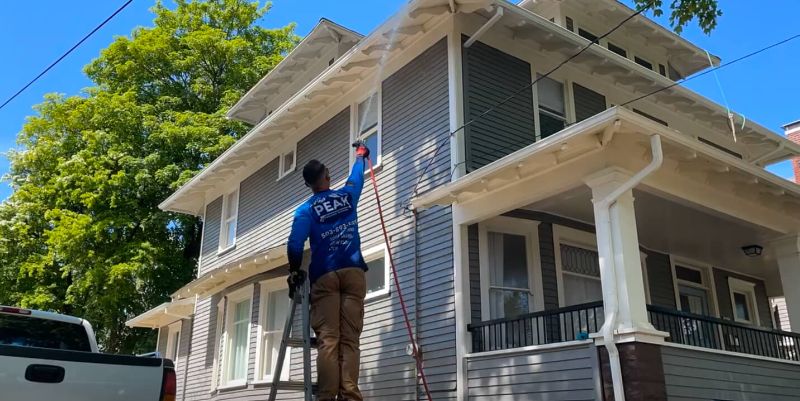
Routine exterior care protects your Canby farmhouse from the relentless buildup of moss, algae, mud, and organic debris that rural properties collect year-round. You’re dealing with more exposure than city homes face — unpaved driveways, heavy tree cover, and damp conditions that eat away at wood siding, roofing, and concrete fast. Staying consistent with pressure washing prevents small problems from turning into costly repairs and keeps your property’s value intact. There’s much more to uncover about protecting every surface on your rural property.
Key Takeaways
-
Routine exterior cleaning prevents moss, algae, and mildew from causing wood rot, structural decay, and costly repairs on rural Canby properties.
-
Regular pressure washing preserves wood siding, concrete driveways, and roofing materials, protecting long-term property value in Canby’s damp climate.
-
Seasonal maintenance schedules, including spring and fall cleanings, address debris buildup specific to agricultural and rural environments.
-
Eco-friendly cleaning solutions protect surrounding soil, crops, and livestock while effectively removing grime from farmhouse exteriors and outbuildings.
-
Early intervention through routine washing is far more cost-effective than repairing damage caused by neglected moss, mud, and organic buildup.
Why Rural Exteriors Take a Harder Hit Than City Homes
Farmhouses and rural properties face a tougher battle against grime than their city counterparts. You’re dealing with rural maintenance challenges that urban homeowners simply don’t encounter at the same scale. Fields and pastures kick up dust, pollen, and organic debris year-round.
Surrounding trees drop moisture-trapping material onto your roof and siding. Animals, mud, and heavy equipment traffic add layers of contamination that city properties rarely see.
Environmental exposure risks compound the problem. Without dense neighborhoods blocking wind patterns, your exterior surfaces absorb more rain, UV exposure, and temperature swings.
Moss and algae spread faster in shaded, moisture-heavy rural environments. Dirt roads stir up sediment that settles into every surface. The result is accelerated deterioration that demands consistent, proactive cleaning to stay ahead of long-term damage. Regular cleaning serves as preventative care to save costs and maintain the integrity of your home’s exterior.
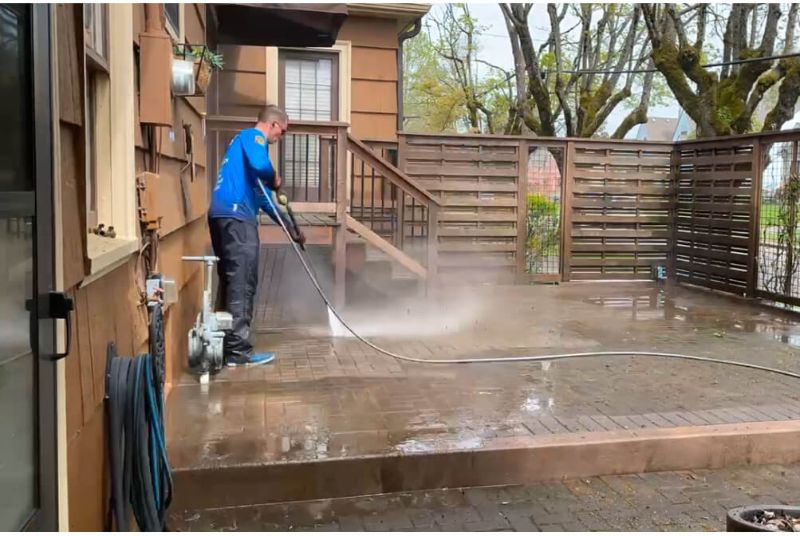
Moss, Algae, and Mud: The Real Threats to Farmhouse Surfaces
If you own a farmhouse in the Pacific Northwest, moss is one of your most persistent enemies—it spreads fast across roofs, fences, and siding, working its way under surfaces and causing damage that’s costly to fix.
Algae might seem like a cosmetic issue, but it actively breaks down wood, concrete, and composite materials over time, leaving them weakened and vulnerable to the elements.
Add in the constant cycle of mud that splashes up from unpaved driveways and saturated soil, and you’ve got a combination that accelerates structural decay far faster than most property owners expect. Regular moss removal can significantly enhance the lifespan of your roofing materials and prevent costly repairs.
Moss Spreads Rapidly
Moss doesn’t wait for an invitation. In the Canby area’s wet climate, it establishes itself fast, especially on roofs, fences, and shaded siding.
Once it takes hold, it traps moisture and accelerates surface deterioration.
Moss removal benefits go beyond appearances — you’re actively protecting your property’s structural integrity.
Applying moss prevention techniques early keeps small patches from becoming costly repairs.
Watch for these common problem areas on rural properties:
-
North-facing roof surfaces where sunlight rarely dries moisture
-
Wood fences and deck boards that stay shaded under tree canopy
-
Concrete pathways and driveways where organic buildup accumulates
Catching moss growth early means less aggressive treatment later.
Routine exterior care keeps your farmhouse surfaces intact and extends the life of every material moss would otherwise quietly destroy.
Algae Weakens Surface Materials
Algae spreads quietly across siding, concrete, and roofing materials, and by the time you notice the green or black streaking, it’s already compromising the surface beneath it.
In Canby’s damp climate, algae finds ideal conditions to penetrate porous materials, breaking down surface integrity over time.
Left untreated, it softens wood fibers, degrades concrete, and accelerates shingle deterioration.
Algae prevention techniques, like low-pressure soft washing and applied treatments, stop growth before it reaches that destructive stage.
If damage has already progressed, surface restoration strategies can reverse much of the deterioration and extend the life of your exterior materials.
Acting early costs considerably less than replacing compromised siding or roofing, making routine cleaning one of the smartest investments a rural property owner can make.
Mud Accelerates Structural Decay
Mud doesn’t get the same attention as moss or algae, but on farmhouse properties it’s just as destructive.
Mud accumulation effects compound quickly when seasonal rain and foot traffic push debris against siding, foundations, and wood framing. Structural integrity risks rise as trapped moisture softens materials from the outside in.
Around Canby’s rural properties, mud commonly causes:
-
Foundation erosion – constant contact breaks down mortar and concrete over time
-
Wood rot – mud holds moisture against siding and trim, accelerating decay
-
Drainage blockage – clogged pathways redirect water toward vulnerable structures
You can’t afford to treat mud as a cosmetic issue.
Routine exterior cleaning removes buildup before it penetrates surfaces and turns a simple maintenance task into a costly structural repair.
Which Exterior Surfaces on Rural Properties Need the Most Attention
On a rural property, your high-traffic surfaces—driveways, walkways, barn aprons, and entry areas—take a constant beating from mud, machinery, and foot traffic, making them the first places to show serious buildup.
Wood siding, shake roofing, and older concrete are especially vulnerable to Oregon’s wet seasons, where persistent moisture accelerates moss growth, wood rot, and surface staining. Regular roof maintenance is essential to prevent these issues from escalating, ensuring the longevity and appearance of your property.
If you’re not giving these areas consistent attention, you’re letting small maintenance problems quietly turn into costly repairs.
High-Traffic Surface Concerns
Rural properties in the Pacific Northwest take a beating from seasonal mud, rain, and organic growth, and some surfaces wear that damage faster than others.
Focusing your surface maintenance efforts on high traffic areas saves you time and money before deterioration sets in.
Watch these surfaces closely:
-
Driveways and pathways – Constant vehicle and foot traffic grinds in mud and accelerates cracking
-
Entryways and covered porches – Moisture traps debris and encourages mold and mildew growth quickly
-
Barn aprons and equipment pads – Organic material, fuel, and standing water break down concrete and gravel fast
Staying ahead of buildup on these surfaces keeps your property functional, safe, and looking well-maintained through every wet Oregon season.
Weather-Exposed Material Vulnerabilities
While high-traffic surfaces take a mechanical beating, weather-exposed materials face a different kind of damage—slow, cumulative, and easy to miss until it’s too late.
In Canby’s wet climate, wood siding, shake roofs, and exposed fencing absorb moisture season after season. That weather impact accelerates rot, warping, and moss colonization faster than most property owners expect.
Your barn siding, outbuildings, and covered porches are especially vulnerable because they’re often overlooked during routine walkthroughs.
Material maintenance on these surfaces means catching algae and mildew growth before it compromises structural integrity.
Cedar, pine, and composite materials all respond differently to prolonged moisture exposure, so understanding what you have guides how aggressively you need to clean and how frequently you should schedule professional exterior care.
How Routine Pressure Washing Protects Long-Term Property Value
Farmhouses in the Portland region take a beating from the Pacific Northwest’s wet climate, and that constant moisture is exactly what chips away at property value over time.
Consistent property maintenance through pressure washing isn’t cosmetic—it’s a value preservation strategy that prevents costly repairs down the road.
Here’s what routine cleaning actively protects:
-
Wood siding and trim from rot caused by moss, algae, and mildew buildup
-
Concrete driveways and walkways from surface degradation caused by organic staining and freeze-thaw cycles
-
Roofing materials from premature breakdown triggered by accumulated moss and debris
Skipping cleanings lets damage compound quietly, ultimately risking the lifespan of roofing materials.
What a Professional Exterior Cleaning Schedule Looks Like for Canby Properties
Canby’s mix of agriculture, moisture, and seasonal temperature swings means your farmhouse exterior faces a different set of demands than a suburban property.
A practical seasonal maintenance schedule typically includes a spring wash to clear winter moss and algae buildup, a late summer roof and gutter cleaning before fall rains arrive, and a fall concrete and driveway clean to remove organic debris before it breaks down surfaces.
Professionals use eco-friendly solutions that won’t harm your soil, crops, or surrounding landscape.
For high-traffic areas like barns, fences, and equipment pads, more frequent cleanings may be necessary.
Spacing your service visits strategically keeps buildup from becoming damage, reduces long-term repair costs, and keeps your property looking well-maintained through every season Canby throws at it.
Finding the Right Pressure Washing Service for Rural and Farm Properties
Not every pressure washing company is equipped to handle the scale and complexity of a rural or farm property. When you’re evaluating rural service options, look for a company that understands large-surface work, agricultural environments, and the specific materials common to farm structures.
Prioritize these qualities when choosing a provider:
-
Experience with rural properties — barns, outbuildings, fencing, and concrete pads require different approaches than standard residential work.
-
Eco friendly techniques — runoff near livestock areas, gardens, or natural water sources demands responsible cleaning solutions.
-
Flexible scheduling — farm operations don’t stop, so your provider should work around your schedule.
Peak Pressure Washing brings the professionalism and regional knowledge Canby property owners need to keep rural exteriors clean, protected, and well-maintained year-round.
Frequently Asked Questions
Can Pressure Washing Remove Stubborn Agricultural Chemical Residue From Exterior Surfaces?
Yes, pressure washing can effectively remove stubborn chemical residue from your exterior surfaces. You’ll want professional-grade equipment and eco-friendly cleaning solutions to fully break down agricultural buildup without damaging your Canby property’s siding or concrete.
Is Soft Washing Safe for Older Farmhouse Wood Siding and Trim?
Yes, soft washing is safe for your older wood siding and trim. It uses low pressure and eco-friendly solutions, making it ideal for farmhouse maintenance while delivering soft washing benefits without damaging fragile, aged surfaces.
How Do You Protect Landscaping and Animals During a Cleaning Service?
We’ll pre-wet your plants for landscape protection and cover delicate areas before cleaning. For animal safety, you’ll want to secure pets and livestock away from the work zone until surfaces are fully rinsed and dry.
Are There Water Usage Restrictions That Affect Rural Property Pressure Washing?
Yes, rural water conservation rules can affect your property maintenance schedule. You’ll want to check local Canby and Clackamas County restrictions before booking, as seasonal limitations sometimes apply to outdoor water use.
Can Exterior Cleaning Help Prevent Pests From Nesting in Farmhouse Structures?
Regular exterior cleaning disrupts pest prevention by eliminating debris, moisture, and organic buildup that encourage nesting habits. When you keep your farmhouse surfaces clean, you’re actively reducing the conditions pests need to settle in.
Conclusion
Your Canby property faces conditions that city homes simply don’t — and routine exterior cleaning is how you stay ahead of the damage. Don’t let moss, mud, and organic buildup quietly cost you thousands in repairs. A consistent pressure washing schedule protects your siding, roof, fences, and concrete while keeping your property’s value intact. Partner with a local professional who understands rural properties, and you’ll spend less fixing problems and more time enjoying what you’ve built.