
Maintaining a clean and well-kept fence is essential for any homeowner in Portland. Not only does it enhance curb appeal, but it also protects your investment and prolongs the lifespan of your fencing material. With various materials available, such as wood and vinyl, the cleaning requirements can differ significantly. Understanding the nuances of fence cleaning in Portland, especially concerning these two popular materials, can help you make informed decisions about maintenance and restoration.
In this article, we will explore the different cleaning methods suitable for wood and vinyl fences, the importance of regular maintenance, and how to ensure your fence remains in top condition. We will also discuss pressure washing, a highly effective cleaning technique, and provide practical tips for homeowners looking to enhance the longevity of their fences.
Understanding Different Types of Fence Materials and Their Cleaning Needs

Wood Fences: Characteristics and Cleaning Challenges
Wood fences are a popular choice among homeowners due to their natural aesthetic and versatility. However, they come with their own set of challenges. Wood is susceptible to moisture, pests, and decay, which can affect its appearance and structural integrity over time.
When cleaning wood fences, it is crucial to recognize that different wood types can react differently to cleaning solutions and methods. For instance, cedar and redwood are naturally resistant to decay but still require regular maintenance to prevent mold and mildew growth. On the other hand, treated lumber may require more aggressive cleaning to remove dirt and grime.
Cleaning wood fences typically involves the following steps:
-
Assessment: Inspect the fence for signs of damage, rot, or insect infestation.
-
Preparation: Clear the surrounding area of debris and cover any nearby plants to protect them from cleaning agents.
-
Cleaning: Use a wood-safe cleaner, preferably one designed for the specific type of wood, and a soft-bristle brush or low-pressure wash to remove dirt and stains.
-
Sealing: After cleaning, apply a wood sealant or stain to protect against future damage.
Regular maintenance, including cleaning and sealing, can significantly extend the life of a wood fence, ensuring it remains a beautiful part of your property for years to come.
Vinyl Fences: Durability and Maintenance
Vinyl fences are known for their durability and low maintenance requirements, making them an attractive option for many homeowners. Unlike wood, vinyl does not warp, crack, or fade easily, and it is resistant to pests and decay. However, it is not entirely maintenance-free.
Over time, vinyl fences can accumulate dirt, algae, and other stains that diminish their appearance. Regular cleaning is essential to maintain the fence’s aesthetic and prevent long-term damage.
The cleaning process for vinyl fences typically includes:
-
Initial Rinse: Use a garden hose to rinse off loose dirt and debris.
-
Cleaning Solution: Mix a solution of warm water and a mild detergent or a specialized vinyl fence cleaner.
-
Scrubbing: Use a soft cloth or sponge to scrub the fence gently. Avoid abrasive materials that can scratch the vinyl.
-
Final Rinse: Rinse thoroughly with water to remove any cleaning solution residue.
While vinyl fences require less frequent cleaning than wood, it is still important to keep them clean to preserve their appearance and functionality.
The Importance of Regular Fence Maintenance
Enhancing Curb Appeal
A well-maintained fence can significantly enhance the curb appeal of your property. Whether you have a charming wood fence or a sleek vinyl design, regular cleaning and maintenance ensure that your fence looks its best. This is especially important for homeowners looking to sell, as first impressions matter.
Protecting Your Investment
Fences can be a significant investment in your property. Regular maintenance, including cleaning and restoration, protects this investment from damage caused by the elements, pests, and neglect. A clean, well-maintained fence can also prevent costly repairs down the line.
Preventing Damage and Extending Lifespan
Neglecting fence maintenance can lead to long-term damage. For wood fences, failure to clean can result in mold growth, rot, and insect infestations. Vinyl fences, while more resistant to damage, can still suffer from stains and discoloration if not regularly maintained. By implementing a consistent cleaning schedule, homeowners can extend the lifespan of their fences and avoid premature replacements.
Effective Pressure Washing Techniques for Fence Cleaning
When to Use Pressure Washing
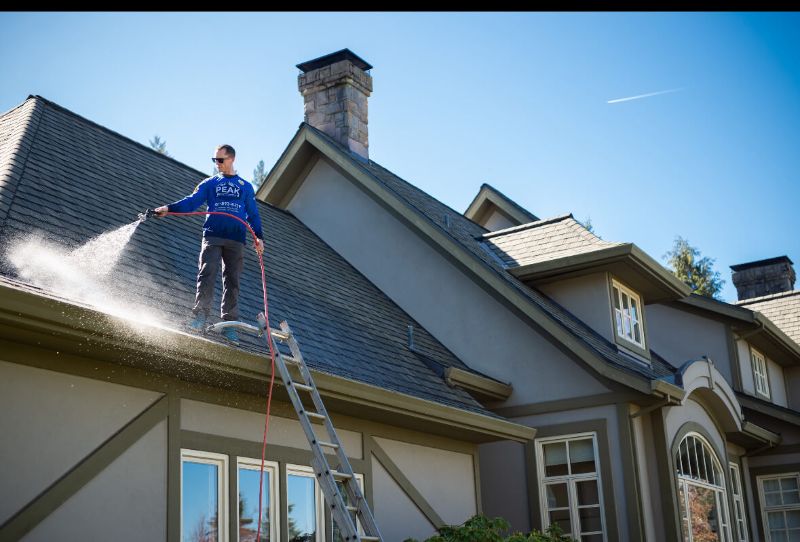
Pressure washing is an effective method for cleaning both wood and vinyl fences. However, it is essential to use the correct pressure settings and nozzles to avoid damaging the material. For wood fences, a pressure setting of around 1,200 to 1,500 PSI is typically safe, while vinyl fences can often withstand higher pressures.
Steps for Pressure Washing Your Fence
-
Preparation: Clear the area around the fence and protect nearby plants and surfaces from overspray.
-
Choose the Right Nozzle: Use a fan spray nozzle to distribute the water evenly and prevent concentrated pressure that could damage the material.
-
Start from the Top: Begin pressure washing from the top of the fence and work your way down. This technique helps ensure that dirt and debris are washed away rather than pushed into previously cleaned areas.
-
Use the Right Cleaning Solution: If necessary, apply a cleaning solution specifically designed for the material you are washing. Allow it to sit for a few minutes before rinsing.
-
Rinse Thoroughly: After pressure washing, rinse the entire fence with clean water to remove any remaining cleaning agents.
By following these steps, homeowners can effectively clean their fences, improving their appearance and longevity.
Common Misconceptions About Fence Cleaning
Misconception: Wood Fences Do Not Need Cleaning
One common misconception is that wood fences do not require regular cleaning due to their natural properties. While wood does have some resistance to decay, neglecting to clean it can lead to mold and rot, ultimately shortening its lifespan.
Misconception: Vinyl Fences Are Maintenance-Free
Another misconception is that vinyl fences are completely maintenance-free. While they do require less upkeep than wood, vinyl fences can still become stained and discolored without regular cleaning.
Misconception: Pressure Washing Is Too Aggressive for Wood Fences
Some homeowners fear that pressure washing may be too harsh for wood fences. However, when done correctly, pressure washing can be a safe and effective cleaning method. It is essential to use the appropriate pressure settings and techniques to avoid damaging the wood.
The Intersection of Fence Cleaning and Restoration
Maintaining a clean fence is only part of the equation; restoration may be necessary for fences that have suffered significant wear and tear. Fence restoration can involve repairing damage, replacing broken boards, and refinishing surfaces to restore the fence’s original appearance.
Regular cleaning can prevent the need for extensive restoration, but if your fence has already seen better days, consider consulting with a professional. Restoration services can bring new life to your fence, enhancing your property’s overall appearance and value.
Elevate Your Fence Maintenance with Peak Pressure Washing
Understanding the needs of different fence materials is key to effective maintenance. Homeowners in Portland can benefit from regular cleaning and restoration, ensuring their fences remain attractive and functional. Whether you have a wood or vinyl fence, employing the right techniques and services is essential.
Contact Peak Pressure Washing today to learn more about our services and how we can help you maintain a beautiful and durable fence.