
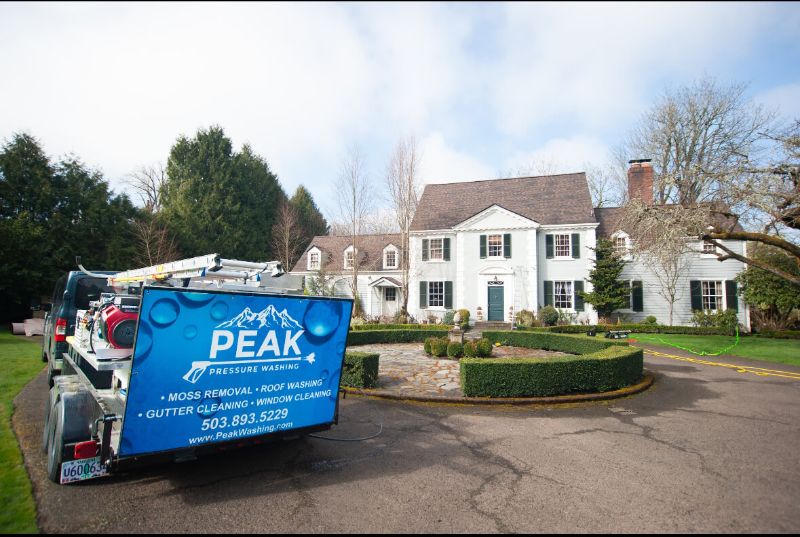
Maintaining a clean and appealing driveway is essential for homeowners in Portland, where the weather can be unpredictable and harsh on outdoor surfaces. Paver sealing and sanding are two critical processes that not only enhance the aesthetic appeal of your driveway but also protect it from the elements. As we dive into the details of paver sealing and sanding in Portland, we’ll cover essential practices, common mistakes, and actionable insights that can help you maintain your outdoor spaces effectively.
Understanding Paver Sealing and Sanding
Paver sealing involves applying a protective layer over pavers to guard against stains, dirt, and moisture. This process enhances the color and overall appearance of the pavers while extending their lifespan. On the other hand, paver sanding is the process of replenishing the joint sand between the pavers, which can wash away over time. This not only improves stability but also prevents weed growth and insect infestation.
Benefits of Paver Sealing
-
Protection Against Stains: Sealing pavers prevents oil, grease, and other stains from penetrating the surface, making cleaning much easier.
-
Enhanced Appearance: A sealant can enhance the color of the pavers, giving them a fresh and vibrant look that can improve curb appeal.
-
Increased Lifespan: By protecting against moisture and environmental damage, sealed pavers can last significantly longer than unsealed ones.
Benefits of Paver Sanding
-
Structural Stability: Filling joints with sand helps keep pavers in place, reducing the risk of shifting or sinking.
-
Weed Prevention: Properly sanded joints inhibit weed growth, which can be a persistent issue with outdoor pavers.
-
Drainage Improvement: Sand in the joints allows for better water drainage, helping to prevent pooling and potential water damage.
Common Mistakes to Avoid in Paver Sealing and Sanding
Proper execution of paver sealing and sanding is essential for achieving the best results. However, there are common pitfalls that many homeowners encounter during these processes. By being aware of these mistakes, you can ensure that your driveway remains in top condition.
Mistake 1: Skipping Surface Preparation
One of the most significant errors is neglecting to prepare the surface before sealing or sanding. This step is crucial to ensure that the sealant adheres correctly and that the sand fills the joints adequately.
-
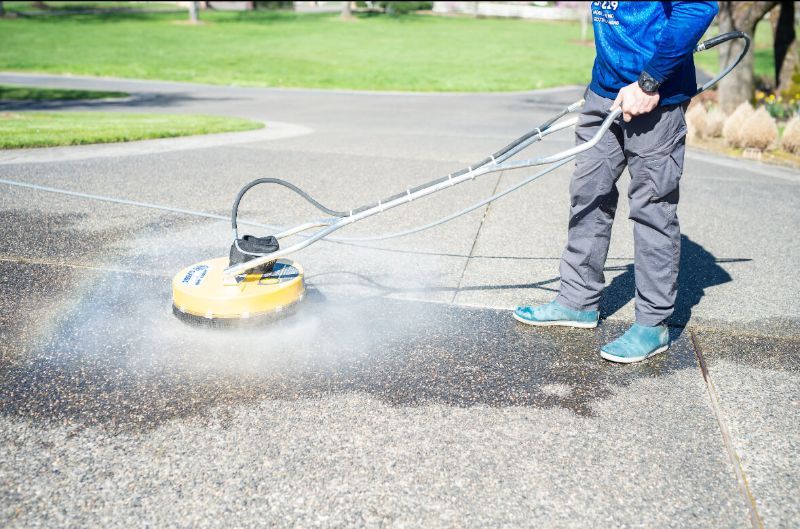
Cleaning: Before sealing, the surface must be thoroughly cleaned to remove dirt, debris, and previous sealant residues. This can be achieved through pressure washing, which also helps eliminate mold and mildew.
-
Drying: Ensure that the pavers are completely dry before applying sealant or sand. Moisture can prevent proper adhesion and lead to peeling or bubbling of the sealant.
Mistake 2: Choosing the Wrong Sealant
Not all sealants are created equal. Using an inappropriate product can lead to unsatisfactory results and even damage to your pavers.
-
Type of Sealant: There are various types of sealants available, including film-forming and penetrating sealants. Film-forming sealants create a protective barrier on the surface, while penetrating sealants soak into the pavers for a more natural look. Understanding the difference is key to choosing the right product for your needs.
-
Compatibility: Ensure that the sealant is compatible with the type of pavers you have. Some materials, like natural stone, may require specific sealants to avoid discoloration.
Mistake 3: Inadequate Sand Application
Applying sand incorrectly can lead to several issues, including unstable pavers and weed growth.
-
Joint Size Consideration: The size of the joints between the pavers will dictate the type and amount of sand needed. Using the wrong grain size can lead to ineffective filling and result in shifting pavers.
-
Sanding Technique: When applying sand, it’s essential to sweep it into the joints thoroughly. Failing to do so can leave gaps that are prone to weed growth and may allow moisture to penetrate.
Step-by-Step Guide to Paver Sealing and Sanding in Portland
To ensure successful paver sealing and sanding, follow these essential steps:
-
Clean the Pavers: Use a pressure washer to remove dirt, grime, and any previous sealant. Allow the surface to dry completely.
-
Inspect for Damage: Check for any cracked or damaged pavers. Replace or repair them before proceeding.
-
Apply Joint Sand: Use appropriate sand to fill the joints between the pavers. Sweep it into the gaps to ensure a tight fit.
-
Compact the Sand: Use a plate compactor or a similar tool to ensure the sand settles properly within the joints.
-
Seal the Pavers: Choose a sealant suitable for your pavers and apply it evenly using a sprayer or roller. Follow the manufacturer’s instructions for drying times and additional coats.
-
Final Inspection: After the sealant has dried, conduct a final inspection to ensure even coverage and proper sealing.
Maintaining Your Paver Surface
Maintaining your paver surface after sealing and sanding is critical for prolonging its life and appearance. Here are some maintenance tips:
-
Regular Cleaning: Schedule regular cleanings using a pressure washer to prevent dirt buildup. Aim for at least once or twice a year, depending on environmental factors.
-
Reapply Sealant: Depending on the sealant used, you may need to reapply sealant every few years. Check for signs of wear, such as fading or peeling.
-
Inspect for Weeds and Damage: Regularly inspect your paver surface for weeds or any shifting pavers. Address any issues promptly to prevent further damage.
The Importance of Professional Services
While DIY paver sealing and sanding can save costs, hiring professionals can ensure that the job is done correctly and efficiently. Professionals bring expertise and the right equipment to perform the tasks effectively, reducing the likelihood of mistakes.
Benefits of Hiring Professionals
-
Expertise: Professionals understand the nuances of different paver types and the best practices for sealing and sanding.
-
Quality Equipment: Access to commercial-grade equipment can lead to superior results compared to typical homeowner tools.
-
Time-Saving: Hiring experts allows homeowners to focus on other priorities while ensuring their pavers are well maintained.
Choosing the Right Service
When selecting a professional service for paver sealing and sanding in Portland, consider the following:
-
Experience: Look for companies with a proven track record in paver maintenance.
-
Reviews and References: Check customer reviews and ask for references to gauge the quality of service.
-
Service Offerings: Ensure that the company provides comprehensive services, including pressure washing, sealing, and sanding.
The Role of Peak Pressure Washing in Your Paver Maintenance
Peak Pressure Washing specializes in providing professional paver sealing and sanding services tailored to meet the unique needs of Portland homeowners. With our expertise and commitment to quality, we can help you maintain your driveway and enhance its curb appeal.
Contact us today to learn more about our services and how we can assist you in achieving the best results for your paver surfaces.