
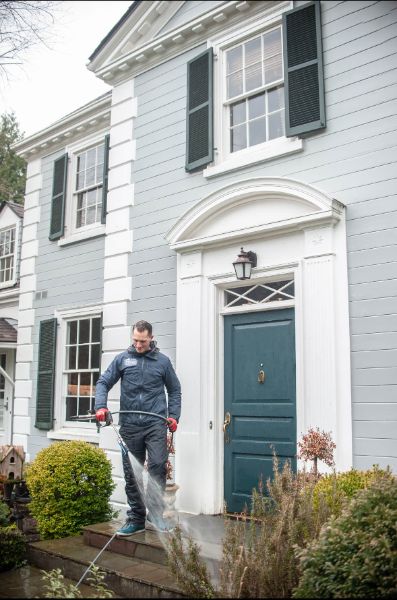
You don’t need to be home during pressure washing, but your decision should depend on the job’s complexity and your contractor’s reliability. For open, accessible areas, your absence is usually fine. However, you’ll want to be present if locked gates need opening, fragile items require monitoring, or special cleaning instructions must be communicated in real time. The sections ahead break down exactly what you need to know before making that call.
Key Takeaways
-
Being home during pressure washing is not always required if the contractor has proper access and clear instructions beforehand.
-
Homeowners must be present when gates are locked, fragile items need monitoring, or special cleaning instructions require real-time communication.
-
Before the crew arrives, move vehicles, open gates, secure pets indoors, and remove fragile items from work zones.
-
Pets must stay indoors with windows and doors closed until equipment is packed and all surfaces are completely dry.
-
Written confirmation of expectations, surfaces, and cleaning agents protects both parties and ensures accountability throughout the job.
Do You Actually Need to Be Home for Pressure Washing?
Whether you need to be home during pressure washing depends on several key factors, including the areas being cleaned, your property’s accessibility, and your comfort level with the service provider.
In many cases, you don’t need to be present to maximize pressure washing benefits, provided you’ve granted proper access beforehand. However, homeowner responsibilities don’t disappear simply because you’re absent. You must verify gates are open, pets are secured, and outdoor furniture is cleared before the crew arrives.
If the job involves enclosed areas, water shutoff valves, or delicate surfaces requiring real-time decisions, your presence becomes more critical.
Ultimately, your decision should balance trust in your contractor with practical site requirements to guarantee the job is completed safely and efficiently.
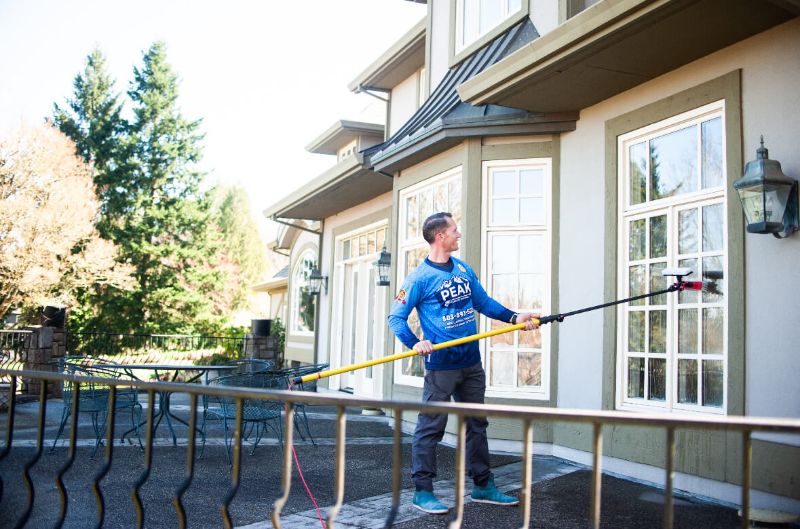
Situations Where Being Home Makes a Real Difference
Certain circumstances make your presence during pressure washing not just convenient but genuinely necessary.
If technicians need access to locked gates, storage areas, or side yards, you’ll need to be available to grant entry or coordinate access in advance.
Your presence also becomes critical when fragile items sit near work areas or when you have specific cleaning instructions that require real-time communication with the crew.
Access To Locked Areas
Some locked gates, side yards, or enclosed areas can’t be accessed without you present to open them—and if the technician can’t reach these spaces, they’ll simply skip them.
If your property has locked gates securing the perimeter, you’ll need to either be home or arrange emergency access beforehand. Consider providing a gate code, a key, or a lockbox combination to guarantee full coverage.
Without it, the technician won’t pressure wash those zones, leaving your job incomplete. You should also account for any locked utility enclosures or fence panels blocking equipment pathways.
Coordinate access logistics before the appointment to avoid rescheduling fees or partial service. Proactive planning eliminates these gaps and guarantees every targeted surface gets treated during the scheduled visit.
Fragile Items Nearby
Beyond access logistics, the physical environment around your home matters just as much—particularly when fragile items sit near surfaces scheduled for cleaning.
If you’ve got fragile decor, potted ceramics, glass lanterns, or delicate outdoor furniture positioned close to treatment zones, you’ll want to be present before work begins.
Pressure washing generates significant force and overspray drift. A technician focused on surface coverage may not identify every vulnerable object in their peripheral path.
You’re the one who knows what’s irreplaceable.
Being home lets you relocate items quickly, communicate specific concerns, and prevent avoidable damage before the equipment powers on.
Don’t rely on assumptions—technicians handle surfaces, not your personal property inventory.
Your physical presence becomes a protective measure, not merely a convenience.
Special Cleaning Instructions
When your property requires non-standard treatment—specific pressure settings, protected zones, chemical restrictions, or surface-sensitive techniques—your physical presence guarantees those instructions get communicated and executed correctly.
Different surface materials respond differently to pressure and cleaning products, and verbal instructions alone don’t always survive the handoff between schedulers and field technicians.
Being present lets you walk the crew through restricted zones, flag incompatible cleaning products before application begins, and confirm that delicate surface materials like cedar, limestone, or painted stucco receive the correct PSI and nozzle configuration.
You’ll also catch substitutions early—when a technician reaches for a standard degreaser on a chemically sensitive surface, your presence stops the error before damage occurs.
Complex jobs demand direct oversight.
What to Set Up Before the Pressure Washing Crew Arrives
Before the crew arrives, clear all access points by moving vehicles, opening gates, and removing obstacles that could block equipment or create safety hazards.
Secure your pets indoors and relocate any furniture, potted plants, or decorative items that high-pressure water could damage or displace.
Finally, write down any special instructions—fragile surfaces, water-sensitive materials, or restricted areas—and hand them directly to the crew lead before work begins.
Clear Access Points Ahead
A few simple steps taken before the pressure washing crew arrives can prevent delays and keep the job running smoothly. Open all gates, remove padlocks, and guarantee pathways leading to every surface scheduled for cleaning are obstacle-free. Move vehicles, outdoor furniture, potted plants, and decorative items away from the work zones.
These safety precautions protect both your belongings and the technicians operating high-pressure equipment. Secure any fragile fixtures, cover exterior electrical outlets, and close all windows and doors completely.
Property protection starts with eliminating unnecessary hazards before work begins. If you have pets, confine them indoors or away from the area. Providing clear, unobstructed access allows the crew to work efficiently without interrupting you for assistance, making your presence on-site far less critical throughout the entire job.
Secure Pets and Belongings
Securing your pets and personal belongings before the pressure washing crew arrives eliminates safety risks and prevents property damage. High-pressure water streams can injure pets and damage valuable items left outdoors.
Follow these four steps:
-
Move pets indoors or to a secured area away from the work zone to guarantee pet safety throughout the entire process.
-
Remove outdoor furniture, decorative items, and equipment from all target surfaces.
-
Store valuable items like tools, electronics, and potted plants inside your garage or home.
-
Relocate vehicles parked near the pressure washing area to prevent overspray damage.
You’ll reduce liability risks and allow the crew to work efficiently without interruption. Proper preparation protects both your property and your pets.
Communicate Special Instructions
Leaving three or four written notes about problem areas saves time and prevents miscommunication when the pressure washing crew arrives.
Identify surfaces requiring lower PSI settings, such as aged wood siding or decorative stonework. Note any cracked concrete, loose fixtures, or deteriorating caulking that demands adjusted equipment handling.
Highlight areas where water intrusion poses risks, including gaps near windows, unsealed foundation edges, or compromised weatherstripping.
Document any safety precautions specific to your property — note whether certain zones restrict chemical cleaners due to nearby garden beds or drainage concerns.
Leave your contact number prominently displayed so the crew can reach you immediately if unexpected structural damage appears mid-job.
Clear, precise written instructions eliminate guesswork, reduce liability, and guarantee the crew executes the job correctly without requiring your physical presence on-site.
Should You Leave Your Pets Inside During Pressure Washing?
When pressure washing is underway, your pets should remain inside your home — ideally in a room furthest from the work area.
Pet safety during pressure cleaning isn’t optional — it’s essential. High-pressure water streams can seriously injure animals, and the noise alone can cause extreme stress.
Keep these pet safety protocols in mind:
-
Close all windows and doors facing the work zone.
-
Secure pets in an interior room with familiar bedding and water.
-
Inform your pressure cleaning technician that pets are present on the property.
-
Keep pets indoors until all equipment is packed and surfaces are completely dry.
Following these steps protects your animals from both physical harm and unnecessary anxiety.
How to Communicate With Your Pressure Washing Company
Clear communication with your pressure washing company before the job starts eliminates most on-site complications.
Confirm your customer expectations in writing, specifying which surfaces need treatment, preferred cleaning agents, and restricted areas.
Request a detailed breakdown of their pressure washing protocols so you understand exactly what equipment settings and techniques they’ll apply to your property.
Provide emergency contact information if you won’t be present during service.
Clarify gate access codes, pet containment areas, and any fragile landscaping that requires special handling.
Ask the company to document completed work with photos and send them directly to you.
Schedule a brief call the day before service to verify arrival times and address last-minute concerns.
Written confirmation of all agreed-upon terms protects both parties and guarantees accountability throughout the job.
What Can Go Wrong When No One Is Home During Pressure Washing?
Unattended pressure washing jobs expose your property to several preventable risks that can escalate quickly without someone present to intervene.
Safety concerns and potential damages multiply when no supervision exists.
Common problems that arise include:
-
Water intrusion — High-pressure streams force water into window seals, door frames, and siding gaps, causing hidden moisture damage.
-
Surface damage — Incorrect nozzle angles strip paint, etch concrete, or gouge wood without anyone present to redirect the technician.
-
Property access issues — Workers may inadvertently damage landscaping, outdoor furniture, or vehicles while maneuvering equipment.
-
Unresolved equipment malfunctions — Hose bursts or pressure fluctuations can damage surfaces rapidly if no one’s available to halt operations immediately.
Your presence serves as a critical quality-control checkpoint throughout the entire job.
Signs Your Pressure Washing Company Is Safe to Leave Unsupervised
Not every pressure washing company warrants the same level of oversight, and identifying trustworthy contractors before the job starts saves you from preventable headaches.
Look for companies that document their safety protocols in writing and willingly share them before starting work. Verified technician experience, demonstrated through certifications, training records, or years of documented fieldwork, signals operational competence.
Licensed, bonded, and insured contractors carry built-in accountability that protects your property if something goes wrong. Reputable companies also conduct pre-job walkthroughs, photograph existing damage, and communicate a clear scope of work.
Consistent online reviews mentioning professionalism, punctuality, and property respect further validate reliability. If a contractor checks these boxes confidently, you can leave them unsupervised without second-guessing whether your property is in capable hands.
Frequently Asked Questions
How Long Does a Typical Residential Pressure Washing Job Usually Take?
A typical residential job takes 2–5 hours, though cost factors like square footage and surface type create residential differences. You’ll find larger driveways or multi-story homes extend timelines considerably beyond smaller, single-story properties.
Will Pressure Washing Damage My Outdoor Furniture or Decorative Items?
Pressure washing can damage your outdoor furniture and decorative items if you don’t take precautions. You’ll want to prioritize furniture protection and decorative item safety by relocating or covering vulnerable pieces before technicians begin high-pressure cleaning operations.
What Time of Day Do Pressure Washing Companies Typically Start Work?
Most pressure washing companies typically start their morning schedules between 7-9 AM. You’ll find they consider noise considerations by avoiding early starts, ensuring they don’t disturb neighborhoods while maintaining efficient, productive workdays within standard business hours.
Can Pressure Washing Remove Mold and Mildew From Exterior Surfaces Effectively?
Yes, pressure washing effectively handles mold removal and mildew treatment on exterior surfaces. You’ll achieve excellent results when technicians apply specialized detergents alongside high-pressure water streams, eliminating spores and preventing regrowth on siding, decks, and concrete.
How Often Should Homeowners Schedule Professional Pressure Washing Services Annually?
You should schedule professional pressure washing once or twice annually. Factor in seasonal factors like pollen, humidity, and winter grime buildup. Weigh cost considerations against surface deterioration risks to determine your home’s ideal cleaning frequency.
Prep Properly and Your Cleaning Can Happen Smoothly Without You
You don’t need to be home for pressure washing, but preparation is what determines whether the job goes smoothly. Securing access points, sharing gate codes, confirming water sources, and clearing fragile items ensures the crew can work efficiently without interruptions. The more clearly you communicate expectations and property details ahead of time, the better the results will be.
If your property has delicate landscaping, unique surfaces, or specific concerns, being present can help guide the process. Otherwise, a vetted and experienced team can handle everything independently. Peak Pressure Washing works with homeowners to ensure every job is clearly planned and professionally executed. Request a free quote today and get your exterior cleaned with confidence, whether you’re home or not.