
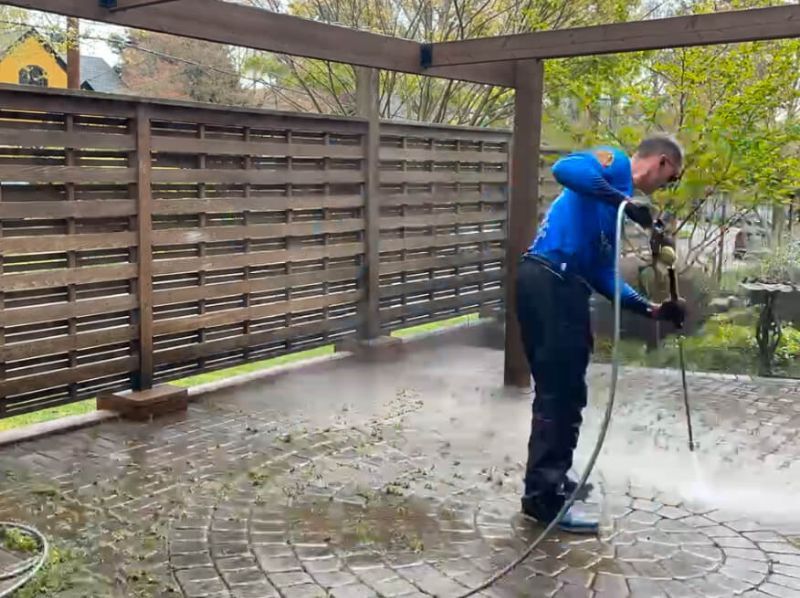
Paver sealing and sanding in Portland is an essential aspect of maintaining the aesthetic appeal and durability of outdoor surfaces. As homeowners invest in their properties, understanding the various sealant types available can significantly affect the longevity and appearance of patios, driveways, and walkways. With the right information, homeowners can make informed decisions that align with their needs and preferences.
This article will provide a detailed comparison of different sealants used in paver sealing and sanding, as well as expert recommendations on maintenance frequency. By the end, readers will have a clearer understanding of how to protect their investments and enhance curb appeal.
Understanding Paver Sealants
Paver sealants serve as a protective layer for pavers, preventing damage from environmental factors and enhancing their appearance. The choice of sealant can significantly impact the performance and longevity of the pavers.
Types of Paver Sealants
There are several types of sealants, each offering unique benefits and applications:
-
Acrylic Sealants: These are water-based and easy to apply. They provide a clear finish that enhances the color of the pavers while protecting against UV rays and water damage. Acrylic sealants are ideal for residential paver care due to their ease of use.
-
Polyurethane Sealants: These sealants offer a more durable and robust protection compared to acrylics. They form a thick, flexible layer that resists abrasion and chemicals. Polyurethane sealants are often recommended for commercial paver services where heavy traffic is expected.
-
Epoxy Sealants: Known for their high strength and adhesion properties, epoxy sealants are suitable for high-traffic areas. They provide a glossy finish and are resistant to stains and chemicals, making them a preferred choice for industrial applications.
-
Penetrating Sealants: These sealants seep into the pavers, providing protection from within. They are particularly effective for porous materials, preventing water and oil from penetrating while allowing the surface to breathe. This type is beneficial for both residential and commercial applications.
Factors to Consider When Choosing Sealants
Selecting the right sealant involves understanding various factors:
-
Traffic Levels: For areas with high foot or vehicle traffic, more durable sealants like polyurethane or epoxy are advisable.
-
Environmental Conditions: Areas prone to extreme weather conditions may require sealants that offer better UV protection and water resistance.
-
Aesthetic Preferences: Homeowners may prefer different finishes, whether matte, glossy, or enhanced color.
-
Maintenance Requirements: Some sealants require more frequent reapplication than others. Understanding these needs can help in planning maintenance schedules.
How Often Should You Seal Your Pavers? Expert Recommendations
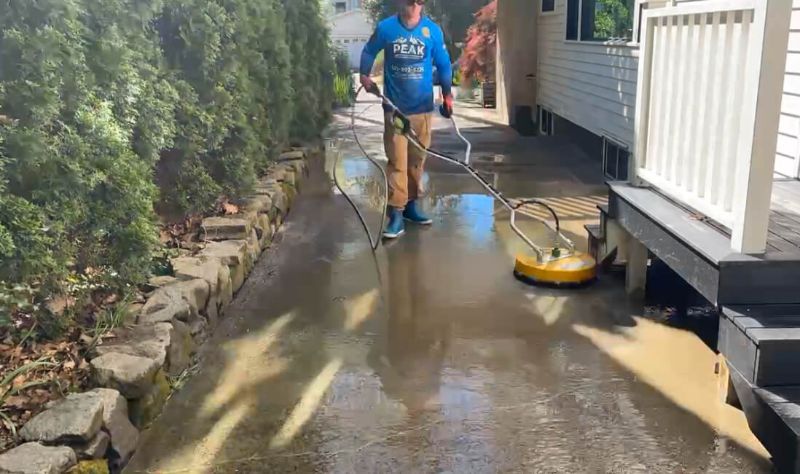
Maintaining the beauty and integrity of pavers through regular sealing is key to prolonging their lifespan. However, the frequency of sealing can vary based on several factors.
General Recommendations
-
Residential Pavers: For residential applications, sealing every two to three years is generally recommended. This timeframe ensures that the protective layer remains effective against weathering and staining.
-
Commercial Pavers: In commercial settings, where pavers experience heavier use, sealing may need to occur annually. This regular maintenance helps maintain a professional appearance and extends the life of the pavers.
-
Environmental Considerations: Factors such as local climate, exposure to sunlight, and the presence of vegetation can influence sealing frequency. For instance, areas with heavy rainfall or intense sun exposure may require more frequent sealing to combat moisture and UV damage.
Signs Your Pavers Need Sealing
Homeowners should be vigilant for signs that indicate the need for resealing:
-
Fading Color: If the vibrancy of the pavers diminishes, it may be time to reapply sealant.
-
Stains: The presence of stains from oil, dirt, or other substances can signal that the protective layer has worn off.
-
Weed Growth: If weeds or moss begin to grow between the pavers, it may indicate that the sealant is no longer effective.
-
Water Absorption: Conduct a water test; if water soaks into the pavers instead of beading up, resealing is necessary.
Common Mistakes to Avoid
When it comes to paver sealing, some common pitfalls can hinder the effectiveness of the process:
-
Skipping Preparation: Proper cleaning and preparation of the surface are essential before applying any sealant. Failure to do so can lead to poor adhesion and uneven coverage.
-
Applying in Poor Weather: Sealants should not be applied during rainy conditions or extreme temperatures. Ideal conditions typically include dry weather and moderate temperatures.
-
Over-application: Applying too much sealant can lead to peeling or bubbling. It’s crucial to follow manufacturer instructions for application rates.
The Benefits of Professional Paver Sealing and Sanding
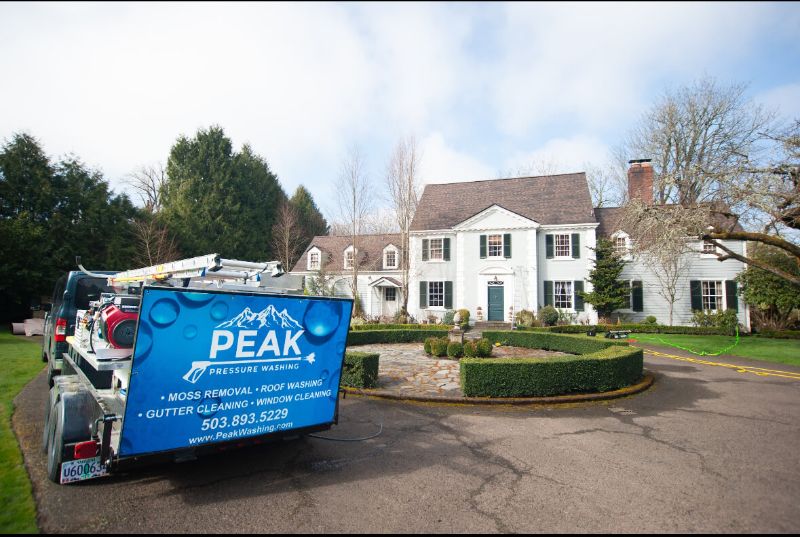
While some homeowners may opt for DIY methods, professional services provide several advantages that can enhance the effectiveness of paver sealing and sanding.
Expertise and Equipment
Professionals bring expertise and specialized equipment to the job, ensuring that the application is done correctly. This reduces the risk of common mistakes and guarantees a high-quality finish.
Time Efficiency
Hiring professionals allows homeowners to save time and effort. Instead of dedicating weekends to labor-intensive tasks, homeowners can focus on enjoying their outdoor spaces.
Long-Term Cost Savings
Investing in professional sealing and sanding may seem more expensive upfront, but it can lead to long-term savings. Proper maintenance can prevent costly repairs and replacements down the line.
Comprehensive Services
Many professional services offer additional options, such as pressure washing and patio restoration, which can further enhance the appearance and longevity of pavers. This integrated approach can simplify maintenance for homeowners.
Choosing the Right Service Provider in Portland
When considering paver sealing and sanding in Portland, selecting the right service provider is crucial. Here are some tips to ensure you make an informed choice:
-
Research Reviews and Ratings: Look for companies with positive customer feedback and high ratings on platforms like Google and Yelp.
-
Request Quotes: Obtain multiple quotes to compare pricing and services offered. This helps ensure you’re getting a fair deal.
-
Check for Certifications: Verify that the company has the necessary licenses and insurance to operate in your area. This protects you from liability in case of accidents.
-
Ask About Experience: Inquire about the provider’s experience specifically with paver sealing and sanding to ensure they have the necessary expertise.
The Intersection of Sealants and Paver Maintenance
Understanding the various types of sealants and their applications is vital for homeowners looking to maintain their properties effectively. Regular paver sealing and sanding not only improve curb appeal but also protect your investment in outdoor surfaces.
Peak Pressure Washing specializes in paver sealing and sanding in Portland, offering expert services tailored to meet your needs. Our knowledgeable team understands the nuances of different sealants and can recommend the best options for your specific situation.
If you’re ready to protect and enhance your outdoor spaces, contact us today for a consultation. Our commitment to quality and customer satisfaction ensures that your pavers will look their best for years to come.