Roof Cleaning and Energy Efficiency in the Pacific Northwest
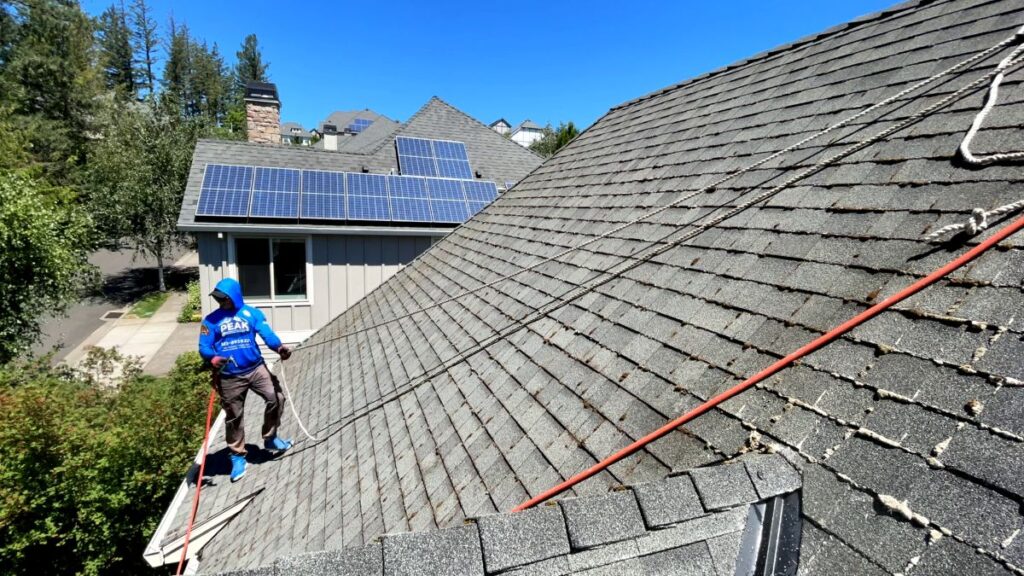
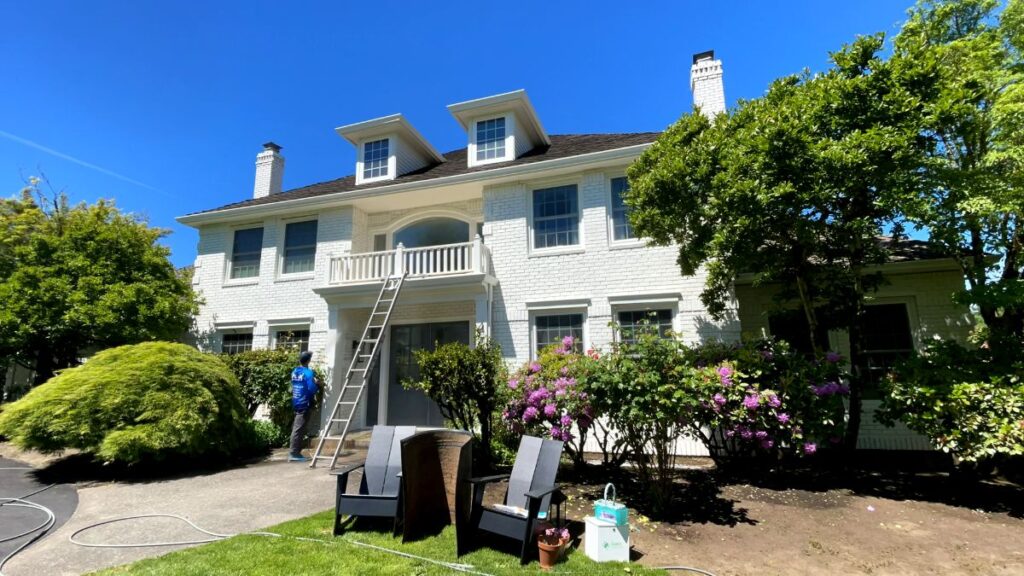
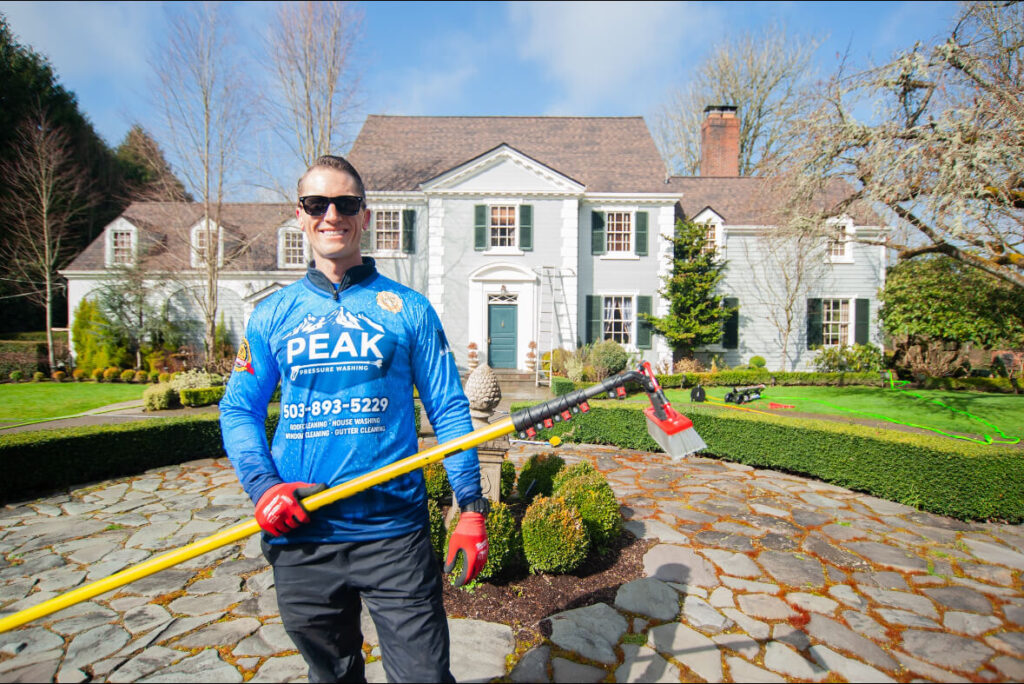
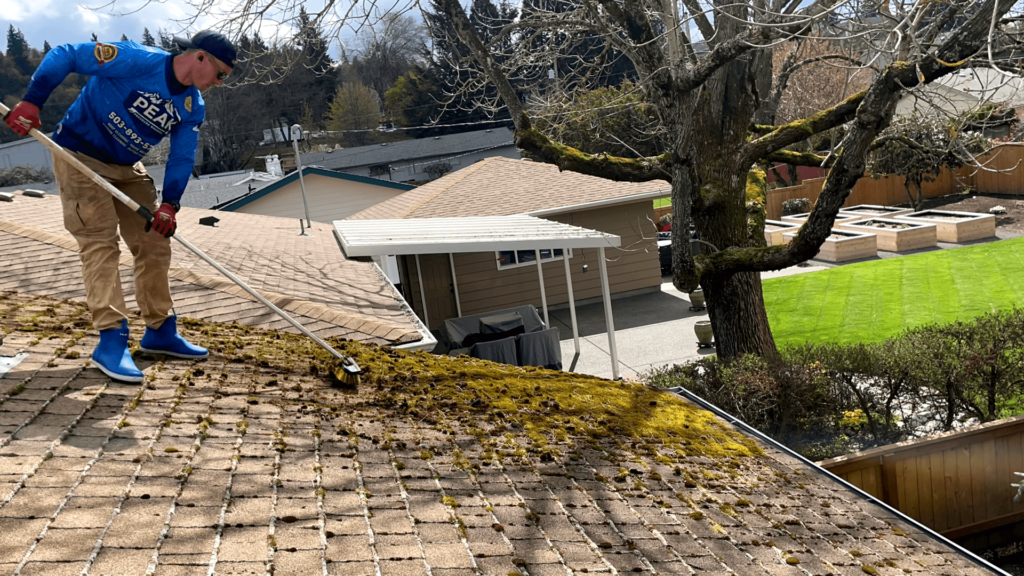
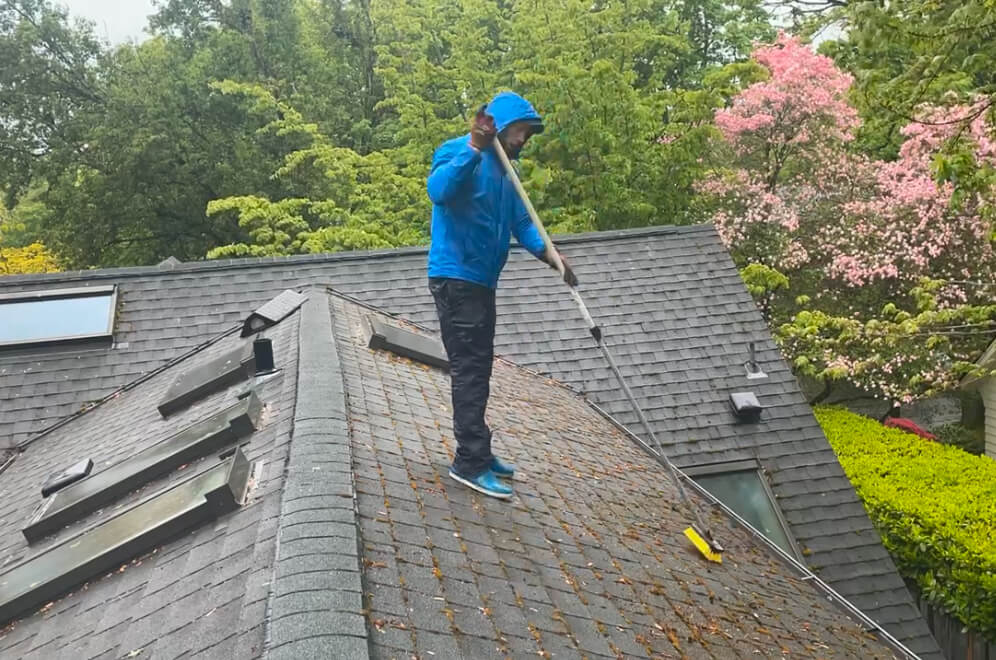
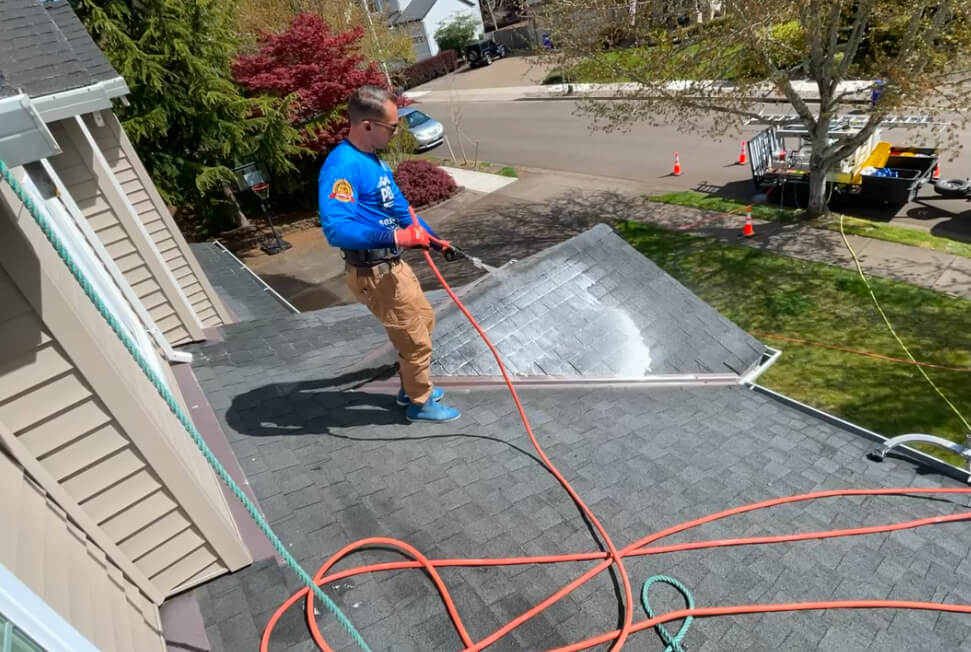
Key Takeaways Energy efficiency starts at the top—literally. In the Pacific Northwest, where homes face year-round moisture, tree debris, and moss buildup, maintaining a clean roof is more than just cosmetic—it directly affects how your home performs. A clean roof reflects more sunlight, reduces indoor heat gain, and helps your home stay cooler in summer. It also protects your insulation from excess moisture and organic buildup that can lead to rot and rising energy bills. Let’s explore how roof cleaning ties into energy performance and how Pacific Northwest homeowners can get the most from their roofs. Why Roof Cleanliness Impacts Energy Efficiency You may not think of your roof as part of your home’s energy system—but it plays a crucial role. Moss, algae, and grime trap heat and moisture, making it harder for your home to regulate temperature. Especially in summer, dirty roofs absorb and retain more heat, forcing your HVAC system to work harder. Here’s what happens when your roof is left unchecked: Regular roof cleaning reduces all of these risks and helps your home operate more efficiently—especially in the variable climate of Oregon and Washington. Soft Washing: The PNW-Friendly Approach to Energy-Efficient Roof Cleaning The safest and most effective cleaning method for roofs in the Pacific Northwest is soft washing—a low-pressure technique that uses biodegradable solutions to remove moss, lichen, and algae without damaging your shingles. Unlike high-pressure methods, soft washing is gentle on roofing materials while still eliminating the biological growth that compromises your roof’s performance. It’s also ideal for treating: The Long-Term Energy Impact of Roof Moss and Debris Moss might look harmless, but it causes real problems: Over time, a roof neglected due to moss buildup can reduce your home’s ability to stay insulated in winter and cool in summer. By removing moss and grime, you restore your roof’s natural performance—improving efficiency and potentially lowering your energy bills. Smart Homeowners Clean Their Roofs on a Schedule How often should you clean your roof? It depends on your environment, but we generally recommend: Peak Pressure Washing offers flexible scheduling and seasonal check-ups to help you keep your roof in peak condition without the guesswork. Roof Cleaning, Solar Panels, and Sustainable Energy Goals If you’ve invested in solar panels, roof maintenance becomes even more critical. Dust, moss, and debris can block solar panel surfaces, cutting energy output by as much as 20–30%. Keeping your roof and panels clean ensures: Whether your system is roof-mounted or integrated into new materials, clean surfaces are key to peak solar performance. Common Questions About Roof Cleaning and Efficiency Does roof cleaning really lower my energy bills?Yes. Clean roofs reflect more sunlight and reduce heat absorption, which can lower air conditioning usage. Is pressure washing safe for all roofs?Not always. That’s why we use soft washing for most residential roofs. High-pressure washing can damage certain materials. What’s the difference between pressure washing and soft washing?Pressure washing uses high-force water. Soft washing combines low pressure with eco-friendly cleaners to remove moss, grime, and stains safely. Can I clean my roof myself?It’s not recommended. The risk of injury and damage is high. Let trained professionals handle the work. What type of roofs benefit most from regular cleaning?All roofs benefit, but especially asphalt, composite, and tile roofs in tree-heavy, wet environments like the Pacific Northwest. Looking Ahead: The Role of Roof Cleaning in Eco-Friendly Homes With green building practices and smart home systems on the rise, roof cleaning is becoming part of a larger movement. A clean roof boosts energy performance, protects home value, and supports sustainability goals. Peak Pressure Washing is proud to be a trusted provider of eco-conscious roof maintenance throughout Oregon and Washington. We help homeowners take care of their roofs the right way—with the right tools, the right methods, and a deep understanding of local conditions. Let’s make your roof work for you, not against you. Contact us today to learn more or schedule your next cleaning service.
Roof Cleaning and Energy Efficiency in the Pacific Northwest Read More »