Edit Template

Uncategorized

How Often Should You Clean Your Fence and Concrete Surfaces?

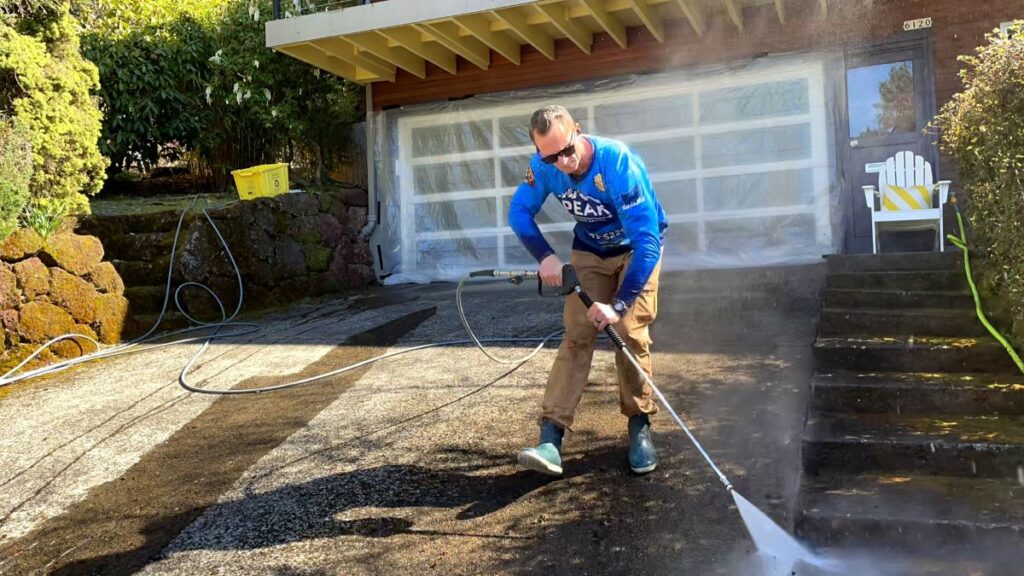
Key Takeaways Fences and concrete surfaces are among the first features people notice when visiting a home or business. Over time, exposure to weather, organic buildup, and daily wear can take a toll on their appearance and functionality. Regular cleaning not only preserves aesthetics but also extends the life of these surfaces. In climates with high humidity or seasonal moisture—such as in the Pacific Northwest—mildew, algae, and moss can quickly accumulate. Dirt buildup and staining from leaves, pollution, and animals can further reduce the appeal and safety of your outdoor areas. Neglecting these surfaces often leads to costly repairs or premature replacements. Fence Cleaning Frequency by Material Wooden Fences Wood is vulnerable to organic growth, rot, and UV damage. Cleaning it at least once a year is recommended to: Vinyl Fences Vinyl requires less frequent cleaning but still benefits from attention every 1–2 years: Metal Fences Wrought iron and aluminum should be cleaned every 2–3 years: Environmental factors like tree cover, sprinklers, and proximity to busy roads can increase the need for more frequent cleaning across all materials. How Often Should You Clean Concrete Surfaces? Concrete is porous, meaning it easily absorbs moisture and stains. Seasonal cleaning helps maintain both appearance and longevity: Signs your concrete needs cleaning include discoloration, slippery surfaces, cracks, or a dull finish. Proactive seasonal care minimizes deterioration and ensures safety. Choosing the Right Cleaning Method Pressure Washing An efficient way to restore large surface areas quickly. Best suited for: However, pressure washing requires the right settings to avoid damage—especially on wooden or older surfaces. Too much force can erode materials or cause splintering. Soft Washing A low-pressure cleaning technique that uses eco-friendly detergents to lift dirt and organic material. Ideal for: Soft washing offers a safer alternative for more delicate materials and reduces the risk of damage from high pressure. Avoiding DIY Pitfalls While cleaning your fence or concrete surface may seem straightforward, DIY approaches often fall short. Mistakes include: Instead of risking damage or subpar results, many homeowners prefer to trust professionals who understand how to tailor methods to the material, condition, and local climate. Cleaning Products: What Works and What to Avoid Not all cleaning products are created equal. Choosing the wrong solution can harm surfaces or surrounding vegetation. Recommended: Avoid: Always spot test before full application and follow safety instructions, including using gloves and eye protection. Benefits of Professional Cleaning Professional pressure washing services offer more than just surface-level improvement. By hiring experienced technicians, homeowners and businesses benefit from: Peak Pressure Washing delivers dependable service and expert knowledge in caring for outdoor surfaces across Oregon. Their cleaning techniques are customized to each property’s needs, ensuring your fence and concrete areas remain clean, safe, and well-maintained year-round. Maintaining Your Outdoor Surfaces Clean fences and concrete areas reflect well on your property’s upkeep and value. With the right schedule and professional support, these surfaces can remain attractive and functional for years to come. Instead of struggling with inconsistent DIY routines, entrust your exterior maintenance to experts who understand the materials, local conditions, and most effective techniques. Peak Pressure Washing is ready to help you preserve the integrity and appearance of your outdoor spaces with reliable cleaning and care. FAQs How do I know when it’s time to clean my fence or concrete?Look for visible discoloration, moss, algae, or slipperiness. Annual or seasonal cleaning is often enough, but increased buildup or stains may require more frequent attention. Can pressure washing damage wood?Yes. High pressure can cause splintering or gouging in wood. Soft washing is a better alternative for wooden fences. What’s the best time of year to clean exterior surfaces?Spring and fall are ideal for thorough cleanings. Summer is perfect for sealing and protecting surfaces. Do I need to seal my concrete every year?Most sealed concrete surfaces benefit from resealing every 2–3 years, depending on traffic and exposure. Can I clean my fence without chemicals?Water alone may not remove mildew or grime effectively. Eco-friendly cleaners are a safer and more effective option for thorough cleaning.

How Often Should You Clean Your Fence and Concrete Surfaces? Read More »
How Long Does Paver Sealing Last, and When Should You Reseal Your Surface?

Key Takeaways Paver sealing is a vital part of protecting outdoor surfaces like driveways, patios, and walkways from wear, stains, and weather damage. In general, sealants can last anywhere from two to five years, depending on the type used and the conditions your pavers face. For example: If your pavers are in a shaded, low-traffic area, you might get closer to the five-year mark. But in areas with high exposure and frequent use, a two- to three-year resealing cycle is often more realistic. Signs It Might Be Time to Reseal Waiting too long between reseals can lead to issues like staining, moss growth, or paver degradation. Here are signs that your surface may need attention: These symptoms usually mean the protective layer has worn off, leaving your surface vulnerable to weather and organic growth. Types of Paver Sealants and Their Durability Not all sealants are created equal. Here are three common types: 1. Penetrating Sealers These soak into the surface and provide internal moisture resistance without changing the appearance. Best for: Lifespan: 2–3 years 2. Film-Forming Sealers These create a visible barrier and often leave a gloss or wet look. Ideal for: Lifespan: 3–5 years (with proper prep and application) 3. Hybrid Sealers These combine elements of both penetrating and film-forming sealers for balanced protection and aesthetics. Lifespan: 3–4 years Choosing the right product depends on the type of pavers, desired appearance, and exposure to traffic or elements. Professionals often help match sealant types to your specific surface conditions. Seasonal Considerations for Resealing Timing your reseal project is just as important as the materials you choose. The best seasons to reseal are spring and fall when: Extreme heat can cause sealers to cure too quickly, while moisture can interfere with proper bonding. Planning around weather ensures the longest possible performance from your application. Material-Specific Factors That Affect Sealing Different materials absorb sealants differently. Here’s how that impacts durability: Proper prep and surface compatibility are key to getting the most out of your sealant, no matter the material. Why Professional Paver Sealing Is Worth It While DIY kits may seem tempting, improper application can lead to uneven coverage, early failure, and even surface damage. Professional services can help with: Peak Pressure Washing offers experienced paver sealing and sanding services designed for Oregon’s weather patterns and surface types. Their process ensures your surface not only looks great but holds up for years to come. Creating a Long-Term Paver Maintenance Plan Regular resealing is just one piece of the puzzle. Consider pairing it with other upkeep habits: Taking a proactive approach prevents problems and keeps your outdoor areas in top shape. FAQs How often should I reseal my pavers?Typically every 2–5 years, depending on traffic and weather exposure. What happens if I skip resealing?You may see increased staining, moss growth, weed intrusion, and overall surface deterioration. Is there a specific time of year that’s best for resealing?Yes—spring or fall, when the weather is mild and dry. Can I reseal pavers myself?It’s possible, but not always recommended. Professionals ensure proper cleaning, prep, and application for lasting results. How long does the sealing process take?Typically 1–3 days, including surface preparation and drying time. Sealing your pavers isn’t just about aesthetics—it’s about long-term protection. Knowing when and how to reseal can save you money, extend the life of your hardscapes, and maintain your home’s curb appeal. Working with trusted professionals like Peak Pressure Washing ensures the job is done right the first time, maximizing your investment for years to come.

How Long Does Paver Sealing Last, and When Should You Reseal Your Surface? Read More »

Key Reasons to Seal and Sand Pavers the Right Way

Key Takeaways Your driveway, patio, or walkway plays a huge role in first impressions. Paver installations can significantly elevate curb appeal, but without routine care, they quickly lose their visual and structural integrity. Sealing and sanding are two crucial components in maintaining not just the appearance but also the longevity of these surfaces. Proper sealing shields your pavers from common enemies—UV damage, freeze-thaw cycles, moisture penetration, and staining. At the same time, joint sanding keeps the individual pavers locked in place, minimizing weed growth and structural shifting over time. When done right, these two practices help preserve your paver investment and make maintenance easier. How Sealing Enhances Surface Durability and Appearance Paver sealant acts as a barrier against water, oil, dirt, and the sun’s harmful rays. This protection reduces fading and discoloration and also prevents cracks and erosion caused by water seeping into the surface. For homes in Oregon, where rainy seasons are frequent, this added protection becomes especially critical. Beyond protection, sealants can boost color vibrancy. A freshly sealed patio or driveway tends to look newer and cleaner. Many homeowners opt for sealants with a glossy or satin finish to amplify visual appeal, making the space feel more polished. Benefits of Paver Sealing: The Role of Joint Sanding in Paver Stability Joint sanding is the process of filling the gaps between pavers with specialized sand to provide structural support. This sand helps keep pavers locked in place, preventing them from shifting, settling unevenly, or becoming dislodged. Polymeric sand, a popular choice for modern applications, contains binding agents that harden when moistened, forming a tight seal between joints. This not only helps with stability but also deters weed growth and insect burrowing. Why Joint Sanding Matters: Choosing the Right Sealant for Your Environment Selecting the right sealant depends on multiple factors, including climate, paver material, and traffic levels. Oregon’s climate, known for its wet winters and fluctuating temperatures, demands a high-performance sealant. Common Sealant Types: High-traffic areas such as driveways may benefit from solvent-based sealants due to their toughness, while patios and decorative areas might be fine with a water-based product that offers a more natural finish. Surface Preparation: Where Many DIY Efforts Fail Proper prep work is non-negotiable when it comes to paver sealing. Any dirt, moss, or grime left on the surface can interfere with adhesion, leading to uneven finishes or reduced effectiveness. Basic Prep Steps: Skipping these steps—especially drying time—can cause premature sealant failure or a cloudy, blotchy appearance. Peak Pressure Washing uses professional-grade equipment and surface-safe cleaning agents to ensure your pavers are thoroughly prepared before sealing and sanding. This foundation ensures better, longer-lasting results. Mistakes to Avoid with Paver Maintenance Even well-intentioned efforts can lead to disappointing results if not handled properly. Here are common missteps to steer clear of: Why Hiring a Professional Is Worth It While DIY kits are available, paver sealing and sanding are not beginner-friendly tasks. Inconsistent application, improper prep, or product mismatches can lead to poor outcomes or damage. Hiring a professional ensures the job is done with precision, using the right materials and techniques for your specific space. Professionals also understand how to navigate tricky surfaces, weather timing, and specific joint conditions that might not be obvious to the untrained eye. By working with experts like Peak Pressure Washing, you gain peace of mind—and better, longer-lasting results. Frequently Asked Questions How often should pavers be sealed? Every 2–3 years is ideal, though frequency can vary depending on exposure, traffic, and climate. What happens if I don’t seal my pavers? They may fade, shift, develop weed growth, and become vulnerable to moisture and stains. Can I seal my pavers myself? It’s possible, but not recommended. The margin for error is high, and improper sealing can lead to more problems than it prevents. How long does the process take? Depending on weather, size of the area, and drying times, sealing and sanding can take 1–2 days. Do I need to reseal if I recently had sanding done? Yes—sanding and sealing work best when done together, ensuring protection and joint stability. A well-maintained paver surface doesn’t just look good—it functions better and lasts longer. For homeowners in Oregon, where rain and natural debris are frequent concerns, sealing and sanding are essential parts of outdoor upkeep. Peak Pressure Washing offers professional-grade paver sealing and sanding that keeps your surfaces beautiful, safe, and built to last.

Key Reasons to Seal and Sand Pavers the Right Way Read More »

Why Proper Paver Sealing and Sanding Is Essential for Long-Lasting Curb Appeal

Key Takeaways Pavers are a beautiful addition to any property, but Oregon’s climate poses a constant challenge. Between rain, snow, sun exposure, and foot traffic, unsealed pavers can fade, crack, or shift over time. That’s where sealing and sanding come in. Sealing creates a protective barrier that defends against moisture, stains, and UV damage. Meanwhile, sanding fills the joints between pavers to stabilize the surface and prevent weed growth. Together, these two services help extend the lifespan and preserve the appearance of your hardscaped areas. How Oregon Weather Impacts Pavers Living in the Pacific Northwest means contending with: Without proper protection, pavers can degrade quickly in these conditions. Sealing combats these elements by forming a water-resistant, UV-blocking layer. Top Benefits of Sealing and Sanding Your Pavers Common Misconceptions About Paver Sealing Many homeowners mistakenly believe that sealing is purely cosmetic. In reality, it plays a functional role in protecting your surfaces. Others think sealing needs to be done only once, but reapplication every few years is often necessary depending on wear and environmental exposure. Additionally, some assume sealing makes surfaces slippery. In truth, quality sealants are formulated with anti-slip properties that maintain traction while enhancing appearance. Why Sanding Matters as Much as Sealing While sealing gets the spotlight, sanding is just as critical. Without fresh joint sand, your pavers are vulnerable to shifting, weed intrusion, and water damage. Polymeric sand, in particular, offers long-lasting joint stability by hardening when activated with water. It’s this combination of sealing and sanding that ensures a durable, low-maintenance outdoor surface. Why Hiring Professionals Is Worth It While DIY kits are available, improper application can lead to uneven finishes, sealant haze, or worse—trapped moisture that accelerates damage. Professionals like Peak Pressure Washing have the tools, training, and surface prep techniques to ensure proper cleaning, sanding, and sealing. The result? A clean, protected, and professionally finished space that stands up to Oregon’s weather. Advantages of professional paver sealing and sanding include: Signs It’s Time to Reseal Your Pavers Most paver surfaces should be resealed every 2–3 years. If your hardscape is exposed to high traffic or harsh elements, more frequent maintenance may be necessary. Frequently Asked Questions How long does sealed paver protection last? Depending on climate and usage, expect the sealant to last 2–3 years before needing a reapplication. Does sanding need to be done every time you reseal? Not always. If joints remain full and stable, sanding may not be required during every reseal. However, if gaps appear, re-sanding is essential. Will sealing make my pavers look shiny? That depends on the type of sealant. Some finishes offer a glossy look, while others provide a more natural matte appearance. Can sealing help with slippery surfaces? Yes. Certain sealants contain additives that enhance traction, making sealed surfaces safe even when wet. Maintain Beautiful Outdoor Spaces With Help From Professionals Proper paver sealing and sanding are essential to keeping your outdoor surfaces safe, functional, and beautiful. Instead of waiting for fading, shifting, or weeds to take over, proactive care ensures your hardscape stays in peak condition. Peak Pressure Washing offers expert paver sealing and sanding services tailored to Oregon homes. With the right maintenance plan, your pavers can continue adding curb appeal and value for years to come.

Why Proper Paver Sealing and Sanding Is Essential for Long-Lasting Curb Appeal Read More »

Why a Professionally Cleaned Deck Is the Key to Summer Enjoyment

Key Takeaways As the sun finally peeks out and temperatures rise, your deck becomes a hub for barbecues, family gatherings, and relaxing evenings. But before you roll out the grill or lay down the patio furniture, ensuring your deck is clean, safe, and ready for summer isn’t just about looks. It’s about protection, value, and longevity. In Oregon, where damp weather contributes to fast-growing mold, moss, and algae, decks face more than surface-level grime. These contaminants can eat away at materials, cause slippery conditions, and significantly reduce the lifespan of your outdoor space. Why Oregon Decks Need Special Attention Unlike drier climates, Oregon homes experience prolonged wet seasons and limited sunlight—a perfect combination for biological growth on horizontal surfaces like decks. These issues don’t just affect appearance; they lead to: The solution isn’t just routine sweeping. It requires professional-grade soft washing or pressure washing that targets deep-rooted grime without damaging the material. The Problem With DIY Deck Cleaning It might seem cost-effective to clean your deck yourself, but there are limitations and risks that often outweigh the benefits. Here’s why: Instead of guessing the best method, hiring professionals ensures your deck is treated with the right pressure, technique, and cleaning agents for its material. Smart Maintenance Tips for the Summer Season While deep cleaning should be left to professionals, homeowners can still maintain their decks throughout the summer with these habits: Professional cleaning lays the foundation. Routine upkeep maintains it. The Role of Soft Washing in Deck Preservation Not all deck materials can handle high-pressure washing. In fact, many Oregon decks benefit more from soft washing—a low-pressure cleaning method that uses biodegradable solutions to lift contaminants. Benefits of Soft Washing: Peak Pressure Washing specializes in using soft washing where appropriate, ensuring your deck gets the deep clean it needs without unnecessary wear. When to Schedule Your Deck Cleaning in Oregon Timing matters. The best seasons for deck cleaning in Oregon are: By aligning your cleaning schedule with seasonal changes, you can extend your deck’s lifespan and keep it looking great year-round. Why Deck Cleaning Is a Smart Investment Decks are a major feature in home value—especially in outdoor-loving Oregon. A clean deck enhances curb appeal and signals to buyers that the home has been well cared for. Professional cleaning is more than a cosmetic upgrade—it’s proactive home maintenance. FAQs About Summer Deck Cleaning How often should I have my deck professionally cleaned? Once a year is generally enough for most Oregon decks, ideally in late spring or early fall. However, shaded or tree-covered decks may require more frequent care. Can I pressure wash my deck myself? It’s not recommended unless you have experience. Incorrect pressure or nozzles can cause irreversible damage. Is soft washing safe for all deck types? Yes, soft washing is safe for most materials including wood, composite, and vinyl—especially when done by professionals who understand the proper techniques. Will cleaning remove old stains and discoloration? In many cases, yes. Professional cleaners use targeted solutions that break down stains and biological growth. Does professional cleaning use eco-friendly products? Reputable services like Peak Pressure Washing use biodegradable, plant-safe solutions. Enjoy your deck the way it was meant to be—safe, clean, and summer-ready. With professional cleaning tailored for Oregon’s unique climate, you can relax knowing your outdoor space is in good hands. Let Peak Pressure Washing help you get there.

Why a Professionally Cleaned Deck Is the Key to Summer Enjoyment Read More »

What Happens When You Skip Deck Cleaning for Too Long

Key Takeaways A neglected deck doesn’t just look bad; it becomes a safety risk and a money pit. Oregon homeowners often underestimate how fast moisture, organic debris, and microbial growth can take over. That charming outdoor retreat can quickly transform into a slippery, weakened structure that threatens both your home’s appeal and your family’s safety. Understanding what happens when you skip regular cleaning helps you make informed decisions about maintenance and protect your investment for the long haul. The Hidden Risks of Skipping Deck Cleaning 1. Mold and Mildew Buildup Oregon’s rainy conditions are ideal for mold and mildew. These fungi thrive on damp wood, making your deck both unsightly and hazardous. Over time, buildup can: 2. Wood Rot and Structural Decay Moisture seeps into unprotected wood, leading to rot. Once the wood begins to soften and decay, structural components like joists and support beams weaken. Left unchecked, this could require full deck replacement. 3. Pest Infestation A dirty, damp deck attracts wood-loving insects like termites and carpenter ants. These pests can quietly cause extensive damage under the surface. 4. Lower Property Value An unkempt deck reduces curb appeal and can hurt your resale value. Homebuyers view visible damage or neglect as signs of larger maintenance problems. The Oregon Climate Makes It Worse In the Pacific Northwest, decks endure more moisture exposure than in drier regions. Frequent rain, fog, and tree cover mean your deck likely never gets a proper chance to fully dry out. This allows moss and mildew to thrive for extended periods and accelerates wood degradation. In fact, even treated lumber will eventually deteriorate if it’s not properly cleaned and maintained. For homeowners in Oregon, annual or biannual cleanings aren’t optional—they’re essential. Signs Your Deck Needs Immediate Attention Watch for these red flags: The earlier you catch these issues, the easier they are to fix. Routine cleaning ensures your deck remains a safe and beautiful space year-round. Why Routine Cleaning Is an Investment, Not a Chore Professional cleaning helps you: What seems like a minor cosmetic issue can turn into structural damage costing thousands of dollars. A clean deck isn’t just about aesthetics—it’s about preserving one of your home’s most functional outdoor spaces. Avoid DIY Pitfalls: Let Experts Handle the Job DIY cleaning might seem like a weekend project, but without proper tools and know-how, it can cause more harm than good. High-pressure washers can gouge wood. Over-the-counter chemicals may strip finishes or damage plants nearby. Inexperienced handling can even accelerate rot by driving moisture deeper into the boards. That’s why many Oregon homeowners rely on deck cleaning services by professionals like Peak Pressure Washing. These methods combine the right pressure and cleaning agents to remove grime, mildew, and algae without damaging your deck. Cleaning Frequency: How Often Is Enough? There’s no universal schedule, but general recommendations include: Sticking to a regular cleaning plan ensures that minor buildup doesn’t turn into long-term damage. Think of it like an annual check-up for your home’s outdoor areas. The Long-Term Payoff Letting your deck fall into disrepair can lead to total reconstruction, which can cost thousands of dollars. Compare that to affordable professional cleanings that catch problems early and preserve your deck for years. Plus, a clean deck enhances outdoor living and entertaining area. Whether you’re hosting guests or enjoying quiet evenings, it’s one of the most visible and used extensions of your home. Frequently Asked Questions Is pressure washing safe for wood decks?Yes, but only when done properly. Soft washing or low-pressure techniques are recommended to avoid damaging the surface. Can mold damage the structure of my deck?Absolutely. Mold and mildew trap moisture, which accelerates rot and weakens support structures. Do I need to clean a composite deck too?Yes. While composite materials resist rot, they can still develop stains, algae, and slippery surfaces. How do I know it’s time to clean?Look for dark spots, musty odors, or slippery surfaces. These are all signs of mold, algae, or mildew. Can deck cleaning help with home resale?Definitely. A clean, well-maintained deck boosts curb appeal and sends a message of responsible homeownership. A neglected deck can become more than just an eyesore—it can be a safety hazard and a costly problem. Peak Pressure Washing helps Oregon homeowners protect their outdoor spaces through expert cleaning services that remove damaging buildup and extend the life of your deck.

What Happens When You Skip Deck Cleaning for Too Long Read More »

Why a Clean Deck Adds More Value Than You Think

Key Takeaways When it comes to boosting your home’s value, many homeowners focus on kitchens, bathrooms, or landscaping—but your deck plays a much bigger role than most people realize. A clean, inviting outdoor space can influence a buyer’s first impression, increase usable living space, and even raise appraisal figures. On the flip side, a dirty or poorly maintained deck can send the wrong message: neglect, hidden damage, and potential repair costs. In competitive markets, that perception can lower offers and slow down sales. Why Oregon Decks Are Especially Vulnerable Oregon homeowners face a unique challenge when it comes to deck maintenance. The region’s combination of frequent rainfall, cool temperatures, and shade from surrounding trees creates ideal conditions for unwanted growth. Common Contaminants in the Pacific Northwest: These conditions not only impact the look of your deck, but they also degrade the structural integrity over time. That’s why maintenance in this climate isn’t optional—it’s essential. How a Clean Deck Enhances Buyer Appeal First impressions matter. When a potential buyer walks up to a home and sees a clean, well-maintained deck, it suggests the rest of the house is just as cared for. Benefits to Curb Appeal and Marketability: Even if you’re not planning to sell anytime soon, improving your home’s perceived value can affect refinancing, insurance assessments, and neighborhood reputation. Long-Term Cost Savings Through Regular Cleaning Skipping deck maintenance doesn’t just affect aesthetics—it leads to larger expenses down the line. Moisture trapped beneath moss or mildew can cause rot, split wood, and even compromise the support structure. Cleaning Helps You Avoid: By investing in cleaning every 12 to 18 months, homeowners can significantly extend the life of their deck materials and prevent major repair bills. The Role of Professional Cleaning in Deck Preservation While it might be tempting to grab a hose and scrub brush, DIY cleaning methods often fall short—especially in wet climates. Using too much pressure or the wrong chemicals can do more harm than good. Why Hire a Professional: Peak Pressure Washing has extensive experience with Oregon decks, offering a balance of technical expertise and climate-specific care to protect your home. When to Schedule Deck Cleaning in Oregon Timing matters when it comes to cleaning your outdoor surfaces. Oregon’s fluctuating seasons mean you should choose windows of relatively dry weather for the best results. Ideal Cleaning Periods: Scheduling during these periods ensures your deck dries properly and stays clean longer. Local professionals understand the regional patterns and can recommend the right timing. Complementary Maintenance Tips for Homeowners In between professional cleanings, there are a few small actions you can take to help prolong the lifespan of your deck: While these won’t replace a professional cleaning, they contribute to the overall health of your outdoor space. Frequently Asked Questions How often should I clean my deck in Oregon? Once every 12 to 18 months is ideal, but more frequently if your property is surrounded by trees or has poor sunlight. Can pressure washing damage a wooden deck? Yes. High pressure can gouge or splinter wood. Professionals use soft washing methods to clean safely. Will deck cleaning remove mold and mildew stains? Yes. Soft washing with the right solutions breaks down mold, mildew, and algae effectively. Does a clean deck really impact home value? Absolutely. Clean, well-maintained decks boost curb appeal and show buyers the property has been well cared for. Is deck cleaning safe for pets and plants? When done professionally, yes. The use of eco-safe products ensures no harm to your landscaping or furry friends. A clean deck is more than a nice-to-have—it’s a reflection of your home’s overall care and quality. In a wet climate like Oregon’s, staying ahead of moss and mold is essential to preserving your investment. Peak Pressure Washing offers Oregon homeowners the expertise, safety, and environmental care needed to keep outdoor spaces clean, strong, and ready for any season.

Why a Clean Deck Adds More Value Than You Think Read More »

Top 7 Ways the Role of Humidity Affects Plant and Moss Dynamics

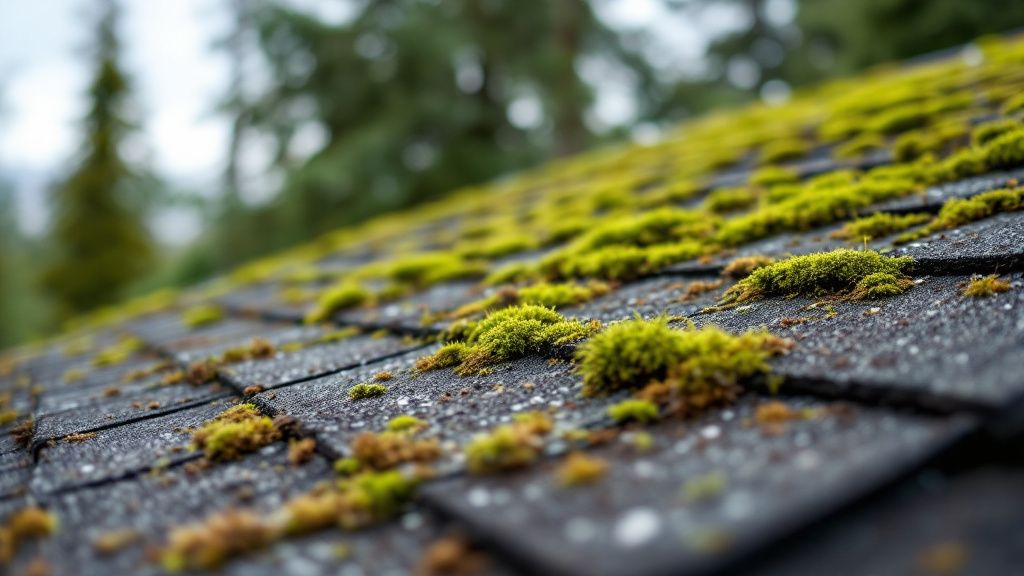
The relationship between humidity and plant dynamics is a topic of increasing interest as environmental conditions fluctuate due to climate change. Understanding the role of humidity in plant and moss dynamics is critical for gardeners, landscapers, and environmentalists. This article explores how moisture levels impact plant growth, moss ecology, and overall plant health while addressing common misconceptions and providing actionable insights. Understanding Humidity and Its Importance Humidity refers to the amount of water vapor present in the air. It significantly influences various environmental factors that affect plant health and moss growth. Different plants and moss species have adapted to specific humidity levels, which dictate their growth patterns, survival strategies, and ecological roles. The Science Behind Humidity Humidity is typically expressed as a percentage, indicating the current moisture level in the air relative to the maximum it can hold at a given temperature. High humidity levels can lead to increased transpiration in plants, affecting their nutrient uptake and overall growth. Conversely, low humidity can stress plants, making them more susceptible to diseases and pests. Humidity Effects on Plant Growth Plants require certain moisture levels for optimal growth. The role of humidity in plant and moss dynamics becomes evident when examining how various species respond to changing moisture conditions. For instance, tropical plants thrive in high humidity, while succulents are adapted to arid environments. How Humid Climates Contribute to Roof Moss Growth In regions with high humidity, mosses often flourish on rooftops, which can lead to various complications for homeowners. The moisture retention on roof surfaces provides an ideal habitat for different moss species. Best practices for roof cleaning can help manage these issues effectively. Understanding Moss Ecology on Roofs Mosses are non-vascular plants that thrive in moist environments. They absorb water directly from the air and can survive in low-nutrient conditions. This adaptability allows them to colonize rooftops, especially those that do not receive adequate sunlight or airflow. Factors Contributing to Moss Growth on Roofs Several environmental factors contribute to the growth of moss on roofs in humid climates: Why Moss on Roofs Should Be Cleaned Regularly Regular cleaning of roofs is essential to prevent moss buildup, which can lead to significant structural damage over time. Understanding the implications of neglecting roof maintenance is crucial for homeowners. Potential Damage Caused by Moss Moss can retain moisture against roof surfaces, which can accelerate wear and tear. Over time, this can lead to: Benefits of Regular Roof Cleaning Maintaining a clean roof not only extends its lifespan but also enhances the overall appearance of a property. Regular cleaning can: Signs of Moss Damage on Different Roof Types Different roof materials can exhibit varying signs of moss damage. Recognizing these signs is vital for timely intervention and maintenance. Asphalt Shingles Asphalt shingles can become warped or dislodged due to moss growth. Homeowners should look for: Wood Shingles Wooden roofs are particularly vulnerable to moss damage due to their organic composition. Signs include: Metal Roofs While metal roofs are less prone to moss growth, they can still be affected. Signs to watch for include: Best Time to Remove Moss Based on Weather Conditions Timing is crucial when it comes to effective moss removal. Understanding the best weather conditions for cleaning can enhance the effectiveness of the process. Optimal Weather Conditions for Moss Removal The ideal conditions for removing moss are: Seasonal Considerations Different seasons offer unique opportunities for moss removal: How Professional Roof Cleaning Addresses Moss Issues Engaging professional roof cleaning services can yield significant benefits, ensuring that moss issues are handled effectively and safely. Advantages of Professional Services Professional roof cleaners have the expertise and equipment necessary for thorough moss removal. Key benefits include: DIY vs. Professional Cleaning While some homeowners may consider DIY cleaning, the risks associated with inadequate techniques can lead to more significant problems. Weighing the pros and cons is crucial: Conclusion The role of humidity in plant and moss dynamics is pivotal, influencing not just plant growth and health but also the maintenance of structures like roofs. Understanding how humidity affects moss growth and recognizing the signs of damage can help homeowners make informed decisions about roof maintenance. Regular cleaning, especially in humid climates, is essential to prevent structural damage and preserve aesthetic appeal. By considering professional cleaning services, homeowners can ensure that their roofs remain in optimal condition while minimizing risks associated with moss buildup.

Top 7 Ways the Role of Humidity Affects Plant and Moss Dynamics Read More »

Understanding Roof Types And Their Cleaning Needs

Maintaining the integrity of your roof is crucial not only for aesthetics but also for the longevity of your entire home. As the first line of defense against the elements, roofs endure a lot of wear and tear, and regular cleaning is essential to prevent damage. However, not all roofs are created equal, and understanding the various roof types and their specific cleaning needs is critical. This article explores the ins and outs of roof cleaning, highlighting various roof types, their upkeep needs, and why professional cleaning matters. Why Different Roof Types Require Different Cleaning Methods Each type of roofing material comes with its own set of characteristics, which influence how they should be cleaned. Understanding these differences can help homeowners make informed decisions about maintenance, ultimately saving time and money. Material Composition and Cleaning Compatibility The primary reason different roof types require distinct cleaning methods is the composition of the materials involved. For instance, asphalt shingles are sensitive to high-pressure washing, which can strip away granules and lead to premature wear. Conversely, tile roofs are more robust but can be fragile, requiring gentle cleaning techniques to avoid cracking. Environmental Factors and Their Impact Another factor influencing cleaning methods is the local environment. Roofs in humid climates may develop moss and algae more quickly, necessitating a different approach than roofs in drier areas. Additionally, roofs in heavily wooded regions may accumulate debris more rapidly, requiring frequent cleaning to prevent damage. Common Roof Types and How to Clean Them Understanding how to clean various roof types effectively can prevent damage and extend their lifespan. Below are common roof types along with tailored cleaning techniques. Asphalt Shingle Roof Cleaning Asphalt shingles are one of the most popular roofing materials due to their affordability and ease of installation. However, they can be susceptible to algae and moss growth, which can lead to discoloration and deterioration. Cleaning Techniques for Asphalt Shingles Tile Roof Maintenance Tile roofs, often made from clay or concrete, are known for their durability and aesthetic appeal. However, they can accumulate dirt, moss, and algae, requiring specific maintenance techniques. For comprehensive cleaning solutions, consider professional roof cleaning services near you. Cleaning Techniques for Tile Roofs Metal Roof Cleaning Tips Metal roofs are increasingly popular due to their longevity and energy efficiency. However, they require regular maintenance to prevent rust and corrosion. Cleaning Techniques for Metal Roofs What Happens When Roofs Aren’t Cleaned Properly Neglecting roof maintenance can lead to a variety of issues that can compromise the structure and safety of your home. Structural Damage and Roof Lifespan When roofs are not cleaned regularly, debris can accumulate, leading to water pooling and eventual leaks. Over time, this can cause structural damage, which may require costly repairs or even a full roof replacement. Health Risks In addition to structural damage, unclean roofs can pose health risks. Algae and moss can release spores that may affect indoor air quality, leading to respiratory issues for inhabitants. When to Call a Professional Roof Cleaner vs. DIY Deciding whether to hire professional roof cleaning services or tackle the job yourself depends on various factors, including safety, expertise, and the condition of the roof. Signs It’s Time to Call a Professional If your roof is significantly stained, covered in moss, or if you are unsure of the best cleaning method, it may be time to call in experts. Professional cleaners have the equipment and knowledge to handle various roof types safely. DIY Cleaning Considerations If you choose to clean your roof yourself, ensure you have the right tools and understand the specific requirements for your roof type. How Professional Roof Cleaning Extends Roof Lifespan Investing in professional roof cleaning services can significantly extend the lifespan of your roof. Regular maintenance not only improves aesthetics but also enhances the overall health of your roofing system. Preventative Maintenance Professionals often use specialized techniques and equipment that can effectively remove harmful materials without damaging the roof. This preventative approach can stave off costly repairs and extend the life of the roof. Cost-Effectiveness of Professional Services While hiring professional services may seem costly upfront, the long-term savings from avoiding extensive repairs and replacements can be substantial. Conclusion Understanding the different roof types and their specific cleaning needs is essential for maintaining the integrity of your home. By recognizing the importance of regular cleaning and the potential pitfalls of neglect, homeowners can make informed decisions about their roof maintenance. Whether you choose to engage professional roof cleaning services or tackle the job yourself, prioritizing your roof’s health will pay dividends in the long run. If you are unsure about your roof’s cleaning needs or are facing significant stains or growth, consider consulting with a professional to ensure you are taking the best approach for your specific roof type.

Understanding Roof Types And Their Cleaning Needs Read More »

Best Practices for Roof Cleaning in Wet Climates

Key Takeaways Why Roof Cleaning Matters More in Wet Climates Homeowners in Oregon and similar wet-climate regions know how quickly moss and algae can take hold on rooftops. The constant moisture provides ideal conditions for biological growth that stains surfaces, traps heat, and slowly damages roofing materials. Regular roof cleaning isn’t just about appearances—it’s a core part of home maintenance. Neglecting roof care in these environments leads to faster material degradation, structural issues, and even energy inefficiency. Algae and grime reduce a roof’s ability to reflect heat, while moss can lift shingles and allow moisture to seep into the underlayment. In short, routine roof maintenance in a damp climate helps prevent costly repairs, improve property value, and keep homes functioning efficiently. The Impact of Oregon’s Rainy Season on Roofs The Pacific Northwest sees rainfall for nearly half the year. That much moisture, combined with shade from trees and cloud cover, creates the perfect breeding ground for: Seasonal cleaning and maintenance become non-negotiable. Addressing biological growth early preserves the integrity of the roof while preventing collateral issues like leaks or insulation problems. Soft Washing vs. Pressure Washing: What Works Best? There’s a common misconception that high-pressure washing is the most effective way to clean a roof. In reality, pressure washing can strip away granules, dislodge shingles, and void manufacturer warranties. Why Soft Washing is Preferred: Professional soft washing services also ensure that cleaning agents are properly applied and rinsed, minimizing runoff and avoiding damage to landscaping. Eco-Friendly Cleaning: Safer for Your Home and Environment Homeowners today are increasingly aware of the environmental impact of maintenance choices. Fortunately, many modern roof cleaning solutions are both effective and eco-conscious. Sustainable Cleaning Products: Using these products ensures that runoff doesn’t damage plants or contaminate nearby waterways. Peak Pressure Washing is committed to using methods and solutions that align with these values—protecting both your roof and the environment. Challenges of Roof Cleaning in Wet Areas Maintaining a roof in the Pacific Northwest presents specific logistical and safety challenges: Common Issues: Attempting to clean a roof without proper training or safety gear can be dangerous. That’s why hiring professionals is the most efficient and safest route. Why Hiring a Professional Beats DIY Roof Cleaning While it might be tempting to grab a ladder and hose, roof cleaning is not a typical DIY job—especially in wet climates. Benefits of Working with Professionals: Peak Pressure Washing offers all of this with minimal disruption to your home or landscape. Their experience with Pacific Northwest roofs means they understand the exact timing, technique, and tools needed. Best Times to Clean Your Roof in Oregon Choosing the right season for roof cleaning makes the job safer and more effective: Avoid cleaning during heavy rain periods or in freezing temperatures when cleaning solutions may not work properly. Working with local professionals ensures the job is timed right for your climate. Preventive Measures to Keep Your Roof Clean Longer In between professional cleanings, homeowners can take small steps to reduce buildup: While these don’t replace professional care, they extend the lifespan of a roof cleaning and delay the return of visible staining. The Future of Roof Cleaning in the Pacific Northwest As more homeowners prioritize sustainability, the roof cleaning industry is evolving. Innovations like drone inspections and smart moss sensors may soon streamline the maintenance process. Meanwhile, the continued adoption of: …will allow homeowners to maintain their roofs without harming the ecosystem. Staying proactive now means fewer headaches later. Frequently Asked Questions How often should I clean my roof in Oregon?At least once every 12 to 18 months. Heavily shaded homes or areas with frequent rain may require more frequent cleaning. Can I pressure wash my roof safely?It’s not recommended. High-pressure water can damage roofing materials. Soft washing is a safer, more effective alternative. Are eco-friendly cleaners effective?Yes. Many non-toxic, biodegradable solutions are designed to kill moss and algae without harming your roof or garden. How long does a professional roof cleaning take?Most homes can be completed in a few hours, though time varies based on roof size, pitch, and buildup. Will roof cleaning damage my landscaping?Professionals take steps to protect plants and use solutions that won’t harm surrounding vegetation. Routine roof maintenance is essential in Oregon’s wet, moss-prone environment. With the right approach and professional support, homeowners can keep their roofs clean, functional, and beautiful year-round. Peak Pressure Washing brings expertise, eco-friendly solutions, and proven results to homes throughout the Pacific Northwest.

Best Practices for Roof Cleaning in Wet Climates Read More »