Edit Template

Uncategorized

How to Clean Solar Panels Safely: A Step-by-Step Guide

Did you know that keeping your solar panels clean can significantly boost their efficiency? This guide will walk you through the essential steps for cleaning solar panels safely and effectively, ensuring your solar energy system performs at its best. Understanding The Importance Of Clean Solar Panels Solar panel efficiency is directly affected by surface contaminants that block light and reduce energy conversion. Dirt, dust, bird droppings, and pollen create a layer that interferes with incoming sunlight and can change heat distribution across the module surface. Over time, accumulated soiling reduces daily energy yield and can alter the expected output curve for a business or property that relies on solar energy. Regular attention to panel cleanliness also protects long term performance and component warranty compliance. Preventative care reduces the need for more intensive repairs and supports panel longevity through steady operating temperatures and minimized hot spots. For commercial operators, consistent cleaning contributes to predictable energy production and supports operational planning and financial forecasting. Dirt Impact On Solar Panel Performance Soiling reduces available irradiance at the cell surface and can increase localized heating, which in turn lowers conversion efficiency and accelerates wear. This is particularly important for installations in dusty, coastal, or agricultural environments where particulate deposition is frequent. Understanding how dirt impact manifests allows operators to prioritize panels that lose performance fastest and plan targeted cleaning. Long-Term Benefits Of Regular Maintenance A maintenance program preserves warranty conditions and reduces the likelihood of avoidable failures related to soiling or mechanical strain. Consistent cleaning supports stable energy production over the system life and enables accurate performance monitoring. For business owners, maintenance delivers better return on investment by protecting revenue streams tied to solar output. Financial And Environmental Upside Clean panels deliver steadier electricity generation, which improves net metering outcomes and reduces reliance on grid power during peak demand. That reliability translates into cost predictability and reduced operational emissions for facilities that replace fossil fuel sourced electricity with solar generation. In practice, informed cleaning and maintenance become both an economic and sustainability strategy. Essential Tools And Supplies For Safe Cleaning Selecting the right tools and supplies is foundational to safe solar panel care and to achieving effective results. Using the correct equipment minimizes surface abrasion and reduces the risk of mechanical damage to frames, wiring, and the glass surface. A modest set of purpose-built items typically covers rooftop installations and ground mounted arrays, while larger or complex systems require specialized access gear. Eco-friendly cleaning choices protect surrounding landscaping and comply with local discharge regulations, especially for commercial sites. Biodegradable detergents and low-toxicity agents avoid leaving harmful residues that can affect runoff or vegetation. Choosing eco-friendly cleaning supports sustainability goals that many businesses include in their environmental management plans. Protective Equipment And Access Gear Equipment selection should prioritize surface safety and user protection to limit the chance of scratches or falls during cleaning operations. Cleaning Solutions And Eco-Friendly Cleaning Choosing eco-friendly cleaning materials preserves panel coatings and reduces environmental impact around commercial properties. Many jurisdictions encourage biodegradable products for outdoor washing activities. Tools For High Or Hard To Reach Installations For elevated installations, the right access tools reduce risk and improve cleaning quality without applying excessive pressure that could damage panel seals. Step-By-Step Guide To Cleaning Your Solar Panels Safe solar panel cleaning begins with thorough planning that prioritizes safety for people and equipment. Before any cleaning action, assess site conditions, weather forecasts, and electrical isolation procedures. Doing so protects maintenance personnel and prevents accidental system damage during cleaning. The detailed cleaning process minimizes abrasion and chemical exposure while maximizing light transmission. Using gentle washing motions, proper rinsing, and residue-free drying techniques yields the best outcomes for solar panel performance and longevity. The following ordered steps provide a practical workflow for small to medium installations and form the foundation for scaling to commercial routines. Each step is designed to limit mechanical stress and chemical exposure while ensuring a residue-free surface that maximizes light capture. Safety Precautions For Cleaning Solar Panels Prioritizing safety means addressing electrical risk and fall hazards before touching a single panel. Always follow electrical isolation instructions from the inverter or manufacturer and lock out power where required. Use fall protection and safe access practices when working on roofs or elevated racks to comply with occupational safety standards. Weather conditions can dramatically change risk profiles, so postpone cleaning during wet, windy, or storm prone periods. Early morning or late afternoon cleaning avoids hot surfaces that make cleaning more difficult and reduces thermal shock to glass and cells. For commercial settings, ensure a safety observer is present during rooftop work. How To Clean Without Damaging The Panels Use low-pressure water and soft non-abrasive tools to avoid scratching the glass or damaging anti-reflective coatings. Avoid high pressure washers and harsh scrubbing pads that can compromise surface integrity or cause microfractures. When using detergents, apply sparingly and rinse thoroughly to prevent residue that can act as a soiling substrate. When streaks or hard residues remain, allow panels to cool and repeat gentle cleaning rather than increasing pressure or using stronger chemicals. Regular lighter cleanings tend to be safer and more effective than infrequent aggressive actions. Troubleshooting Common Cleaning Issues If residue hardens into scale from mineral-rich water, switching to distilled or deionized water in the final rinse often removes the deposit. For localized staining such as bird droppings, allow a brief soaking before gentle removal. If physical damage or delamination appears during cleaning, stop further intervention and consult a qualified service provider to assess repairs. Documenting conditions and any observed anomalies during cleaning supports warranty claims and helps refine future maintenance plans. Maintenance Tips For Longevity And Performance Solar panel maintenance is more than occasional washing; it is a system of scheduled inspections and responsive actions that preserve output and reduce risk. A repeatable maintenance routine keeps panels free from performance degrading soiling and helps detect mounting or wiring issues early. Well executed maintenance supports reliable solar energy delivery for both operational continuity and financial

How to Clean Solar Panels Safely: A Step-by-Step Guide Read More »

Professional Window Cleaning for Homes and Offices

Clean windows can transform the ambiance of your home or office, providing clarity and brightness that enhances your space. This article explores the importance of professional window cleaning, the techniques involved, and how to choose the right service for your needs. Read on to learn practical guidance on glass cleaning, window washing, maintenance strategies, eco-friendly options, and safety protocols that deliver consistent results. Transforming Spaces With Pristine Windows Professional window cleaning elevates visual appeal and supports a healthier interior environment. For residential properties, clear glass amplifies natural light, highlights architectural details, and preserves interior finishes by reducing staining from airborne pollutants. For offices, sparkling windows contribute to professional presentation, improve client perception, and create a brighter work environment that supports workforce wellbeing. Clean windows influence mood and productivity in measurable ways. Studies in environmental psychology link natural light with improved alertness and reduced fatigue, and windows free of streaks and grime maximize light transmission. Beyond light, a well-maintained facade signals organizational care and attention to detail, reinforcing brand credibility for business owners who host clients or operate dynamic workspaces. Benefits for Homes Residential cleaning protects window hardware and frames from corrosive deposits and mineral buildup that degrade seals and cause fogging. Routine professional care can extend the lifespan of glass assemblies and reduce the frequency of costly repairs or replacements. Homeowners also gain the immediate aesthetic benefit of clearer views and enhanced curb appeal that can increase perceived property value. Benefits for Offices Commercial window cleaning supports a productive workplace by maximizing daylight and minimizing distractions caused by dirt and streaks. Clean windows contribute to a professional atmosphere for visitors and help facilities teams maintain consistent appearance standards across multiple properties. For storefronts and lobbies, pristine glass is a direct marketing asset that complements signage and interior design. Measurable Impact on Mood and Productivity Clear glazing improves light quality and reduces glare patterns that can strain the eyes during long work periods. By ensuring glass is free from obstructions, workplaces can achieve more uniform daylight distribution and potentially reduce reliance on artificial lighting. For business owners, these benefits translate into tangible workplace comfort enhancements and potential energy efficiencies when lighting is optimized. Choosing the Right Cleaning Service for Your Needs Selecting an appropriate service requires consideration of scope, certifications, insurance, and equipment. Professional cleaning services vary by specialization, with some firms focusing on residential cleaning while others emphasize commercial window cleaning and high-rise capabilities. Evaluating provider credentials and client-facing professionalism will help business owners and homeowners select a partner that aligns with safety and quality expectations. Price is important, but value depends on transparency, service frequency, and the use of modern window cleaning equipment and squeegee techniques. Look for providers who offer clear scopes of work, documented safety plans, and consistent scheduling options. For commercial clients, the ability to coordinate around business hours and deliver minimal disruption is a critical differentiator. Key Factors to Vet When vetting cleaning services, confirm licensing, insurance coverage, and worker training programs to protect property and liability exposure. Request details on the types of cleaning solutions used and whether subcontractors perform the work. Verify references for similar property types and ask for a clear estimate that outlines surface preparation, cleaning methods, and disposal practices. Residential Versus Commercial Differences Residential cleaning often emphasizes interior glass cleaning, delicate frame care, and customized scheduling for homeowner convenience. Commercial window cleaning frequently requires scalable teams, specialized access equipment, and coordination with property managers for secure entry and traffic flow management. High-traffic or multiunit commercial sites may require recurring maintenance plans and performance metrics for ongoing quality control. Questions to Ask Before Hiring Request a written proposal that includes frequency options, chemical safety data, and a breakdown of indoor and exterior tasks. Ask about damage policies and warranty terms for streaks or film that reappears shortly after service. For business properties, inquire about scheduling flexibility and after-hours availability to prevent disruption. Eco-Friendly Solutions for a Sustainable Clean Eco-friendly cleaning choices reduce environmental impact and protect indoor air quality. Many modern window cleaning products use biodegradable surfactants and low-volatile organic compound formulations that clean effectively without harmful residues. When paired with water-efficient techniques and proper waste handling, sustainable practices minimize the ecological footprint of regular maintenance. Sustainable cleaning benefits extend to occupant health and regulatory compliance. Facilities that prioritize eco-friendly cleaning contribute to healthier indoor environments by avoiding harsh chemical fumes that can aggravate allergies or trigger sensitivities. For business owners, adopting green cleaning practices aligns with corporate sustainability goals and offers a positive public relations angle for client-facing operations. Choosing Green Cleaning Products Select products with clear ingredient disclosures and third-party eco-certifications when available. Avoid cleaners with phosphates, chlorine bleach alternatives that release harmful compounds, and heavy fragrances that can linger after cleaning. A modern green cleaning program favors neutral pH detergents, plant-derived surfactants, and rinse agents formulated for streak-free glass without toxic residues. Water-Smart Exterior Cleaning Exterior cleaning can be water intensive, so adopting water-efficient methods preserves resources and can lower utility costs. Techniques such as purified water systems reduce the need for repeated rinsing by using deionized water that dries without spotting. For large facades, conservation-oriented approaches include targeted rinsing, recycled water capture where permitted, and optimized pressure settings that prevent overuse. Benefits to Health and Brand Reputation Eco-friendly cleaning supports healthier indoor air and lessens chemical exposure for occupants and cleaning staff. For business owners, advertising sustainable maintenance practices can strengthen brand positioning and meet expectations from eco-conscious clients and tenants. Documenting green cleaning measures also supports corporate reporting and compliance initiatives. Mastering the Art of Window Maintenance Window maintenance is a proactive discipline that extends the functional life of glass and frame systems. Regular maintenance includes cleaning, seal inspections, hardware lubrication, and prompt attention to damage. A preservation-focused plan helps prevent common issues such as seal failure, surface etching, and hinge corrosion. Consistency in maintenance reduces long-term costs and preserves aesthetics. Establishing a maintenance cadence that reflects local climate conditions and exposure will help maintain

Professional Window Cleaning for Homes and Offices Read More »

cleaning moss off siding in portland

Graffiti Removal Methods Every Business Should Know

Graffiti can be a vibrant expression of urban culture, but when it turns into vandalism, it can tarnish your business’s reputation. Property managers, retail owners, and facility directors face a daily balancing act between preserving aesthetic character and maintaining a clean, professional storefront. Effective graffiti removal is essential to that balance and can directly influence customer perception, safety, and compliance with local ordinances. In this article, we will explore the top seven effective graffiti removal methods every business should consider to maintain their premises and uphold their image. Each method presents distinct trade-offs in speed, cost, environmental impact, and suitability for different surfaces. The guidance below is written for business owners who need practical, actionable strategies to evaluate options and implement graffiti cleaning with confidence. 1. Pressure Washing: The Powerful Solution Pressure washing graffiti is an effective method for large exterior surfaces because it combines mechanical force with water to strip paint and markers quickly. This approach is particularly useful on masonry, concrete, brick, and metal facades where chemical exposure is a concern. Pressure washing graffiti works without relying solely on solvents, making it a go-to when quick turnaround and visual restoration are priorities. Pressure washing graffiti requires correct equipment selection and operator technique to avoid surface damage. Using too high a pressure setting or improper nozzle height can etch porous materials or strip protective coatings. For businesses, this method translates into rapid restoration capable of addressing extensive vandalism across loading docks, parking structures, and building exteriors. How Pressure Washing Works For Graffiti Removal Best Surfaces For Pressure Washing Graffiti Equipment, Technique, And Safety Considerations 2. Chemical Graffiti Removers: Targeted and Efficient Chemical graffiti removers are available in a wide variety of formulations tailored to different paints, markers, and substrates. These best graffiti removers include solvent-based gels, biodegradable citrus formulations, and specialized emulsifiers that break down pigments and binders. When selected and applied properly, chemical approaches deliver fast-acting solutions for stubborn marks that resist mechanical methods. Using the best graffiti removers means matching product chemistry to the surface — a mismatched solvent can bleach, etch, or swell sensitive materials. Business owners should consult manufacturer data sheets and conduct a small test patch before full application. When time is limited and aesthetics matter, chemical removers often provide the most efficient balance of speed and finish restoration. Types Of Chemical Removers And When To Use Them Application Best Practices For Chemical Graffiti Removers Health, Safety, And Environmental Controls 3. Eco-Friendly Graffiti Removal Techniques Eco-friendly graffiti removal answers growing community and regulatory demand for less harmful cleaning methods. These approaches utilize biodegradable products, low-toxicity solvents, and mechanical alternatives that reduce environmental impact. For businesses seeking responsible operations, eco-friendly graffiti removal balances effectiveness with stewardship of local waterways and soil. Adopting eco-friendly graffiti removal techniques may initially seem slower or more expensive, but they reduce long-term liabilities and community pushback. Selecting certified biodegradable removers, using containment systems to capture runoff, and applying mechanical alternatives where possible demonstrate a commitment to sustainable property management while still achieving clean results. Biodegradable Products And Low-Impact Solvents Mechanical And Thermal Eco-Friendly Options Environmental Best Practices For Businesses 4. DIY Graffiti Cleaning: Cost-Effective Strategies DIY graffiti removal can empower businesses to address minor vandalism quickly and cost-effectively, avoiding delays associated with contractor scheduling. Affordable methods using household items and over-the-counter products are effective for small tags or marker lines on non-porous surfaces. For small retail fronts, property owners who train staff in safe cleaning techniques can prevent escalations and maintain curb appeal. DIY graffiti removal requires clear judgement about when a problem is manageable in-house versus when to call professionals. Misapplied treatments can worsen staining or cause surface damage, leading to higher restoration costs. With basic training, appropriate supplies, and conservative testing, business owners can safely address many common graffiti incidents. Simple DIY Approaches And When They Work Step-By-Step DIY Cleaning Process Limitations, Safety, And Cost Considerations 5. Graffiti Removal Services: When to Call the Professionals Graffiti removal services provide expertise, specialized equipment, and trained personnel to restore complex or extensive vandalism quickly and safely. For businesses with high visibility, historical materials, or multi-surface graffiti events, hiring professionals often preserves finishes and prevents inadvertent damage. Professional graffiti removal services can also coordinate permits, manage runoff, and provide warranty-backed results that in-house attempts rarely match. Outsourcing to graffiti removal services translates into predictable outcomes and time savings for busy owners. Licensed contractors can advise on surface-specific treatments, anti-graffiti coatings, and long-term maintenance plans. When vandalism is recurring or legally sensitive, professional documentation and rapid response are valuable in reducing business disruption and potential liability. What Professional Graffiti Removal Services Offer How To Evaluate And Select A Service Provider Cost-Benefit Considerations For Businesses 6. Preventing Future Graffiti: Proactive Measures Preventing future graffiti is as important as removal. Implementing deterrents reduces the frequency and severity of vandalism and protects your property investment. Effective graffiti prevention combines physical deterrents, rapid removal strategies, community engagement, and protective coatings that make future cleaning easier. A proactive prevention program reduces the costs and reputational harm of repeated graffiti incidents. Business owners should view prevention as part of a broader risk-management strategy that includes lighting, surveillance, landscaping, and relationships with local stakeholders. Together these measures make properties less attractive to vandals and increase the probability that tags will be removed quickly when they do occur. Environmental And Physical Deterrents Rapid Removal And Anti-Graffiti Coatings Community Engagement And Policy Strategies 7. Urban Art Removal: Balancing Aesthetics And Cleanliness Urban art removal requires sensitivity because some murals and pieces may have cultural value or community support, while others are clearly vandalism. Distinguishing between sanctioned urban art and unwanted graffiti involves consultation with stakeholders, assessment of ownership rights, and consideration of artistic, historical, and legal factors. Businesses in culturally active districts must weigh public sentiment alongside property appearance. When removal is appropriate, strategies should prioritize respect for the artwork’s context and aim to avoid collateral damage to underlying surfaces or adjacent pieces. Where feasible, businesses can engage local arts

Graffiti Removal Methods Every Business Should Know Read More »

Top 7 Moss Removal Methods for Driveways and Patios

Is moss taking over your driveway or patio? You’re not alone! Many property owners and business managers contend with persistent moss growth on outdoor hardscapes, and untreated moss can create slippery surfaces and accelerate surface deterioration. In this article, we will explore the top seven effective methods to remove moss and prevent its regrowth, ensuring your outdoor surfaces remain clean and safe. Each method includes practical steps, safety considerations, and guidance on when to escalate to professional services so you can choose the right approach for your property and budget. 1. Manual Scraping: The Old-Fashioned Approach Manual scraping remains a reliable starting point for moss removal when patches are localized and surface materials are durable. Use a stiff broom, a long-handled scraper, or a wire brush to lift and remove visible moss from pavers, concrete, and steps. Physical removal reduces biomass that would otherwise feed regrowth and immediately improves tread safety on high-traffic surfaces. Safety should guide every manual cleaning session. Wear cut-resistant gloves, eye protection, and knee protection if working low to the ground. After scraping, collect loose material and dispose of it away from planting beds to prevent spores from reseeding nearby areas. Consider the following practical tools and techniques: Manual methods pair well with follow-up treatments to inhibit regrowth. For large areas or deeply embedded moss in grout lines, combine scraping with a subsequent cleaning method to improve long-term results. Regularly scheduled manual maintenance also reduces the need for harsher chemical interventions over time. 2. Chemical Moss Killers: Fast-Acting Solutions Chemical moss killers provide a fast and often long-lasting reduction in moss growth when applied correctly. There are numerous moss removal products formulated for hardscapes and roofs, and common active ingredients include iron-based compounds and soaps designed to desiccate moss. Choose products labeled for the surface you are treating and for outdoor use to ensure compatibility and safe results. Always follow manufacturer instructions for effective application and environmental safety. Protect surrounding plants and prevent runoff into storm drains or planted areas by wetting and temporarily covering sensitive vegetation when required. Use recommended personal protective equipment and adhere to any local regulations regarding chemical use. Key application tips include: When selecting a moss killer, compare product labels and choose formulations suited to your site goals. For example, iron-based products can be effective on masonry while certain biodegradable formulations may suit landscaped areas where plant safety is a priority. 3. Vinegar Solution: A Natural Alternative A vinegar solution is a low-cost and accessible option for organic moss removal on patios and driveways. Household acetic acid in vinegar creates an acidic environment that inhibits moss growth when applied to affected areas. Use a concentrated kitchen vinegar or horticultural vinegar depending on severity, and remember that stronger vinegar concentrations are more potent and can affect surrounding plants and surface finishes. Apply the solution directly to the moss and allow it to dwell for several hours before scrubbing or rinsing. Always test an inconspicuous spot to confirm there is no discoloration or damage to stone, concrete, or pavers. Follow these practical guidelines to maximize safety and effectiveness: Vinegar is an appealing option when avoiding synthetic chemicals is a priority, and it integrates easily with manual techniques. For heavy infestations or porous materials, expect to repeat treatments and combine with mechanical removal to fully clear moss from crevices and grout lines. 4. Baking Soda Treatment: A Household Remedy Baking soda offers a household remedy for moss treatment that changes surface pH and discourages moss growth. A concentrated baking soda application applied to mossy areas can dry and disrupt the organism, making it easier to scrub away. This method is mild compared to many chemical treatments and is suitable for spot treatments and areas near sensitive plantings when managed carefully. Apply a baking soda solution, allow it to sit long enough to affect the moss, then agitate with a stiff brush and remove the debris. Rinse sparingly to avoid washing the treatment into landscaping if plant health is a concern. Practical application tips include: Baking soda treatment is an affordable and accessible technique that complements manual scraping and preventive maintenance. For large commercial areas or deep infestations, baking soda may work best as part of a multi-step plan rather than as a stand-alone solution. 5. Pressure Washing: Deep Cleaning for Tough Moss Pressure washing delivers deep cleaning that is highly effective on stubborn moss and heavy soiling across driveways and patios. A pressure washer can blast moss from pavers, concrete, and stone, restoring appearance and removing organic material that promotes regrowth. Proper technique preserves surface integrity while delivering strong cleaning action. Maintain a safe distance and use a wider fan spray to avoid etching or loosening grout and mortar. Adjust the spray angle and keep the nozzle in motion to prevent surface damage and to achieve an even clean. When pressure washing, follow these operational and safety considerations: Pressure washing is fast and visually dramatic, but it can damage softer materials and force water beneath pavers if used improperly. For high traffic commercial properties or delicate surfaces, consider professional pressure washing services that can match pressure and nozzle selection to surface type and cleaning goals. 6. Preventive Measures: Keep Moss at Bay Preventive measures address the environmental factors that encourage moss growth and are essential for long-term moss prevention. Moss thrives in cool, shaded, and damp conditions, so strategies that increase sunlight exposure, improve air circulation, and reduce standing moisture will significantly reduce moss growth. Consider trimming overhanging branches, installing strategic lighting, and improving surface slope to encourage faster drying after rain. Implementing drainage solutions and regular maintenance is vital for ongoing moss control. Surface sealing and targeted applications of preventive products can add protective barriers on susceptible surfaces. Practical preventive steps include: Consistent preventive maintenance reduces the frequency and intensity of active moss removal treatments. For commercial properties, establishing a maintenance schedule will extend the life of outdoor surfaces and reduce liability associated with slippery walkways. 7. Professional Help: When to Call

Top 7 Moss Removal Methods for Driveways and Patios Read More »

Top 7 Signs It’s Time for Gutter Cleaning This Year

Are your gutters ready to handle the upcoming rain? Ignoring them could lead to costly repairs! In this article, we will explore the top seven signs that indicate it is time for gutter cleaning, ensuring your property stays safe and dry. 1. Water Overflowing from Your Gutters Overflowing water during or after a storm is one of the clearest indicators that gutter cleaning is overdue. When rain falls and water spills over the gutter lip instead of draining through the downspout, debris or blockages are usually the cause. Overflowing water consistently directed toward landscaping or the foundation raises the risk of soil erosion and hydrostatic pressure against the foundation walls. Addressing overflow requires a targeted approach to gutter maintenance that focuses on removing blockages and restoring proper flow. Practical actions to take include the following: Understanding why overflow happens helps prioritize rain gutter cleaning before structural damage begins. For commercial properties in particular, recurring overflow during seasonal storms can accelerate siding deterioration and create slip hazards on walkways below, making timely maintenance essential. 2. Debris Accumulation in Gutters Accumulation of leaves, pine needles, seed pods, and shingle grit is the most common cause of clogged gutters. Visually inspecting gutters from the ground with binoculars or safely from a ladder will reveal the type and volume of debris present. Different climates produce different debris profiles, but large buildup anywhere in the system is a red flag for clogged gutters and interrupted drainage. Cleaning strategy should be based on what you find and how the debris behaves when disturbed. Useful inspection and remediation steps include the following: A systematic maintenance program reduces the frequency of emergency cleanings and extends the service life of gutters. Documenting debris types and where they accumulate most often helps inform future decisions about gutter installation upgrades or targeted trimming of nearby trees as part of ongoing home maintenance. 3. Sagging or Pulling Away from the Roof When gutters sag or pull away from the fascia, they cannot carry designed loads and often overflow prematurely. Sagging indicates weakened fasteners, overloaded troughs from debris or ice, or failing fascia boards. Left unaddressed, this condition can progress into gutter repair scenarios and create stress on roof edge components. Immediate evaluation should determine whether the issue is a simple fastening repair or a sign of deeper structural damage. Recommended actions for property owners include the following: Prompt maintenance prevents minor sagging from evolving into detached gutter sections that require expensive replacement. For business owners, sagging gutters on commercial buildings present liability risks that make preventative upkeep a priority in facility management plans. 4. Rust or Peeling Paint on Gutters Rust streaks and peeling paint on metal gutters signal breakdown of protective coatings and potential for accelerated material failure. Even low spots of surface rust can spread under continued exposure to moisture, while paint deterioration often indicates trapped moisture or poor prior maintenance. Left untreated, rust compromises gutter integrity and leads to leaks and increased repair complexity. Addressing corrosion early through a planed maintenance process reduces long term costs and preserves curb appeal. Practical steps to manage rust and paint issues include the following: Keeping gutters protected is a fundamental element of comprehensive gutter maintenance that extends service life and prevents water intrusion into building envelope components. For facilities managers, budgeting for regular coating inspection and minor repairs often yields a strong return compared with full component replacement. 5. Water Damage in Your Basement or Foundation When water pools near the foundation or leaks into a basement, the root cause is frequently inadequate drainage caused by clogged gutters or blocked downspouts. Water that is not conveyed away from the roofline will saturate grade near foundation walls, increasing the risk of cracks, mold, and interior water intrusion. Early recognition of these signs prevents escalation into structural repair projects. Investigating foundation moisture issues requires linking interior signs to exterior drainage performance and often involves targeted downspout cleaning. Steps to diagnose and remediate include the following: Proactive attention to downspout cleaning and proper discharge protects the structural integrity of the property and reduces indoor environmental risks. Commercial properties with paved perimeters or tight landscaping require tailored solutions such as trench drains or sub-surface routing to manage concentrated runoff effectively. 6. Pests and Insects Nesting in Your Gutters Standing water and accumulated organic debris create an attractive habitat for pests such as mosquitoes, wasps, rodents, and birds. Nesting activity not only obstructs flow but also accelerates gutter degradation through guano and nesting materials. Identifying pest presence early reduces the health and aesthetic consequences associated with neglected gutters. A combined approach that includes sanitation, physical exclusion, and scheduled maintenance is the most effective control strategy. Recommended actions include the following: Regularly scheduled gutter cleaning service helps maintain sanitation and reduces pest pressure on the property. For business owners, pest prevention in gutters is also part of brand protection and avoiding code compliance issues associated with commercial property maintenance. 7. Unpleasant Odors Around Your Home Foul or musty odors near building eaves or around downspouts commonly originate from stagnant water, decaying organic matter, and trapped debris in the gutter system. Odors indicate that normal drainage has ceased and microbial activity may be thriving inside gutter troughs. Ignoring smells allows odors to migrate indoors and signals the need for thorough cleaning or even gutter installation adjustments. Addressing odors requires removing the source and restoring continuous water flow, sometimes combined with targeted replacement of compromised gutter sections. Practical odor mitigation steps include the following: Resolving the root causes of unpleasant odors improves both outdoor and indoor air quality and is a component of comprehensive home maintenance. For commercial properties, lingering odors can negatively affect customer perception and the workplace environment, making timely intervention a smart investment. Apply Proactive Gutter Cleaning to Protect Your Property If you are ready to protect your commercial building from water intrusion, pest issues, and structural damage, Peak Pressure Washing can help. Our services include professional gutter cleaning service, downspout cleaning, recommended gutter tools and

Top 7 Signs It’s Time for Gutter Cleaning This Year Read More »

Wood vs. Vinyl Fence Cleaning: What Property Owners Should Know

Key Takeaways Fences are more than just boundaries—they contribute to curb appeal, security, and overall property value. But exposure to the elements means they collect dirt, algae, mildew, and discoloration over time. Whether you own a traditional wood fence or a low-maintenance vinyl one, proper care is essential. And while occasional rinsing might help, comprehensive maintenance requires a deeper approach. In this guide, we break down the unique needs of wood and vinyl fences and explain why professional services are the most effective way to preserve your investment. Understanding the Differences Between Wood and Vinyl Wood Fences: Vinyl Fences: Knowing these differences is the first step. Applying the wrong technique or using incorrect pressure can do more harm than good. The Hidden Cost of DIY Fence Cleaning Many homeowners attempt to clean fences using over-the-counter detergents or garden hoses, but this often leads to incomplete cleaning or surface damage. In wood fences, aggressive scrubbing or high PSI pressure washing can gouge the surface and strip away protective sealants. For vinyl, the wrong products can leave residues or dull the finish. Additionally, DIY cleaning usually skips preventive care like sealing or UV protection, which plays a significant role in extending a fence’s life. Rather than risking damage or ineffective results, entrusting professionals who understand the proper methods and safety protocols ensures better results without compromising the material. What Professional Fence Cleaning Involves At Peak Pressure Washing, each fence material is treated with the right combination of technique, detergent, and pressure. Here’s how our process benefits your property: The result is a fence that not only looks better but is also protected against future damage. Fence Longevity Starts with the Right Maintenance Properly maintained wood fences can last around 15 years, while vinyl fences can exceed 25 years with regular care. However, this lifespan can be cut in half without proper upkeep. Oregon-specific concerns: Regular professional cleaning, especially before and after wet seasons, helps mitigate these problems. When and How Often Should Fences Be Cleaned? A seasonal cleaning routine is ideal: For most properties, a professional cleaning once or twice a year is sufficient. However, heavily shaded or landscaped areas may require more frequent care. Common Fence Cleaning Myths Why Work With a Professional? Hiring a trained fence cleaning professional saves time, protects your materials, and ensures thorough results. Benefits include: Peak Pressure Washing brings local expertise, eco-conscious methods, and tailored service to every job. Restore Your Fence With Peak Pressure Washing Keeping your fence clean is more than a cosmetic concern—it directly impacts your property value, safety, and long-term costs. Instead of guessing which cleaner or nozzle to use, let Peak Pressure Washing handle the job with precision. Whether you have a rustic wood perimeter or a sleek vinyl border, we tailor our services to your material and your goals. Reach out today and experience the difference professional fence cleaning can make.

Wood vs. Vinyl Fence Cleaning: What Property Owners Should Know Read More »

What to Expect from a Professional Concrete Cleaning Service

Key Takeaways Concrete is durable, but it isn’t immune to wear, staining, and environmental buildup. Whether it’s a driveway, sidewalk, patio, or commercial lot, a clean concrete surface boosts curb appeal, improves safety, and reflects well on homeowners and business owners alike. Over time, oil leaks, rust, algae, mildew, and everyday grime can degrade concrete, compromising both aesthetics and structure. Routine maintenance from professionals helps reverse visible damage while also extending the lifespan of the concrete. This is especially relevant in Oregon and similar regions where moisture and organic growth accelerate deterioration. Top Benefits of Hiring a Professional Concrete Cleaning Service Hiring a professional service isn’t just about a cleaner look—it’s about preserving your investment. Here’s what professional concrete cleaning can offer: Techniques Professionals Use to Deliver Lasting Results Concrete cleaning isn’t a one-size-fits-all job. The best professionals assess the surface and tailor the cleaning method to the specific condition and type of stains. 1. Pressure Washing High-pressure water jets are used to blast away years of grime. Pressure levels are adjusted to avoid damaging the concrete while ensuring effective cleaning. 2. Soft Washing with Detergents In cases where pressure washing might be too harsh, soft washing techniques are used in combination with eco-safe chemicals to loosen and lift stains without abrasion. 3. Surface-Specific Treatments Oil, grease, rust, and organic stains like algae require tailored chemical treatments. Professionals use pH-balanced or enzymatic cleaners that work effectively without degrading the concrete. 4. Sealing After Cleaning After deep cleaning, sealing the concrete adds an extra layer of protection against future staining and moisture intrusion. This is especially beneficial for high-traffic areas and commercial properties. What Affects the Cost of Concrete Cleaning? While rates may vary, several factors influence the cost of professional concrete cleaning: Despite upfront costs, regular professional cleaning helps prevent more expensive repairs and replacements down the line. Why DIY Isn’t Always the Best Route Although DIY pressure washers are widely available, there are clear drawbacks to handling concrete cleaning on your own: By contrast, expert services like those offered by Peak Pressure Washing ensure your concrete is not only visibly clean but structurally protected. Eco-Friendly Cleaning Options in 2025 As environmental awareness grows, more homeowners and businesses are seeking green alternatives. Today’s professional cleaners use biodegradable, phosphate-free solutions and advanced water reclamation techniques that reduce runoff into local ecosystems. Choosing an environmentally responsible service is not just better for the planet—it’s better for your property in the long term. What to Expect from Peak Pressure Washing When you hire a professional, the experience should be efficient, effective, and transparent. With Peak Pressure Washing, clients receive: We aim to deliver more than just a cleaner driveway or sidewalk. Our services protect your investment and provide peace of mind that your exterior surfaces are being cared for by professionals who understand Oregon’s unique climate challenges. Frequently Asked Questions How often should concrete be professionally cleaned?At least once a year for residential properties. Commercial properties may benefit from quarterly cleaning. Can oil stains be fully removed from concrete?In most cases, yes. Professionals use degreasers and absorbent compounds designed specifically for oil-based contaminants. Will cleaning damage the surface texture?Not when performed correctly. Professionals adjust pressure levels and chemicals to preserve surface integrity. Is sealing necessary after every cleaning?Not always, but it’s highly recommended for high-use areas or after major deep cleanings. Are your cleaning solutions safe for nearby plants?Yes, Peak Pressure Washing uses biodegradable products safe for surrounding landscaping. Keeping your concrete surfaces clean is about more than appearances—it’s about safeguarding one of your property’s most heavily used features. Trust Peak Pressure Washing to bring lasting value and visual appeal to your home or business exterior with professional, eco-conscious concrete cleaning solutions.

What to Expect from a Professional Concrete Cleaning Service Read More »

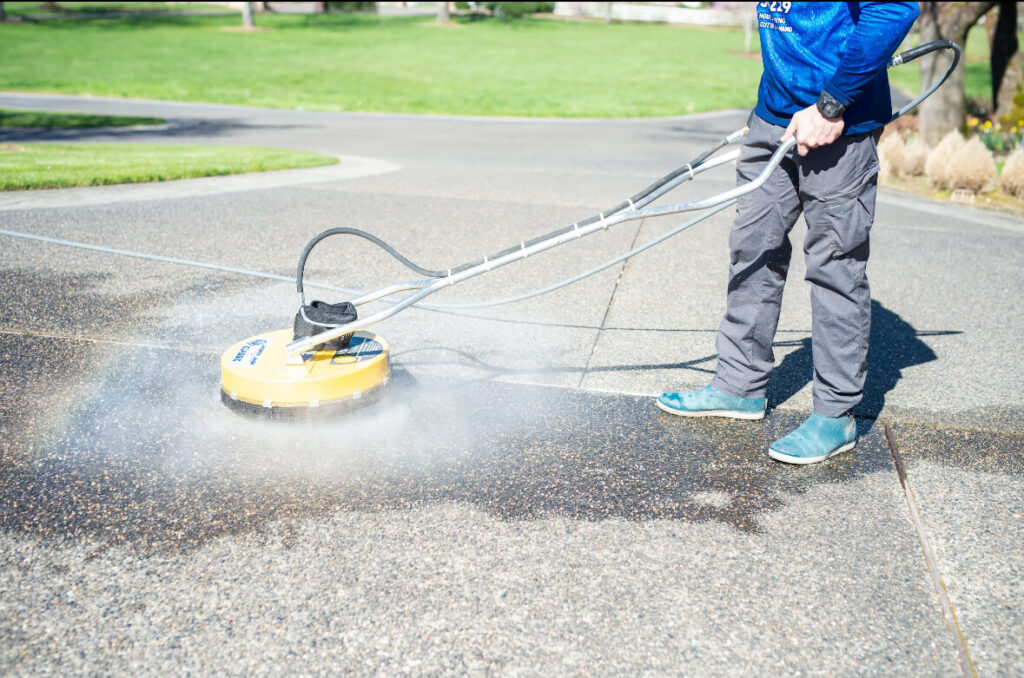
Power washing in oregon on driveway

The Hidden Dangers of Ignoring Stains on Driveways and Walkways

Key Takeaways Many property owners consider stains on their driveways or walkways to be a minor nuisance or simply an aesthetic issue. But what seems harmless can quietly lead to major structural and safety concerns. Oil, rust, algae, and organic buildup can seep into concrete over time, causing surface degradation that weakens the material. Concrete is porous. When substances like motor oil or mold remain unaddressed, they penetrate the surface and create long-term damage. This often leads to cracks, potholes, and uneven areas that are more difficult and costly to repair. In worst-case scenarios, entire sections of your driveway or walkway may require replacement. The Cost of Ignoring Stains Over Time Neglected stains often lead to expensive repairs down the line. Oil-based stains can break down the bonding agents within concrete. Water from seasonal rain or snow can seep into existing damage, freeze, and expand, exacerbating the issue. Financially, what could have been a minor cleaning task becomes a resurfacing project. In commercial properties, this may even mean loss of business if the damage impedes foot traffic or parking access. Cracks and other damage not only affect the visual appeal of the property but also its functionality. Proper stain removal and preventive maintenance protect both the aesthetic and structural aspects of your concrete surfaces. Safety Risks That Come with Stained Walkways Stains, particularly those from algae or oil, often become slippery when wet. This presents an immediate hazard for anyone walking across the surface. A seemingly harmless patch of mold or oil can lead to serious injuries due to falls. In residential settings, this means potential liability if a guest gets injured. In commercial spaces, employees or customers are at risk. Maintaining a clean surface is not only about appearance—it’s about reducing liability and ensuring safety for everyone who steps foot on your property. Additionally, certain stains reduce visibility during low-light hours. For example, dark oil stains on a poorly lit driveway can blend into the surface and become invisible hazards. Impact on Property Value and Curb Appeal A stained or discolored driveway can significantly affect first impressions. Whether you’re a homeowner preparing to sell or a business aiming to attract customers, clean concrete surfaces communicate care and professionalism. Real estate professionals often point out that the exterior of a property sets the tone for what’s inside. Driveways and walkways covered in unsightly stains can lower perceived value and even reduce the actual appraisal value. Routine cleaning and maintenance help preserve the integrity and appearance of your exterior spaces, which in turn helps maintain or improve your property’s market value. Best Practices for Maintaining Clean Driveways and Walkways To effectively manage stains and protect your property, consider the following practices: The Role of Seasonal Maintenance Oregon’s climate demands seasonal attention to exterior surfaces. Moisture from fall and winter months promotes moss and algae growth. Spring brings pollen and mud. Summer can bake in oil stains and other residues. Implement a year-round maintenance routine that includes: Consistent attention keeps stains from becoming deeply rooted and surfaces from becoming hazardous. Why Professional Services Make the Difference While DIY methods may offer temporary results, they often fail to fully eliminate stains or protect against recurrence. Store-bought cleaners and consumer-grade tools rarely provide the deep clean necessary for lasting results. Professional pressure washing companies use commercial-grade equipment and environmentally responsible cleaning solutions. They also bring the expertise to tailor their approach based on the type of stain and material involved. Peak Pressure Washing specializes in stain removal, surface protection, and ongoing maintenance. Our team understands the specific challenges Oregon properties face and delivers solutions designed for long-term impact without damaging your concrete. Don’t Let Stains Undermine Your Property Driveway and walkway stains may seem like a minor issue today, but their impact builds over time. From safety hazards to reduced property value and costly repairs, ignoring these blemishes invites avoidable problems. Maintaining clean, safe, and attractive concrete surfaces is an investment in your property’s future. Partnering with a trusted service provider like Peak Pressure Washing ensures you stay ahead of these challenges. Contact us today to learn how our professional pressure washing services can help protect your driveway, walkway, and your peace of mind.

The Hidden Dangers of Ignoring Stains on Driveways and Walkways Read More »

Top Signs It’s Time to Schedule a Professional Fence Cleaning

Key Takeaways Fences endure constant exposure to outdoor elements, making them prone to dirt, algae, mildew, and general wear over time. Homeowners in Oregon often notice their fences losing color, developing mold, or showing signs of warping after seasons of rain, sun, and wind. When the surface of your fence remains discolored or stained despite regular rinsing, it’s a clear sign it needs deeper, professional care. Common warning signs include: Spotting these signs early can prevent extensive repair or replacement costs down the line. Benefits of Consistent Fence Maintenance Maintaining a clean fence isn’t just about curb appeal—it’s a proactive strategy to protect your property. Here are some important benefits: A well-cared-for fence is not only more functional but also enhances the overall presentation and safety of your outdoor space. Top Signs Your Fence Is Due for Professional Cleaning While a garden hose can rinse off loose dirt, it won’t tackle deeper grime or bio-growth. These indicators suggest it’s time to schedule professional service: Ignoring these signs can lead to faster material degradation and costly replacement needs. Why Choose Professional Over DIY Cleaning While DIY fence cleaning may seem cost-effective, it often falls short in delivering lasting results. Here’s why hiring professionals like Peak Pressure Washing is the smarter choice: Partnering with a skilled provider ensures your fence is cleaned efficiently and safely, with results that last. Maintaining Your Fence Between Cleanings To get the most out of professional cleanings, homeowners should follow simple upkeep tips between service visits: Routine care helps preserve your fence’s condition and reduces the frequency of professional visits needed. Trust Peak Pressure Washing for Long-Lasting Results Maintaining a beautiful, durable fence requires more than occasional rinsing. Peak Pressure Washing offers expert fence cleaning solutions designed to handle Oregon’s challenging outdoor conditions. Our team uses proven soft washing techniques to remove buildup safely and effectively, restoring your fence’s appearance while extending its service life. Let Peak Pressure Washing help protect your investment and keep your property looking its best year-round. When your fence shows signs of wear or no longer enhances your home the way it should, it’s time to act. Schedule your professional fence cleaning today and experience the difference professional care makes.

Top Signs It’s Time to Schedule a Professional Fence Cleaning Read More »