
Top 7 Ways the Role of Humidity Affects Plant and Moss Dynamics
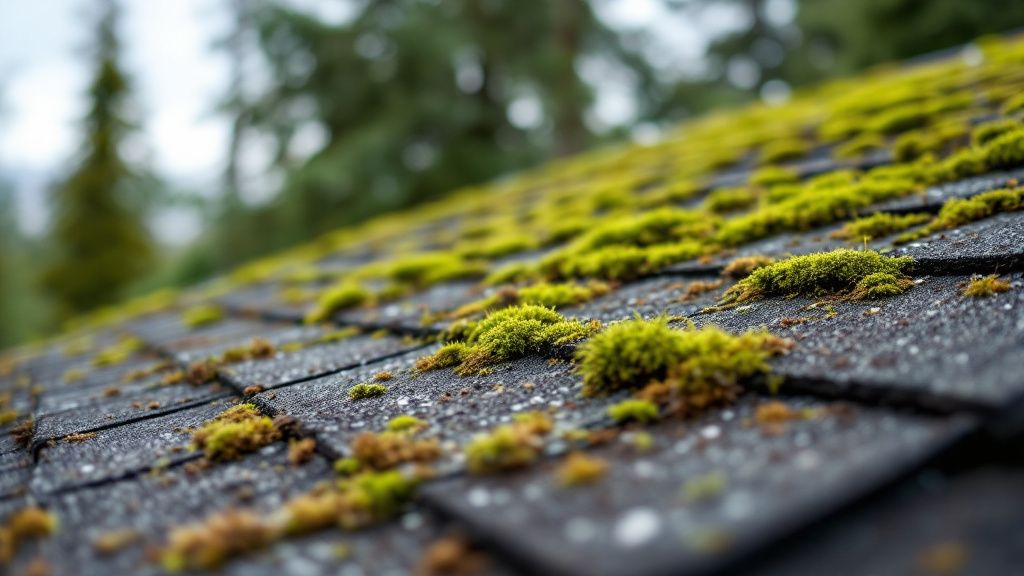
The relationship between humidity and plant dynamics is a topic of increasing interest as environmental conditions fluctuate due to climate change. Understanding the role of humidity in plant and moss dynamics is critical for gardeners, landscapers, and environmentalists. This article explores how moisture levels impact plant growth, moss ecology, and overall plant health while addressing common misconceptions and providing actionable insights. Understanding Humidity and Its Importance Humidity refers to the amount of water vapor present in the air. It significantly influences various environmental factors that affect plant health and moss growth. Different plants and moss species have adapted to specific humidity levels, which dictate their growth patterns, survival strategies, and ecological roles. The Science Behind Humidity Humidity is typically expressed as a percentage, indicating the current moisture level in the air relative to the maximum it can hold at a given temperature. High humidity levels can lead to increased transpiration in plants, affecting their nutrient uptake and overall growth. Conversely, low humidity can stress plants, making them more susceptible to diseases and pests. Humidity Effects on Plant Growth Plants require certain moisture levels for optimal growth. The role of humidity in plant and moss dynamics becomes evident when examining how various species respond to changing moisture conditions. For instance, tropical plants thrive in high humidity, while succulents are adapted to arid environments. How Humid Climates Contribute to Roof Moss Growth In regions with high humidity, mosses often flourish on rooftops, which can lead to various complications for homeowners. The moisture retention on roof surfaces provides an ideal habitat for different moss species. Best practices for roof cleaning can help manage these issues effectively. Understanding Moss Ecology on Roofs Mosses are non-vascular plants that thrive in moist environments. They absorb water directly from the air and can survive in low-nutrient conditions. This adaptability allows them to colonize rooftops, especially those that do not receive adequate sunlight or airflow. Factors Contributing to Moss Growth on Roofs Several environmental factors contribute to the growth of moss on roofs in humid climates: Why Moss on Roofs Should Be Cleaned Regularly Regular cleaning of roofs is essential to prevent moss buildup, which can lead to significant structural damage over time. Understanding the implications of neglecting roof maintenance is crucial for homeowners. Potential Damage Caused by Moss Moss can retain moisture against roof surfaces, which can accelerate wear and tear. Over time, this can lead to: Benefits of Regular Roof Cleaning Maintaining a clean roof not only extends its lifespan but also enhances the overall appearance of a property. Regular cleaning can: Signs of Moss Damage on Different Roof Types Different roof materials can exhibit varying signs of moss damage. Recognizing these signs is vital for timely intervention and maintenance. Asphalt Shingles Asphalt shingles can become warped or dislodged due to moss growth. Homeowners should look for: Wood Shingles Wooden roofs are particularly vulnerable to moss damage due to their organic composition. Signs include: Metal Roofs While metal roofs are less prone to moss growth, they can still be affected. Signs to watch for include: Best Time to Remove Moss Based on Weather Conditions Timing is crucial when it comes to effective moss removal. Understanding the best weather conditions for cleaning can enhance the effectiveness of the process. Optimal Weather Conditions for Moss Removal The ideal conditions for removing moss are: Seasonal Considerations Different seasons offer unique opportunities for moss removal: How Professional Roof Cleaning Addresses Moss Issues Engaging professional roof cleaning services can yield significant benefits, ensuring that moss issues are handled effectively and safely. Advantages of Professional Services Professional roof cleaners have the expertise and equipment necessary for thorough moss removal. Key benefits include: DIY vs. Professional Cleaning While some homeowners may consider DIY cleaning, the risks associated with inadequate techniques can lead to more significant problems. Weighing the pros and cons is crucial: Conclusion The role of humidity in plant and moss dynamics is pivotal, influencing not just plant growth and health but also the maintenance of structures like roofs. Understanding how humidity affects moss growth and recognizing the signs of damage can help homeowners make informed decisions about roof maintenance. Regular cleaning, especially in humid climates, is essential to prevent structural damage and preserve aesthetic appeal. By considering professional cleaning services, homeowners can ensure that their roofs remain in optimal condition while minimizing risks associated with moss buildup.
Top 7 Ways the Role of Humidity Affects Plant and Moss Dynamics Read More »