How Vegetation Impacts Roof Health in Oregon (and What to Do About It)
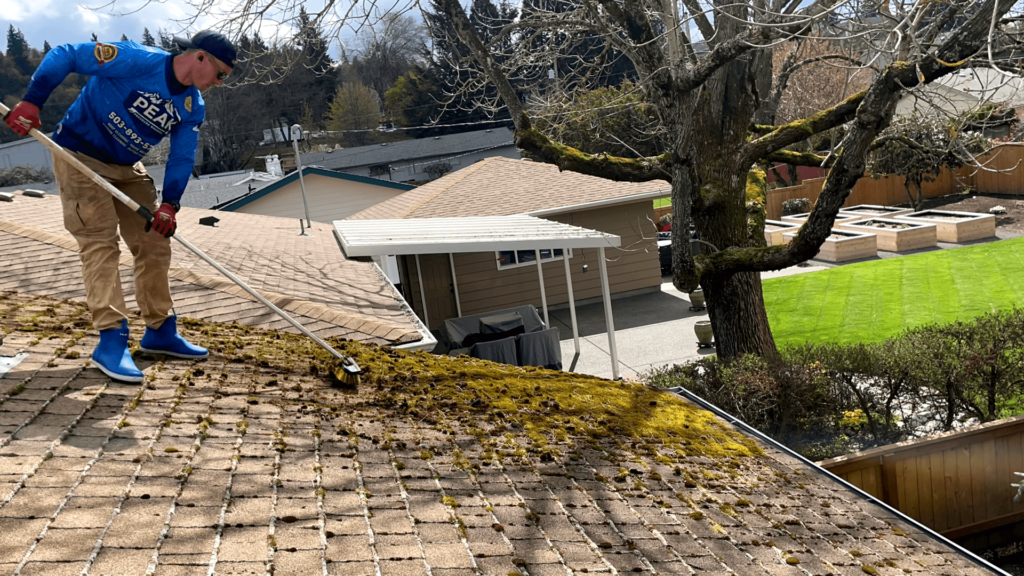
Key Takeaways Your roof is constantly exposed to the elements—but in Oregon, it’s the growth you don’t see right away that does the most damage. Moss, algae, and lichen might seem like minor annoyances, but left untreated, they can lead to leaks, rot, and expensive repairs. Understanding how vegetation affects your roof—and what you can do about it—can save you thousands in the long run. This guide explains how Oregon’s climate fuels rooftop growth and why proactive maintenance, including soft washing, is essential for preserving your home. Why Vegetation is a Hidden Threat to Roofs At first glance, moss or algae on your roof might seem harmless—or even a bit charming. But the truth is, vegetation growth poses a serious threat to roof health, especially in damp environments like Oregon. Moss, algae, and lichen trap moisture against your shingles or roofing material, which weakens the surface over time. That moisture can seep into underlying structures, leading to rot, mold, and premature roof failure. Even more invasive are plant roots that take hold in cracks or seams. Left untreated, they can compromise structural integrity and shorten the lifespan of your roof. Why Oregon Homes Are More at Risk The Pacific Northwest’s temperate rainforest conditions are a perfect breeding ground for roof-damaging vegetation. In areas like Portland, Eugene, and Milwaukie, homeowners face: This makes proactive roof maintenance especially important for Oregon homeowners. Green Roofs vs. Traditional Roofs There’s a difference between purposeful vegetation and unwanted plant growth. Green roofs (vegetated roofing systems) are intentionally designed with waterproof membranes, root barriers, and specialized drainage systems. When maintained correctly, they provide environmental benefits like temperature control and stormwater management. However, traditional shingle or tile roofs are not built to support plant life. Unintentional vegetation on these surfaces is a warning sign—not a feature. It’s important not to confuse eco-trends with organic overgrowth. If you’re seeing green on your roof and it wasn’t designed to be there, it’s time to act. What Happens If You Ignore Moss and Algae Unchecked roof vegetation leads to a chain reaction of damage: Over time, small patches of moss can evolve into serious issues requiring costly repairs or even early roof replacement. The Role of Soft Washing in Roof Maintenance Soft washing is a low-pressure cleaning method that removes organic buildup without damaging delicate roofing materials. It’s ideal for residential roofs in Oregon that are vulnerable to moss, algae, and debris. Benefits of Soft Washing: Peak Pressure Washing specializes in soft washing solutions that are tough on growth but gentle on your home. It’s an essential part of preventative roof care, especially in a damp climate. Proactive Strategies to Minimize Vegetation Buildup You can reduce the risk of vegetation growth with a few preventive steps: While these habits help, professional maintenance is still key to keeping your roof clean and resilient. Why Professional Cleaning Beats DIY Cleaning a roof isn’t as simple—or as safe—as it might seem. DIY methods often fall short or end up damaging the very surfaces you’re trying to preserve. Why Professionals Make a Difference: Professionals like Peak Pressure Washing bring experience, equipment, and eco-conscious solutions to each job—saving you time and preventing mistakes that can be costly in the long run. Frequently Asked Questions Is moss on my roof really a problem?Yes. Moss traps moisture and slowly deteriorates roofing materials, leading to rot and structural damage. Can I pressure wash my roof myself?High-pressure methods can damage shingles and void warranties. Soft washing by professionals is safer and more effective. How often should I clean my roof?At least once a year, or more frequently if your home is surrounded by trees or you live in a damp climate like Oregon’s. What’s the best time of year for roof cleaning in Oregon?Spring and fall are ideal, as they follow the wettest seasons and prepare your roof for winter and summer extremes. Is roof cleaning environmentally safe?Yes, when done with biodegradable solutions and controlled runoff practices like those used by Peak Pressure Washing. Protecting your roof from unwanted vegetation isn’t just about keeping it clean—it’s about preserving the integrity of your home. Soft washing is a proven way to remove harmful growths and restore your roof’s function and appearance. Peak Pressure Washing helps Oregon homeowners defend their roofs against moss, algae, and debris with safe, effective cleaning tailored to the region’s unique climate challenges.
How Vegetation Impacts Roof Health in Oregon (and What to Do About It) Read More »